AVI Career Training

Laser Technician Training in Northern Virginia

Share:

Laser Technician Training in Northern Virginia

AVI Career Training in Vienna, VA offers one of the most comprehensive cosmetic laser technician certification programs in the Northern Virginia and DC metro area — combining hands-on equipment training, clinical safety protocols, and inclusive Fitzpatrick skin type education to prepare you for a high-demand medspa career.

If you’re exploring laser technician training in Northern Virginia, you’ve picked one of the smartest career moves in the beauty and wellness industry right now. Medspas are opening across Fairfax County, Arlington, McLean, and the broader DC metro at a pace that consistently outstrips the supply of qualified laser professionals. Trained, certified laser technicians are in demand — and the earning potential reflects it.

This guide walks you through exactly what the role involves, what Virginia requires for licensure, what AVI’s program looks like from day one, and how much you can realistically earn in this market. By the end, you’ll have everything you need to decide if this is the right path for you — and how to get started.

Apply to AVI’s Cosmetic Laser Technology Program today →


Key Takeaways

  • Laser technicians in Virginia earn between $45,000 and $65,000 per year, with Northern Virginia and DC metro rates trending toward the higher end of that range.
  • The medical spa industry is projected to grow at approximately 14% CAGR through 2030, making laser technology one of the most future-proof specialties in beauty and wellness.
  • Virginia requires laser practitioners to operate under physician supervision or a formal delegation protocol — AVI’s curriculum is built around this regulatory model.
  • The Fitzpatrick Skin Type Scale (Types I–VI) is the clinical safety framework for laser treatments — undertrained technicians working on darker skin tones risk serious client harm.
  • AVI Career Training is COE Accredited and SCHEV Certified, making students eligible for federal financial aid and GI Bill® benefits.

What Does a Laser Technician Do?

A laser technician — sometimes called a cosmetic laser technician or laser esthetician — operates medical-grade and cosmetic laser and light-based devices to perform a range of skin and hair treatments. This is not a general cosmetology role. It sits at the intersection of esthetics and clinical medicine, which is exactly why it commands higher pay and requires specialized training.

The core services a laser technician performs include:

  • Laser hair removal — the most commonly requested service in medspas and laser studios
  • Intense Pulsed Light (IPL) treatments — used for pigmentation correction, sun damage, and rosacea
  • Photofacials — broad-spectrum light therapy for skin rejuvenation and tone evening
  • Laser skin resurfacing — targeting fine lines, acne scars, and uneven texture
  • Tattoo removal — using Q-switched or picosecond lasers to break down ink particles
  • Vascular treatments — reducing the appearance of spider veins and broken capillaries

Each of these services requires precise knowledge of how different wavelengths interact with different tissue targets — which is why understanding skin anatomy, laser physics, and the Fitzpatrick Skin Type Scale isn’t optional background knowledge. It’s the foundation of safe, effective practice.

The Medspa Setting

Most laser technicians in Northern Virginia work in medical spa settings, dermatology offices, plastic surgery clinics, or laser-specific studios. These environments are physician-supervised, which aligns with Virginia’s regulatory model. You’re not working independently — you’re part of a clinical team, which means professional credibility and career stability matter from day one.


Virginia Licensing Requirements for Laser Technicians

Understanding how Virginia regulates laser operation is essential before you enroll anywhere. The rules are specific, and choosing a program that doesn’t align with them would be a costly mistake.

In Virginia, the operation of laser and light-based devices for cosmetic purposes falls under the oversight of the Virginia Department of Professional and Occupational Regulation (DPOR). Specifically, the Virginia Board for Barbers and Cosmetology regulates estheticians who perform laser services, and the Virginia Department of Health (VDH) has jurisdiction over radiation-emitting devices — which includes many cosmetic laser systems.

Here’s what Virginia’s framework requires in practice:

Physician Supervision and Delegation Protocols

Virginia follows a delegating physician model for most laser and light-based treatments. This means a licensed physician must supervise the practice — either through direct oversight or a formal written delegation agreement — before a laser technician can legally perform these services. This is the standard operating model in virtually every medspa in the Northern Virginia market.

This is not a loophole or a technicality. It’s the professional and legal framework you’ll operate within throughout your career. AVI’s program prepares you to work within this model — not around it.

Esthetics Licensing as the Foundation

In Virginia, most laser practitioners enter the field as licensed estheticians. Completing a state-approved esthetics program satisfies the foundational licensing requirement. Cosmetic laser technology is then added as a specialty credential on top of that foundation.

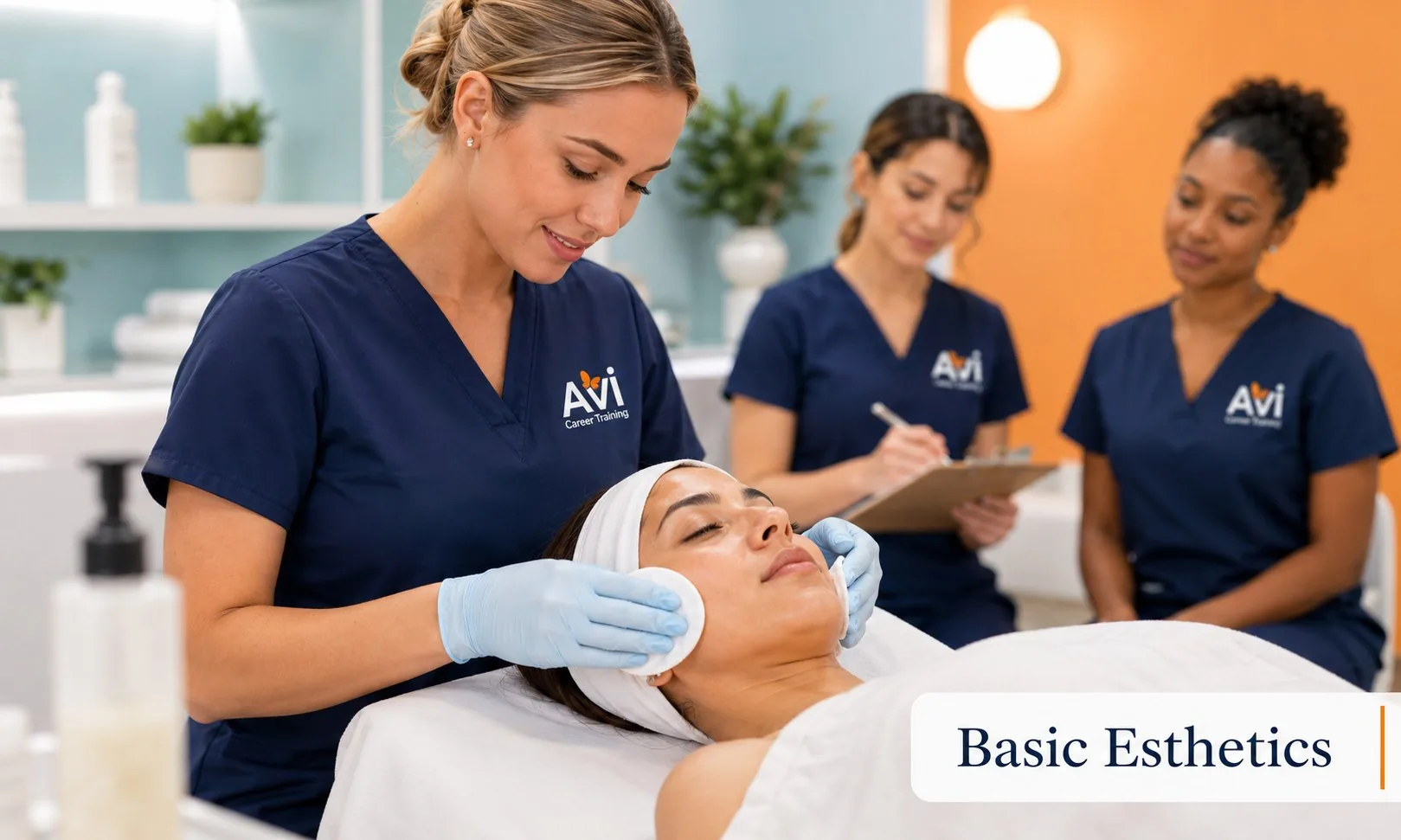
AVI offers both a Basic Esthetics program and the Cosmetic Laser Technology program — giving students a clear, structured path from foundational licensure to laser specialization without having to piece together credentials from multiple schools.

Program Completion Requirements

To sit for the Virginia State Board examination and move toward laser practice, students must complete a DPOR-aligned, accredited training program. AVI’s COE Accreditation and SCHEV Certification mean the program meets these standards — and that students are eligible for federal financial aid in the process.


What to Expect from AVI’s Cosmetic Laser Technology Program

AVI Career Training’s Cosmetic Laser Technology program is built for students who want to enter the medspa industry with real clinical skills — not just a certificate that looks good on paper. Here’s what the curriculum actually covers.

Laser Physics and Equipment

You’ll start with the science. That means understanding how laser energy is produced, how different wavelengths target different chromophores (the tissue components that absorb light — melanin, hemoglobin, water), and how to operate the specific types of equipment you’ll encounter in a professional medspa setting. This isn’t abstract physics — it’s the clinical knowledge that determines whether a treatment is safe and effective.

Skin Anatomy and the Fitzpatrick Scale

This is where AVI’s training stands apart from programs that treat skin as a uniform surface.

The Fitzpatrick Skin Type Scale (Types I–VI) is the clinical framework laser practitioners use to assess a client’s risk profile before any treatment. It classifies skin based on its response to UV exposure — from Type I (very fair, always burns) through Type VI (deeply pigmented, never burns). The scale is not just a categorization tool. It directly determines the appropriate laser wavelength, fluence, and pulse duration for each client.

Why does this matter? Because undertrained technicians working on skin Types IV, V, and VI — clients with medium to deep skin tones — risk serious complications including hyperpigmentation, hypopigmentation, burns, and permanent scarring. These injuries are not rare in the industry. They happen when technicians don’t have adequate training on diverse skin types.

AVI explicitly trains students to work on all Fitzpatrick skin types. That’s both a safety imperative and an ethical commitment. In a market as diverse as Northern Virginia and the DC metro area, this training isn’t optional — it’s essential.

Safety Protocols and Clinical Practice

Laser safety training covers eye protection (both client and operator), proper treatment room setup, contraindication screening, and documentation standards. You’ll learn how to conduct thorough client consultations, identify when a treatment is or isn’t appropriate, and manage adverse reactions if they occur.

Hands-On Training Hours

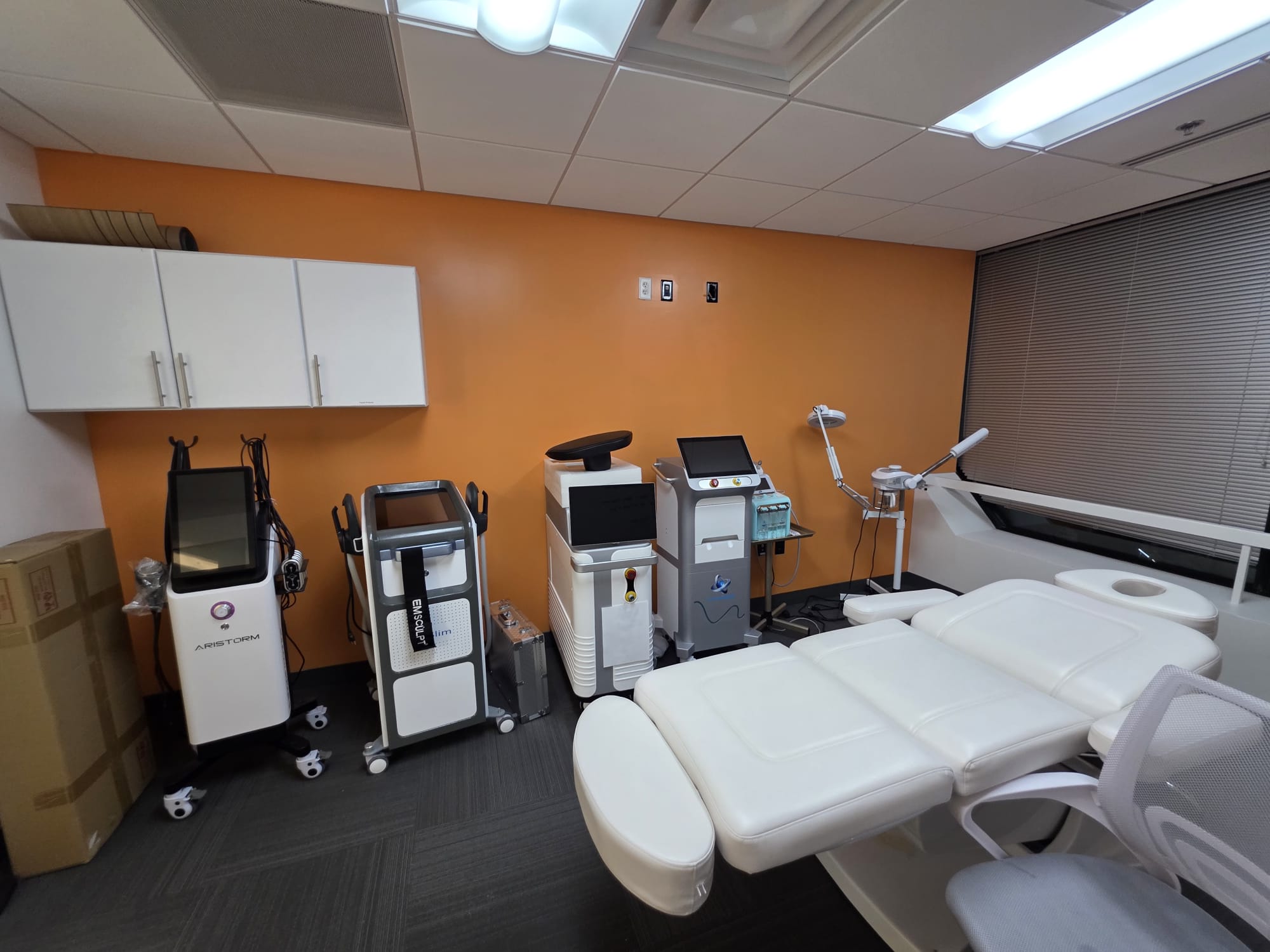
AVI’s program delivers hands-on clinical training on real equipment — not just demonstrations. You’ll practice on actual clients under instructor supervision, building the muscle memory and clinical judgment that comes only from doing the work. Confirm the specific clock hours for AVI’s Cosmetic Laser Technology program with admissions at (703) 943-9841.

Who the Program Is For

You don’t need prior esthetics experience to begin exploring this program, but understanding the licensing pathway matters. Reach out to AVI’s admissions team to discuss where you are in your licensing journey and what sequence makes the most sense for your goals.


Student Spotlight: From Career Change to Medspa Technician

Consider someone like Maya — a former dental hygienist in her mid-30s living in Reston, Virginia. She’d spent years doing clinical work she was good at but had stopped finding meaningful. She kept coming back to aesthetics, specifically laser treatments she’d had done herself at a medspa in Tysons Corner. She wanted to be on the other side of that treatment table.

Maya enrolled in AVI’s Cosmetic Laser Technology program while still working part-time. The structured, focused curriculum meant she wasn’t wading through courses irrelevant to her goal. Within months of completing her program and meeting Virginia’s licensing requirements, she was working at a medspa in McLean — earning more per hour than she had as a hygienist and finally building a career she looked forward to every day.

Her background in healthcare translated directly. The clinical precision, the client consultation skills, the comfort in a regulated environment — it all carried over. What she needed was the laser-specific training and credentials. AVI gave her exactly that.


Laser Technician Salary and Career Outlook in Virginia

The financial case for laser technician training in Northern Virginia is strong — and it’s backed by verifiable data.

What Laser Technicians Earn in Virginia

According to current market data, laser technicians in Virginia earn between $45,000 and $65,000 per year. In the Northern Virginia and DC metro market specifically, compensation trends toward the upper end of that range and beyond, particularly for technicians with specialized skills, strong client retention, and experience with advanced laser systems.

Many medspa employers in the region also offer commission structures on top of base pay — meaning your income can scale significantly as your client book grows.

The U.S. Bureau of Labor Statistics tracks skincare specialists, the category that most closely encompasses laser technicians, with median annual wages that have grown steadily alongside the medspa industry’s expansion. Northern Virginia’s cost of living premium is reflected in regional compensation packages that routinely outperform national averages.

Industry Growth That Backs the Numbers

The medical spa industry is projected to grow at approximately 14% CAGR through 2030, according to market research from Grand View Research and the International Spa Association. That growth rate is not speculation — it’s the result of documented consumer demand for non-surgical cosmetic procedures, an aging population investing in appearance, and the continued democratization of treatments that were once accessible only to high-income clients.

Northern Virginia and the DC metro area represent one of the densest concentrations of medspas on the East Coast. Tysons Corner, Arlington, Bethesda, and Alexandria all have multiple competing medspa operators — and they are all hiring.

Where Laser Technicians Work

  • Medical spas and aesthetic clinics
  • Dermatology practices
  • Plastic surgery offices
  • Laser-specific studios (hair removal and tattoo removal specialists)
  • Luxury hotel and resort spas with advanced treatment menus

Each of these settings offers different compensation structures, scheduling flexibility, and career development opportunities. Many laser technicians in the DC metro area build loyal client bases that support independent contracting arrangements as they advance in their careers.


Student Spotlight: Building a Specialty from Scratch

Consider DeShawn — a recent graduate in his late 20s who came to AVI with zero beauty industry background. He’d been working retail management and was done with it. He researched medspa career paths online, came across the earning potential for laser technicians in Northern Virginia, and wanted to know if it was real.

He scheduled a call with AVI’s admissions team, asked direct questions about the program and the Virginia licensing pathway, and enrolled. The Fitzpatrick skin type training specifically stayed with him — as someone with a Type V skin tone himself, he’d personally experienced the anxiety of sitting in a treatment chair with a technician who seemed unsure. He finished his program understanding exactly why that training matters, both clinically and personally.

DeShawn now works at a dermatology-affiliated medspa in Fairfax. He credits the hands-on training hours and the inclusive curriculum for giving him the confidence to walk into his first day of work ready to perform.


How to Enroll in AVI’s Laser Technician Program in Vienna, VA

Getting started is straightforward. Here’s what the process looks like.

Who Can Apply

AVI welcomes applicants from a range of backgrounds — career changers, recent graduates, licensed estheticians looking to add a high-value specialty, and working professionals looking to transition into the medspa industry. You don’t need prior experience in beauty or healthcare to inquire, but you should be ready to discuss where you are in the licensing process.

The Enrollment Process

  1. Submit your application — Start your application online at AVI’s application portal. It takes minutes to get started.
  2. Connect with admissions — An AVI admissions representative will contact you to discuss program details, sequencing (if you need to complete esthetics licensing first), and your personal timeline.
  3. Explore financial aid options — AVI is COE Accredited, which means eligible students can access federal financial aid, including Pell Grants. AVI also accepts the GI Bill® — making this program accessible to veterans and active-duty service members. Speak with the financial aid team during your admissions conversation.
  4. Confirm your start date — AVI will walk you through enrollment paperwork, scheduling, and what to bring on your first day.

Financial Aid Options

  • Federal Financial Aid (for eligible students) — COE Accreditation qualifies AVI for federal Title IV funding
  • GI Bill® — AVI accepts the Post-9/11 GI Bill® and other VA education benefits (GI Bill® is a registered trademark of the U.S. Department of Veterans Affairs — no endorsement implied)
  • Payment plans — Ask your admissions representative about flexible payment options

Visit AVI in Vienna, VA

AVI Career Training is located at 1595 Spring Hill Rd #720, Vienna, VA 22182 — easily accessible from Tysons Corner, Reston, McLean, Fairfax, and across Northern Virginia.

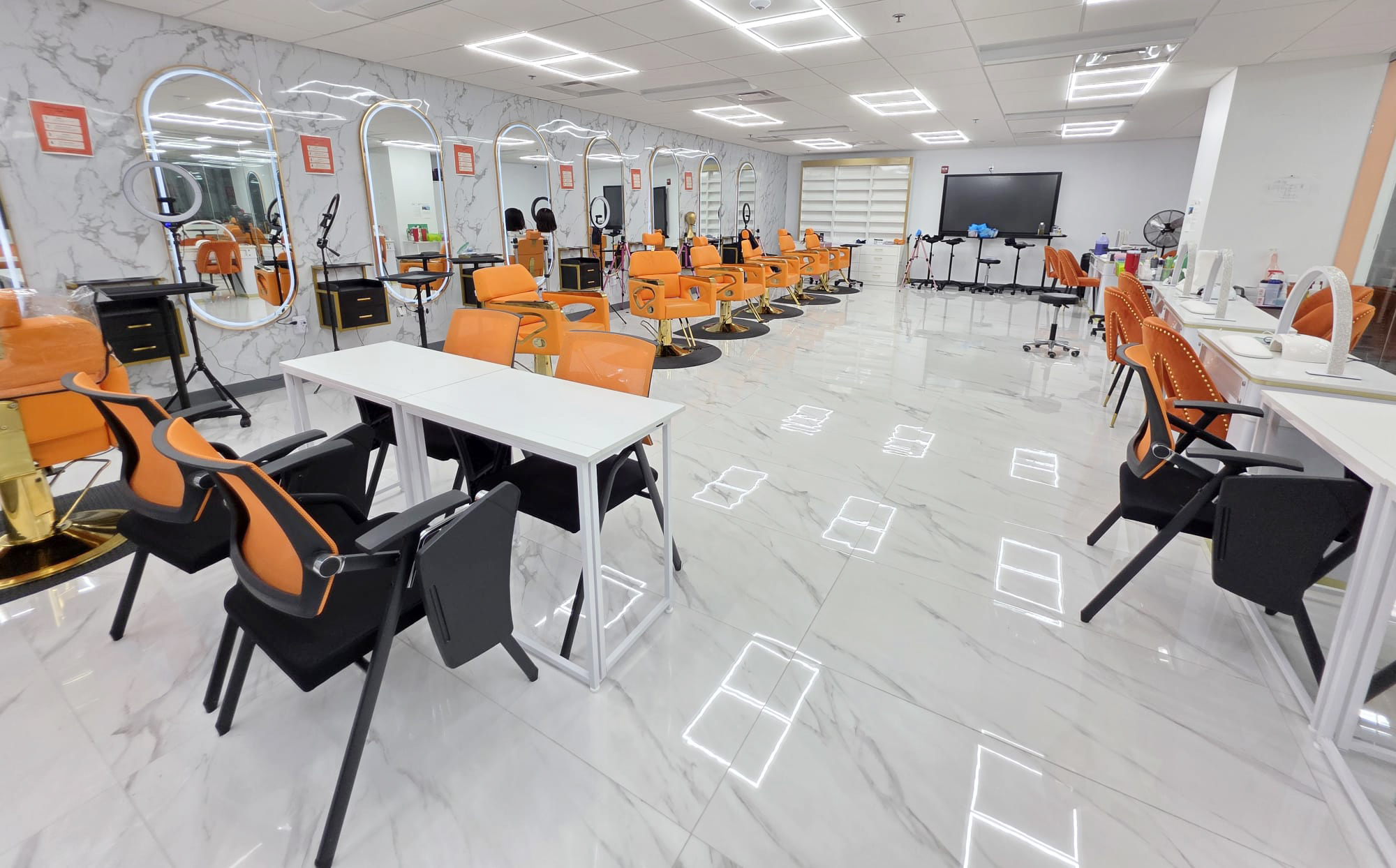
Call (703) 943-9841 to speak with an admissions representative directly. You can also schedule a campus visit to see the training environment and meet the instructors in person.


Ready to Start Your Laser Technician Career?

The Northern Virginia medspa market is growing. The demand for trained, certified laser technicians is real. And the path from enrollment to a working career in cosmetic laser technology is shorter than most people expect.

AVI Career Training gives you the hands-on skills, the Virginia-aligned credentials, and the inclusive training foundation to walk into a medspa job with confidence — on every client, every skin type, every treatment.

Apply to AVI’s Cosmetic Laser Technology Program today →

Or call (703) 943-9841 to speak with an admissions representative now.


Frequently Asked Questions

What Education Do You Need to Become a Laser Technician in Virginia?

In Virginia, the most common pathway is completing a state-approved esthetics program to obtain your esthetics license, then completing a specialized cosmetic laser technology program. Virginia’s regulatory framework requires laser practitioners to operate under physician supervision or a formal delegation protocol. AVI offers both the esthetics foundation and the laser specialization — speak with admissions to map your specific pathway.

How Long Does Laser Technician Training Take?

Program length varies depending on whether you’re starting from scratch or adding laser specialization to an existing esthetics license. AVI’s Cosmetic Laser Technology program is a focused certificate program designed to get you trained and credentialed efficiently. Contact AVI admissions for current program duration and start dates.

How Much Does a Laser Technician Make in Virginia?

Laser technicians in Virginia earn between $45,000 and $65,000 per year on average. In the Northern Virginia and DC metro area, compensation often exceeds that range — especially for technicians with strong client retention, advanced equipment experience, or commission-based pay structures at high-volume medspas.

Do You Need a License to Operate Laser Equipment in Virginia?

Yes. Virginia requires laser operators to be properly trained and to work under physician supervision or an established delegation protocol. The Virginia Department of Professional and Occupational Regulation (DPOR) oversees licensing for practitioners in this space. Completing an accredited, DPOR-aligned program like AVI’s is the foundation of that credential pathway.

What Is the Difference Between a Laser Technician and an Esthetician?

A licensed esthetician provides skin care services including facials, chemical exfoliation, waxing, and basic skin analysis. A laser technician — sometimes called a laser esthetician — operates laser and light-based devices for more clinical treatments like laser hair removal, IPL photofacials, and skin resurfacing. Laser technology is a specialty that typically requires additional training beyond a standard esthetics license, more rigorous safety protocols, and physician-supervised practice under Virginia’s regulatory model. Many laser technicians are licensed estheticians who have added laser specialization to their credentials — which is exactly the pathway AVI supports.

Article details:

Share: