How to Become a Laser Technician in Virginia
To become a laser technician in Virginia, you need an esthetics license — then a specialized cosmetic laser technology program that qualifies you to operate light-based devices in clinical and medical spa settings.
It’s a two-step path, but it’s faster than most people expect. And in Northern Virginia’s booming medical aesthetics market, the career payoff is real.
This guide walks you through every step: Virginia’s licensing requirements, what quality laser training actually looks like, what you can expect to earn, and how AVI Career Training’s Cosmetic Laser Technology Program prepares you to work in one of the most in-demand specialties in the beauty and wellness industry.
Apply to AVI Career Training today and take the first step toward your laser technician career.
Key Takeaways
- Virginia requires an esthetics license (600 hours) as a foundation before working with laser and light-based devices in most clinical settings
- Laser and light-based device use in Virginia is overseen by the Virginia Department of Professional and Occupational Regulation (VDPOR)
- Northern Virginia and the DC metro area have among the highest concentrations of medical spas in the Mid-Atlantic — demand for skilled laser technicians is strong
- Laser technicians in Virginia can earn between $45,000 and $75,000+ annually, with higher earnings in medical spa environments and with specialized certifications
- AVI Career Training offers a hands-on Cosmetic Laser Technology Program in Vienna, VA — with inclusive training across all Fitzpatrick skin types
What Does a Laser Technician Do?
A laser technician — sometimes called a laser esthetician or cosmetic laser specialist — uses laser and light-based devices to perform non-invasive aesthetic treatments on clients.
This is a clinical specialty, not a general esthetics role. The skills required go beyond facials and waxing. Laser technicians must understand how different wavelengths of light interact with skin and tissue, how to calibrate equipment settings, and how to assess client safety before every treatment.
Common Treatments Performed by Laser Technicians
- Laser hair removal — permanent hair reduction using targeted light energy to disable hair follicles
- Skin rejuvenation — reducing fine lines, sun damage, and uneven texture using laser resurfacing or intense pulsed light (IPL)
- Photofacials — IPL treatments that address pigmentation, redness, and rosacea
- Tattoo removal — using Q-switched lasers to break down ink particles beneath the skin
- Vascular treatments — targeting spider veins and broken capillaries with laser energy
- Acne and scar reduction — using fractional lasers to stimulate collagen and resurface damaged skin
Each of these treatments requires precise technical knowledge. The wrong device settings — especially on clients with deeper skin tones — can cause burns, hyperpigmentation, or scarring. This is why training quality matters enormously in this field.
Laser technicians typically work in medical spas (medspas), dermatology practices, plastic surgery centers, and high-end day spas with laser suites. In Northern Virginia and the DC metro area, medspas are among the fastest-growing segments of the beauty and wellness industry — creating consistent demand for trained, credentialed laser professionals.
Virginia Licensing Requirements for Laser Technicians
Virginia’s regulatory framework for laser technicians involves two key bodies: the Virginia Department of Professional and Occupational Regulation (VDPOR) and, in many medical settings, oversight by a licensed physician or medical director.
Here’s what you need to know before you enroll in any program.
Step 1: Earn Your Virginia Esthetics License
In Virginia, working with laser and light-based devices in most clinical and spa settings requires a foundational esthetics license. The Virginia State Board of Cosmetology requires 600 hours of esthetics training to sit for the licensing exam.
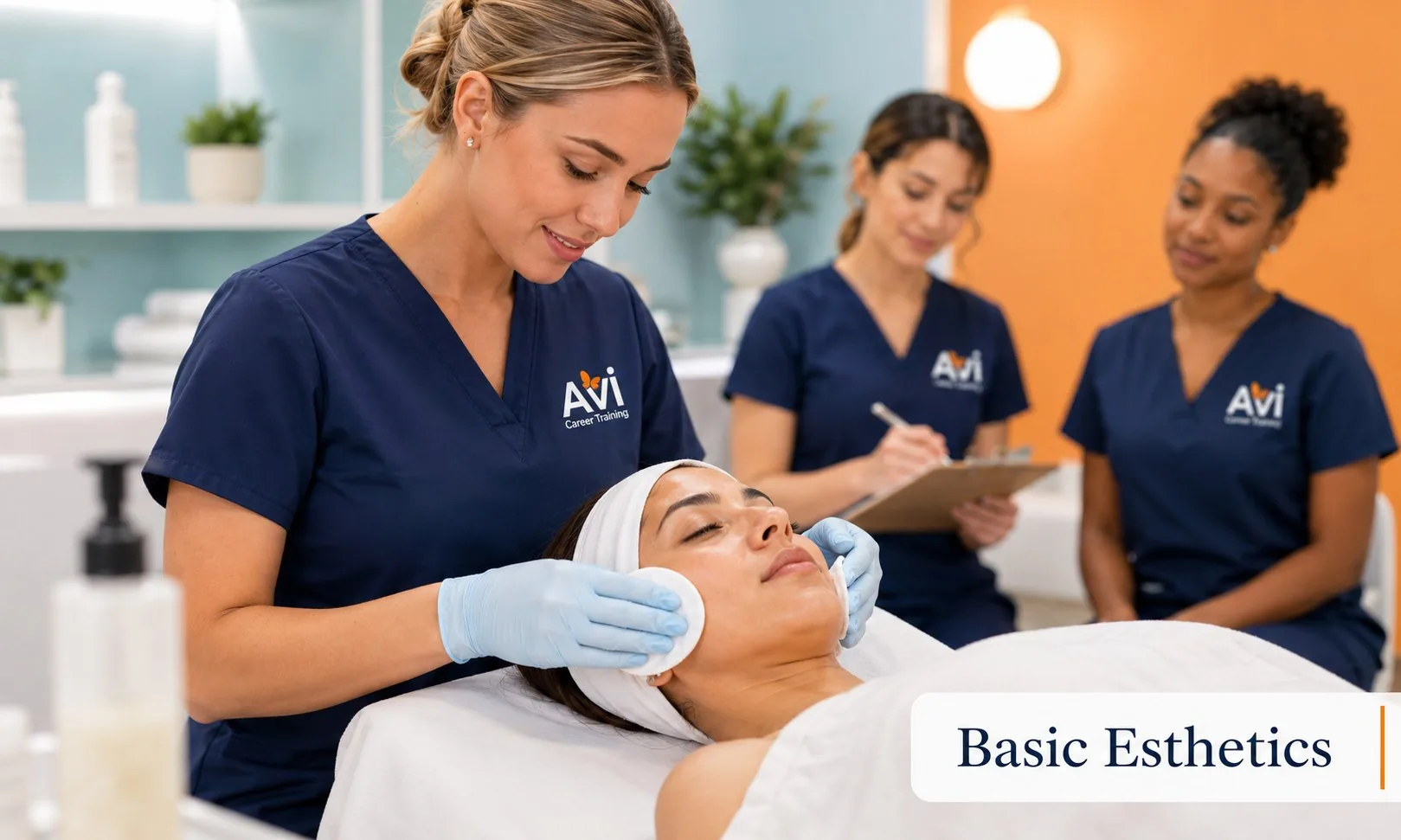
Those 600 hours must be completed at a VDPOR-approved school. At AVI Career Training, the Basic Esthetics program covers skincare science, client consultation, chemical exfoliation, advanced facial techniques, and the foundational knowledge you’ll build on in laser training.
Step 2: Complete Laser-Specific Training
Once you hold your esthetics license, you can enroll in a specialized cosmetic laser technology program. Virginia law requires that individuals operating laser and light-based devices complete appropriate training — including laser safety education that covers topics such as:
- Proper use of laser safety equipment (protective eyewear, barriers)
- Understanding of tissue interaction and laser physics
- Emergency procedures and contraindications
- Fitzpatrick skin typing and client assessment
⚠️ Note: Virginia’s specific hour requirements for laser training are regulated by VDPOR and can be updated. Always verify current requirements directly at VDPOR’s official website before making enrollment decisions.
Step 3: Understand Medical Supervision Requirements
In Virginia, more advanced laser procedures — particularly those involving higher-powered devices — may require physician oversight or a medical director on staff. The specific requirements depend on the device class and the treatment being performed.
This is why working in a well-run medspa (rather than a standalone spa) often means operating under a clear clinical supervision structure. Quality laser training programs prepare you for this reality — not just the technical side, but the professional environment you’ll enter.
What Is a Laser Safety Officer?
In many clinical settings, one staff member is designated as the Laser Safety Officer (LSO). This person is responsible for ensuring that all laser operations within the facility meet safety standards. Some laser technicians take on this role in addition to performing treatments. If you plan to work in a medical spa or clinic, understanding LSO responsibilities gives you a career advantage.
What to Look for in a Laser Technician Training Program
Not all laser training programs are equal. A weekend certification course and a structured, accredited cosmetic laser technology program are very different things — and the difference will show when you’re working with real clients.
Here’s what separates quality programs from programs that leave you underprepared.
Hands-On Equipment Time
Reading about laser physics is not the same as operating a device. The best programs give students significant hands-on time with the actual equipment used in clinical settings — not just demonstrations. Ask any school you’re considering: how many hours will you spend operating laser devices on actual clients or models?
Training Across All Fitzpatrick Skin Types
This is one of the most important — and most overlooked — aspects of laser technician training.
The Fitzpatrick Scale classifies skin into six types based on melanin content and response to UV light. Laser settings that work safely on a Type I or II skin tone can cause serious injury on a Type V or VI. Hyperpigmentation, burns, and scarring are real risks when technicians aren’t properly trained to adjust protocols for darker skin tones.
Many training programs default to lighter skin tone models. This leaves graduates underprepared — and creates real safety risks for clients with deeper complexions.
AVI Career Training’s curriculum explicitly trains students to work across all Fitzpatrick skin types. In a diverse region like Northern Virginia and the DC metro area, this isn’t just good ethics — it’s essential clinical preparation.
Accreditation and Credential Recognition
Your training program should be accredited by a recognized body and approved by VDPOR. AVI Career Training is COE Accredited and SCHEV Certified — credentials that ensure our programs meet rigorous academic and professional standards.
These accreditations also matter for financial aid. Students at accredited schools can access federal financial aid, including Pell Grants, and AVI accepts the GI Bill® for eligible veterans.
Instructor Credentials
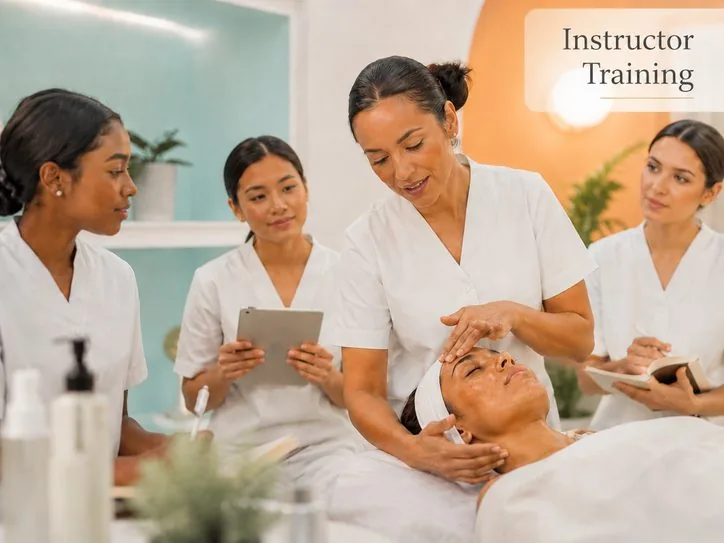
Your instructors should be licensed industry professionals with real clinical experience — not just classroom educators. When you learn from someone who has performed hundreds of laser treatments, the knowledge is practical, not theoretical.
Preparation for Real Clinical Environments
A good program doesn’t just teach you to pass a test. It prepares you for the actual environment you’ll work in — client consultations, safety protocols, equipment calibration, documentation, and how to handle contraindications. Ask schools whether their curriculum includes clinical simulation or hands-on client work.
If you’re comparing programs, learn more about AVI Career Training’s approach to hands-on career education — including what sets our curriculum apart from generic training options.
Laser Technician Salary and Career Outlook in Virginia
Let’s talk about what this career path actually pays — because the earning potential is one of the strongest arguments for specializing in laser technology.
What Laser Technicians Earn in Virginia
The U.S. Bureau of Labor Statistics (BLS) classifies laser technicians under Skincare Specialists (SOC 39-5094). According to BLS occupational data, skincare specialists in Virginia earn a median annual wage that regularly outpaces the national median — and the Northern Virginia / DC metro market commands a premium over the state average.
In the Northern Virginia and DC metro area, laser technicians working in medical spa settings typically earn between $45,000 and $75,000+ per year, depending on experience, specialization, and setting. Technicians with multiple device certifications and experience across a range of treatments tend to sit at the higher end of that range.
Factors That Increase Your Earning Power
- Medical spa vs. day spa setting: Medspas generally pay more than standalone spas because treatments are more advanced and client spend is higher
- Device specialization: Technicians certified on multiple laser systems (hair removal, tattoo removal, resurfacing) command higher salaries
- Commission and gratuity: Many Northern Virginia medspas offer commission structures on top of base pay — significantly boosting take-home earnings
- Location within the metro area: Areas like McLean, Tysons, Reston, and Bethesda have high concentrations of high-income clientele, which supports premium pricing and better compensation
- Years of experience: As with most clinical specialties, earnings increase meaningfully with demonstrated skill and a loyal client base
Career Outlook: Why Northern Virginia Is a Strong Market
Northern Virginia and the DC metro area have one of the highest concentrations of medical spas per capita in the Mid-Atlantic region. The area’s high household incomes, dense professional population, and strong demand for non-invasive aesthetic treatments create a consistently strong market for skilled laser technicians.
The global cosmetic laser market continues to grow — driven by rising consumer interest in non-surgical procedures, advances in device technology, and growing demand for treatments that work across diverse skin tones. In a region as diverse as Northern Virginia, technicians trained to serve all clients safely and effectively have a meaningful competitive advantage.
AVI Career Training’s Cosmetic Laser Technology Program
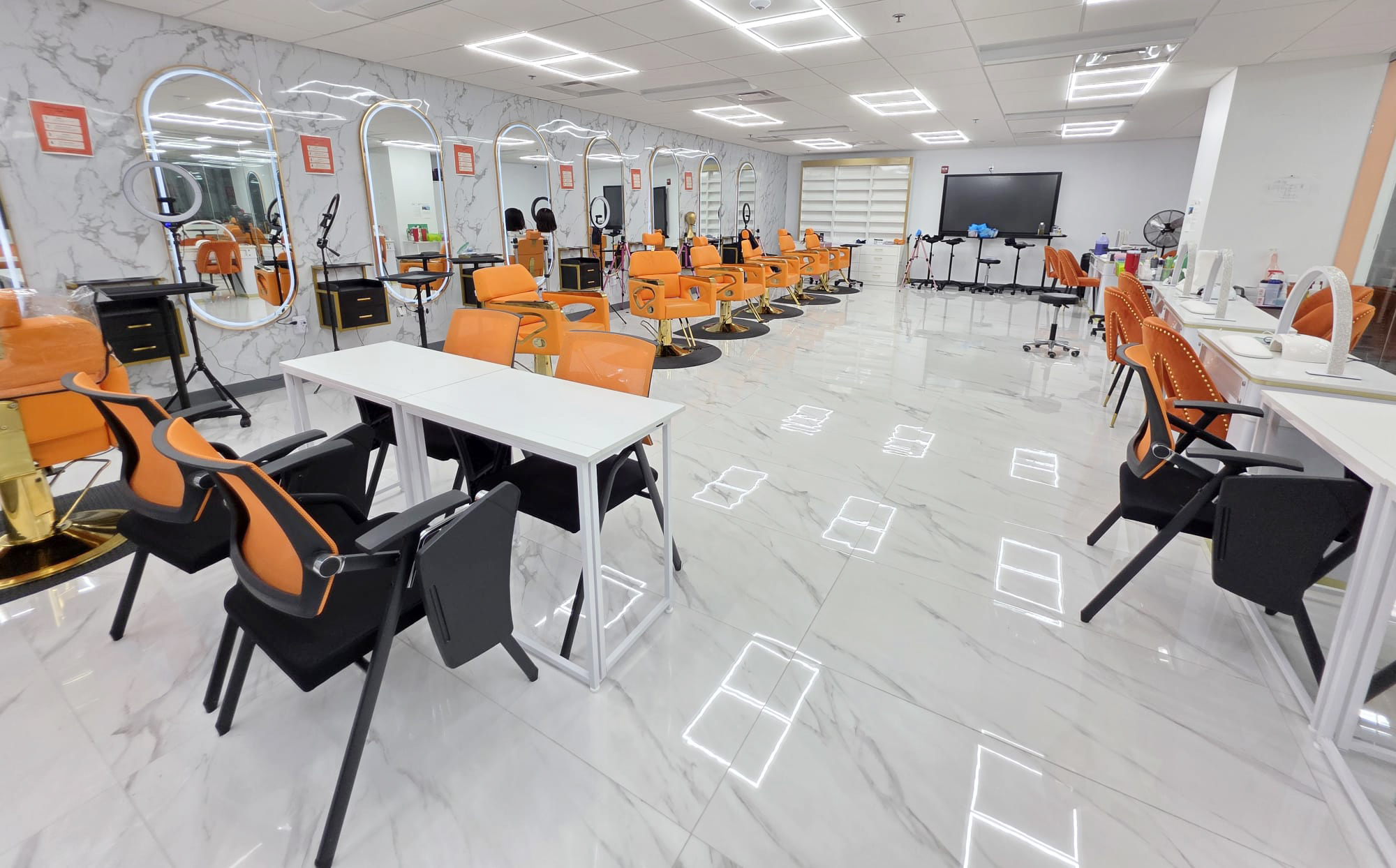
AVI Career Training offers a Cosmetic Laser Technology Program at our Vienna, Virginia campus — purpose-built for students who want to specialize in laser and light-based aesthetic treatments.
Meet Yolanda
Yolanda spent 12 years as a registered nurse before deciding she wanted to pivot toward aesthetic medicine without committing to another multi-year degree. She had the clinical background. She wanted the laser skills. She enrolled in AVI’s Cosmetic Laser Technology Program after completing her esthetics license — and within six months of graduating, she was working full-time as a lead laser technician at a medspa in Tysons Corner, performing laser hair removal, IPL photofacials, and skin rejuvenation treatments. “I wanted something I could build a real career from,” she says. “AVI gave me the technical foundation and the confidence to walk in on day one and actually know what I was doing.”
What You’ll Learn
AVI’s Cosmetic Laser Technology Program trains students in the science and practice of laser and light-based aesthetics. The curriculum covers:
- Laser physics and tissue interaction — understanding how different wavelengths affect different skin structures
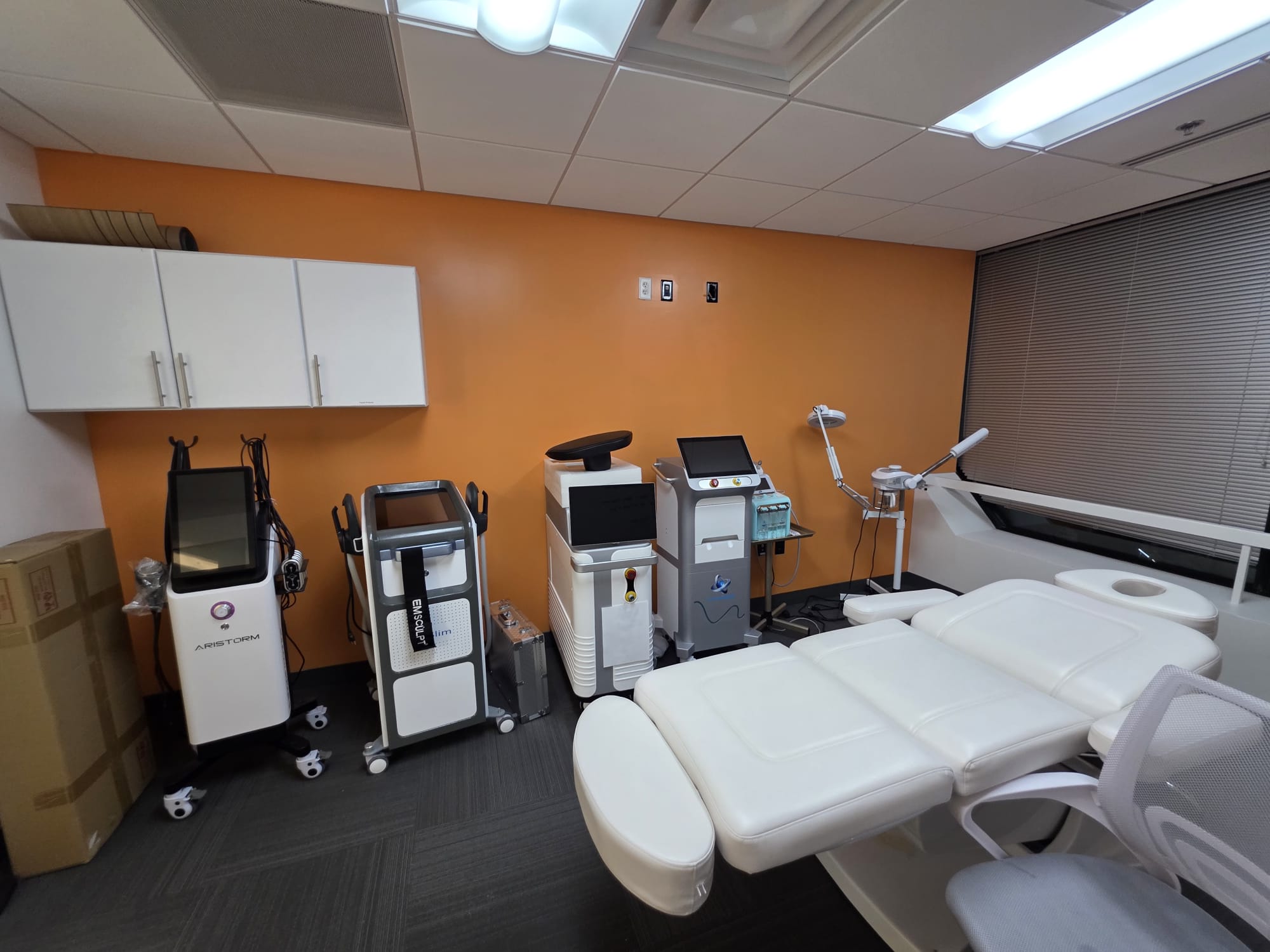
- Device operation — hands-on training with professional-grade laser systems
- Fitzpatrick skin typing and client assessment — how to evaluate each client’s skin type and customize treatment protocols accordingly
- Laser safety protocols — protective equipment, room setup, emergency procedures, and Laser Safety Officer responsibilities
- Treatment protocols — laser hair removal, IPL, skin rejuvenation, and additional modalities
- Consultation and documentation — how to conduct thorough pre-treatment consultations and maintain clinical records
- Contraindications and complications — recognizing when a client is not a good candidate and how to respond if something goes wrong
Inclusive Training Is Built Into the Curriculum
AVI’s program doesn’t default to one skin type. Every student learns to assess and treat clients across the full Fitzpatrick Scale — Types I through VI. In Northern Virginia’s diverse population, this is not optional knowledge. It’s the clinical standard.
Program Structure and Timeline
AVI’s Cosmetic Laser Technology Program is designed to be completed efficiently without sacrificing clinical depth. Contact our admissions team for current program hours and scheduling options — full-time and flexible scheduling may be available.
For students who are starting from scratch, the full path looks like this:
- Complete AVI’s Basic Esthetics Program (600 hours) → earn your Virginia esthetics license
- Enroll in the Cosmetic Laser Technology Program → complete laser-specific training
- Graduate and enter the Northern Virginia medspa market as a credentialed, clinically prepared laser technician
The combined timeline is realistic for most students within a year or less of full-time study — a fast track into a high-demand specialty.
Consider Marcus
Marcus was 24 when he decided cosmetology school wasn’t the right fit — he wanted something more clinical. He enrolled at AVI, completed his esthetics training, then immediately rolled into the Cosmetic Laser Technology Program. By the time he was 25, he was performing laser hair removal treatments at a dermatology-affiliated medspa in Arlington. He credits the hands-on component of AVI’s training: “We didn’t just watch. We did the work. That made a huge difference when I started the job.”
Financial Aid and Veterans Benefits
AVI Career Training is COE Accredited and SCHEV Certified, which means students may be eligible for federal financial aid — including Pell Grants. AVI also accepts the GI Bill® for qualifying veterans and service members. Financing your training shouldn’t be the reason you don’t start.
Your Next Step
Northern Virginia’s medical aesthetics market is growing. The demand for trained, credentialed laser technicians is real — and the window to build a career in this specialty is open.
Apply to AVI Career Training today and take the first step toward your laser technician career. Have questions first? Call us at (703) 943-9841 or reach out through our contact form — our admissions team is ready to walk you through the program, the timeline, and your options.
AVI Career Training
1595 Spring Hill Rd #720, Vienna, VA 22182