
AVI Career Training

Massage Therapy School in Northern Virginia

Share:

Massage Therapy School in Northern Virginia

AVI Career Training in Vienna, VA is a COE-accredited massage therapy school in Northern Virginia — and that distinction matters far more than most prospective students realize when they start shopping for programs.

If you’re researching how to become a licensed massage therapist in the DC metro area, you’ve probably noticed that not all programs are created equal. Some schools list impressive-sounding curricula but carry no recognized accreditation. Others may not be certified by SCHEV, Virginia’s State Council of Higher Education, which affects your access to financial aid. AVI checks both boxes — and then some.

Whether you’re pivoting from a physically demanding job, re-entering the workforce, or simply passionate about helping people feel better, this guide walks you through exactly what Virginia requires for licensure, what to look for in a quality program, and what your earning potential looks like in the Northern Virginia job market.

Ready to take the first step? Apply to AVI’s Massage Therapy Program today or call us at (703) 943-9841.


Key Takeaways

  • Virginia requires 500 hours of supervised massage therapy education for licensure
  • Graduates must pass the MBLEx exam before applying to the Virginia Board of Nursing
  • AVI’s Massage Therapy Program can be completed in approximately 6–9 months
  • Massage therapists in the Virginia/DC metro area earn a median of $55,000–$70,000+ per year
  • AVI is COE-accredited and SCHEV-certified, making students eligible for Financial Aid and the GI Bill®

What Does a Massage Therapist Actually Do?

Massage therapy is a hands-on healthcare profession — not just a spa luxury. Licensed massage therapists (LMTs) assess soft tissue conditions, design individualized treatment plans, and apply manual techniques to reduce pain, improve circulation, and support recovery.

On a typical day, an LMT might work through a full-body Swedish session with a client managing chronic stress, shift to a focused deep tissue treatment for a runner dealing with IT band tightness, then finish with a prenatal massage for a client in her third trimester. Each session requires different technique, pressure calibration, and client communication.

Modalities You’ll Learn

A strong Massage Therapy program trains you across multiple modalities, including:

  • Swedish massage — the foundational technique for relaxation and circulation
  • Deep tissue massage — targeted work on deeper muscle layers for chronic tension
  • Sports massage — pre- and post-event techniques to support athletic performance and recovery
  • Prenatal massage — modified positioning and pressure for pregnant clients
  • Myofascial release — addressing the connective tissue surrounding muscles
  • Reflexology — working with pressure points on the feet, hands, and ears
  • Chair massage — a practical, portable modality often used in corporate or event settings

Each of these modalities opens doors to different client populations and different types of employers.

Where LMTs Work in Northern Virginia

Northern Virginia’s job market for massage therapists is genuinely diverse. Graduates from AVI’s program in Vienna, VA realistically pursue positions at:

  • Luxury hotel spas along the Tysons and Reston corridor
  • Chiropractic and physical therapy offices in Fairfax County and Arlington
  • Medical spas and wellness centers serving the DC suburban market
  • Sports medicine clinics near the area’s dense concentration of recreational athletes
  • High-end day spas in McLean, Great Falls, and Alexandria
  • Private practice — your own schedule, your own clients, your own rates

The DC metro area’s large, internationally diverse population also means Northern Virginia clients span a wide range of ages, body types, cultural backgrounds, and wellness needs. A well-trained LMT here needs more than technique — they need the cultural awareness and inclusive practice skills to serve that full spectrum of clients. That’s something AVI builds directly into its curriculum.


Virginia Licensing Requirements for Massage Therapists

Before you can legally practice massage therapy in Virginia, you must meet specific requirements set by the Virginia Board of Nursing, which oversees massage therapy licensure in the state.

Here’s the regulatory roadmap:

Hour Requirements

Virginia requires a minimum of 500 hours of supervised massage therapy education from a state-approved school. Those hours must cover core subject areas including anatomy and physiology, pathology, ethics, business practices, and hands-on technique.

This is not a weekend certification. It is a substantive professional credential that requires structured training from an approved institution.

The MBLEx Exam

After completing your 500 hours, you must pass the MBLEx — the Massage and Bodywork Licensing Examination — administered by the Federation of State Massage Therapy Boards (FSMTB). The MBLEx tests your knowledge across seven content areas:

  1. Anatomy and physiology
  2. Kinesiology
  3. Pathology, contraindications, and areas of caution
  4. Benefits and physiological effects of techniques
  5. Client assessment, reassessment, and treatment planning
  6. Ethics, boundaries, laws, and regulations
  7. Guidelines for professional practice

The exam consists of 100 scored questions. You must achieve a passing score before submitting your licensure application to the Virginia Board of Nursing. For the most current exam content outline, visit FSMTB’s official MBLEx page.

Applying for Your Virginia License

Once you’ve passed the MBLEx, you apply for licensure through the Virginia Department of Health Professions (Virginia Board of Nursing). Your application will require proof of program completion, exam scores, and applicable fees. Current requirements and the online application portal can be found at dhp.virginia.gov.

License Renewal

Virginia massage therapy licenses must be renewed every two years. Renewal requires continuing education hours, so staying current with techniques and professional standards is an ongoing part of the career.


What to Look for in a Massage Therapy Program — And Why Accreditation Matters

Not every massage therapy school in Northern Virginia is authorized to offer the same education. When you’re comparing programs, three credentials should be non-negotiable.

COE Accreditation

The Council on Occupational Education (COE) is a nationally recognized accrediting body for career and technical schools. COE accreditation means an independent organization has evaluated a school’s curriculum, faculty qualifications, facilities, student outcomes, and financial practices — and found them to meet rigorous standards.

For you as a student, COE accreditation means:

  • The program has been externally verified as high quality
  • Your credential carries weight with employers and licensing boards
  • You may be eligible for federal financial aid (Title IV programs require accreditation)
  • Your hours are more likely to be recognized if you ever transfer or pursue additional credentials

AVI Career Training is COE-accredited. Many smaller massage programs in the area are not.

SCHEV Certification

SCHEV stands for the State Council of Higher Education for Virginia. Any private postsecondary school operating in Virginia must be certified by SCHEV. This is a state-level consumer protection measure — it confirms the school is legally authorized to operate and has met Virginia’s requirements for private career schools.

AVI is SCHEV-certified. If a school you’re considering isn’t, that’s a serious red flag.

Financial Aid and GI Bill® Eligibility

Because AVI holds both COE accreditation and SCHEV certification, students may be eligible for:

  • Federal Pell Grants and other Title IV financial aid
  • The GI Bill® — including the Post-9/11 GI Bill® — for eligible veterans and servicemembers

These funding sources can make the difference between a program being affordable or out of reach. If you’re a veteran or active-duty servicemember considering a career in massage therapy, contact AVI’s admissions team to discuss your GI Bill® eligibility.


AVI’s Massage Therapy Program: What You’ll Learn

AVI Career Training’s Massage Therapy Program in Vienna, VA is designed to take you from zero experience to exam-ready in approximately 6–9 months, depending on whether you enroll full-time or part-time. The program meets Virginia’s 500-hour requirement and prepares you for the MBLEx.

Curriculum Overview

AVI’s curriculum blends foundational science with intensive hands-on technique. You won’t just read about muscles — you’ll learn to find them, assess them, and work them with precision. Core areas of study include:

  • Anatomy, physiology, and kinesiology — the science of how the body works and moves
  • Pathology and contraindications — knowing when and how to modify or decline treatment
  • Massage techniques and modalities — Swedish, deep tissue, sports, prenatal, myofascial, and more
  • Client intake and assessment — health history review, postural analysis, and session planning
  • Draping, hygiene, and safety — professional standards every employer expects
  • Ethics and professional boundaries — the non-negotiables of a client-trust profession
  • Business fundamentals — how to build a private practice or position yourself for spa employment

Hands-On Clinic Hours

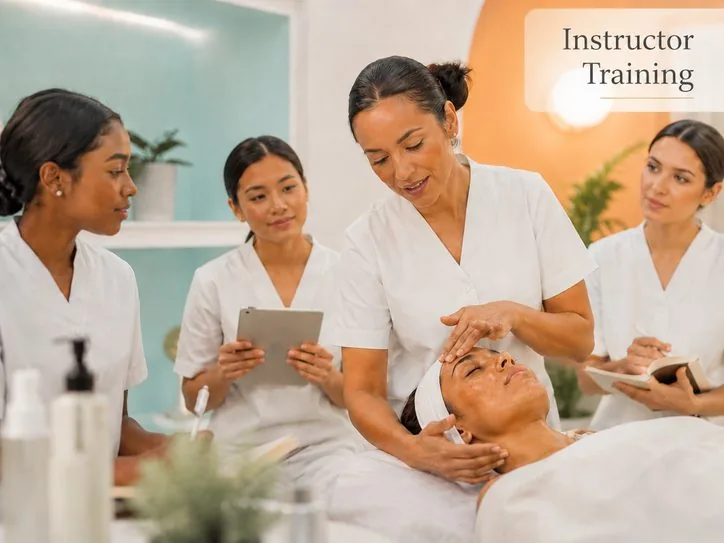
A significant portion of AVI’s program is spent in supervised clinical practice. You’ll work on real clients — not just classmates — under the guidance of licensed instructors. This is where technique meets reality: learning to communicate clearly with clients, adjust pressure in real time, and build the session management skills that employers look for.

Inclusive Practice Training

Here’s something most massage programs don’t explicitly address: the DC metro population is one of the most diverse in the United States. Your future clients will represent a wide range of ethnicities, body types, ages, and cultural backgrounds.

AVI builds inclusive practice into its curriculum — training students to adapt techniques across diverse client populations and to communicate with cultural sensitivity. This isn’t an add-on. It’s part of what it means to be a skilled, employable massage therapist in Northern Virginia.

A Real Student’s Path: Meet Danielle

Danielle had spent eight years working as a medical receptionist at a Fairfax County orthopedic practice. She’d watched physical therapists and massage therapists help patients recover from surgery and injuries — and knew she wanted to work more directly with the healing side of care.

She enrolled in AVI’s Massage Therapy Program on a part-time schedule while continuing to work. Nine months later, she passed the MBLEx on her first attempt, earned her Virginia license, and accepted a position at a chiropractic clinic in Reston — the exact type of employer she’d been watching for years. Her hourly rate there was higher than her former salary, and she works a schedule she controls.


Career Outlook: Massage Therapist Salaries & Jobs in Northern Virginia

One of the most common questions from people considering a career change is: Is this worth it financially?

For massage therapy in Northern Virginia, the answer is yes — especially when you compare a 6–9 month program investment to the salary ceiling you’re likely hitting in your current role.

What Massage Therapists Earn

According to the Bureau of Labor Statistics (BLS), the national median annual wage for massage therapists was $49,860 as of May 2023. But national medians don’t tell the full story for the DC metro market.

In Virginia and the broader Northern Virginia/DC metro area, massage therapists with established clientele or positions at premium employers routinely earn $55,000–$70,000+ annually. The top 10% of massage therapists nationally earn $80,000 or more — a figure that includes the self-employed practitioners who’ve built strong private practices.

For current Virginia-specific wage data, you can reference the BLS Occupational Employment and Wage Statistics for Virginia.

The Northern Virginia Advantage

The NoVA/DC metro market creates several income-boosting factors that don’t exist in most regional markets:

  • Higher average household income means clients willing to pay premium rates
  • Dense corporate presence in Tysons, Reston, and Herndon drives demand for workplace wellness and chair massage contracts
  • Large population of competitive athletes — cyclists, runners, triathletes — who prioritize sports massage year-round
  • Luxury hospitality market along Tysons and Old Town Alexandria commands top spa wages
  • Proximity to federal government and military installations creates consistent demand from VA healthcare-adjacent employers

Self-Employment Potential

Many experienced LMTs eventually build their own practice — either full-time or as a supplement to employed work. With a private clientele, your earning ceiling is set by your schedule and your rates, not an employer’s pay structure. A massage therapist charging $120 per hour and seeing six clients per day, five days per week, is generating over $180,000 in gross revenue annually. After overhead, experienced private practitioners in Northern Virginia can net significantly more than salaried peers.

From Corporate to Calming: Meet Marcus

Marcus spent 12 years in IT project management before a persistent shoulder injury introduced him to therapeutic massage. His physical therapist recommended regular massage as part of his recovery — and after six months of treatment, Marcus found himself genuinely curious about the profession from the practitioner’s side.

At 38, he enrolled at AVI. He was the oldest student in his cohort by a few years and worried he’d be behind the curve. Instead, his professional background — client communication, time management, documentation discipline — made him one of the most polished students in the clinical program. Within three months of licensing, he’d built a part-time private practice in his Arlington neighborhood and was earning more per hour than he’d made in IT.


Your Next Step Toward Licensure

Becoming a licensed massage therapist in Virginia is a clearly defined process: 500 hours of approved training, a passing MBLEx score, and a license application to the Virginia Board of Nursing. The career on the other side of that process is real, flexible, and increasingly well-compensated — especially in the Northern Virginia market.

What makes the difference between a credential that opens doors and one that doesn’t is the quality of the school behind it. AVI Career Training’s COE accreditation, SCHEV certification, hands-on clinical training, and inclusive curriculum are what prepare graduates to walk into a Tysons spa, a Fairfax chiropractic clinic, or their own private practice and thrive from day one.

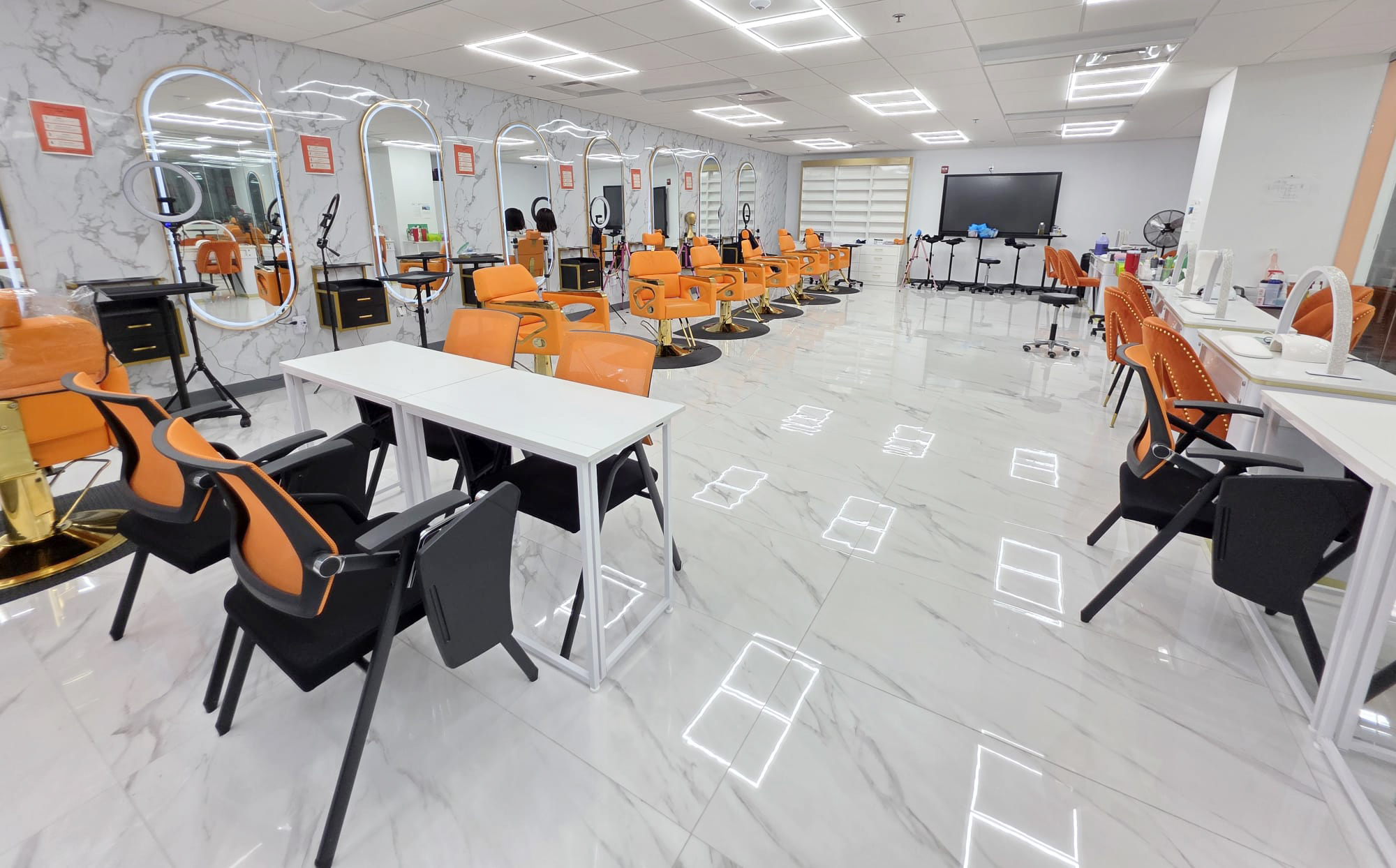
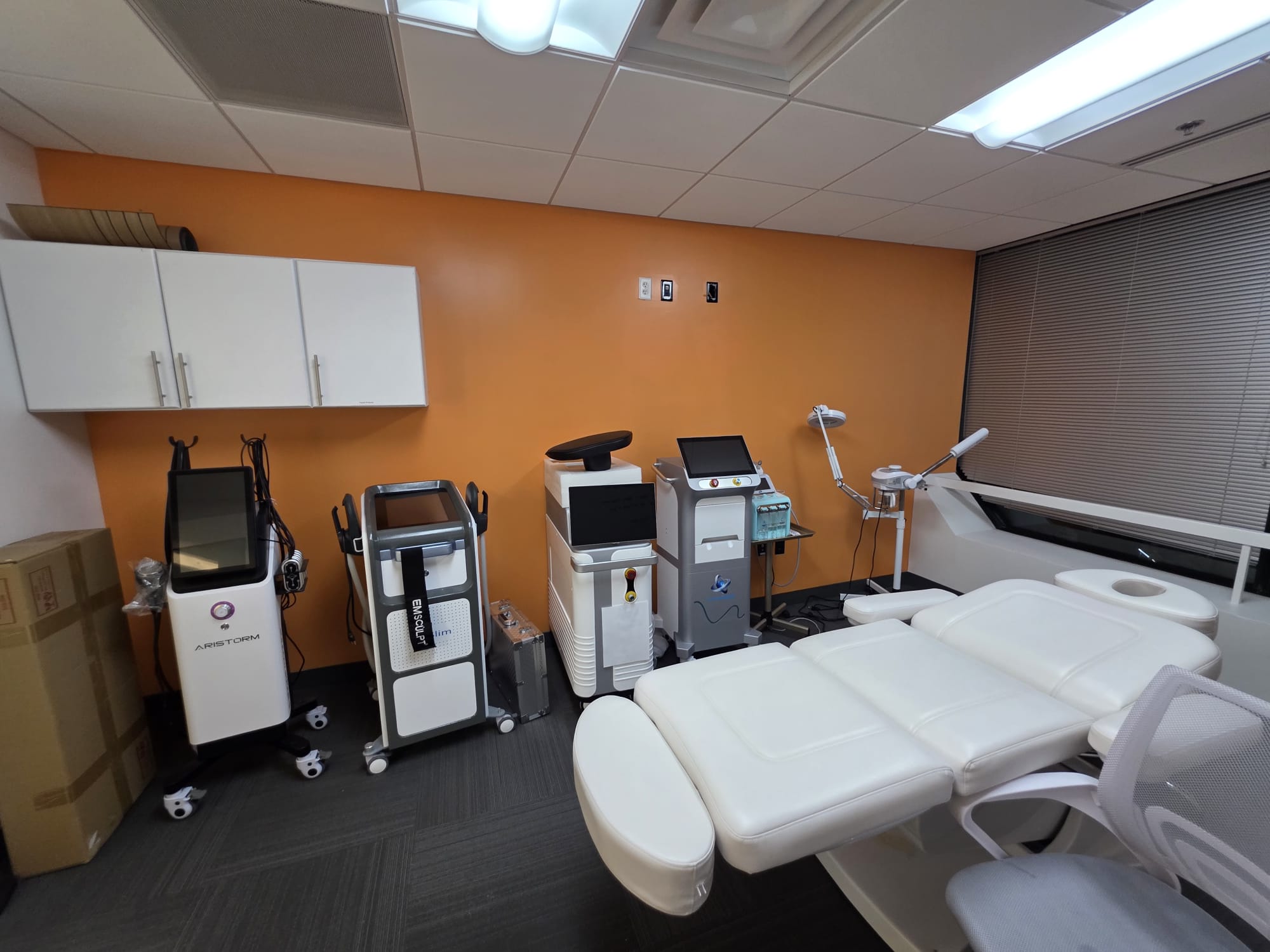
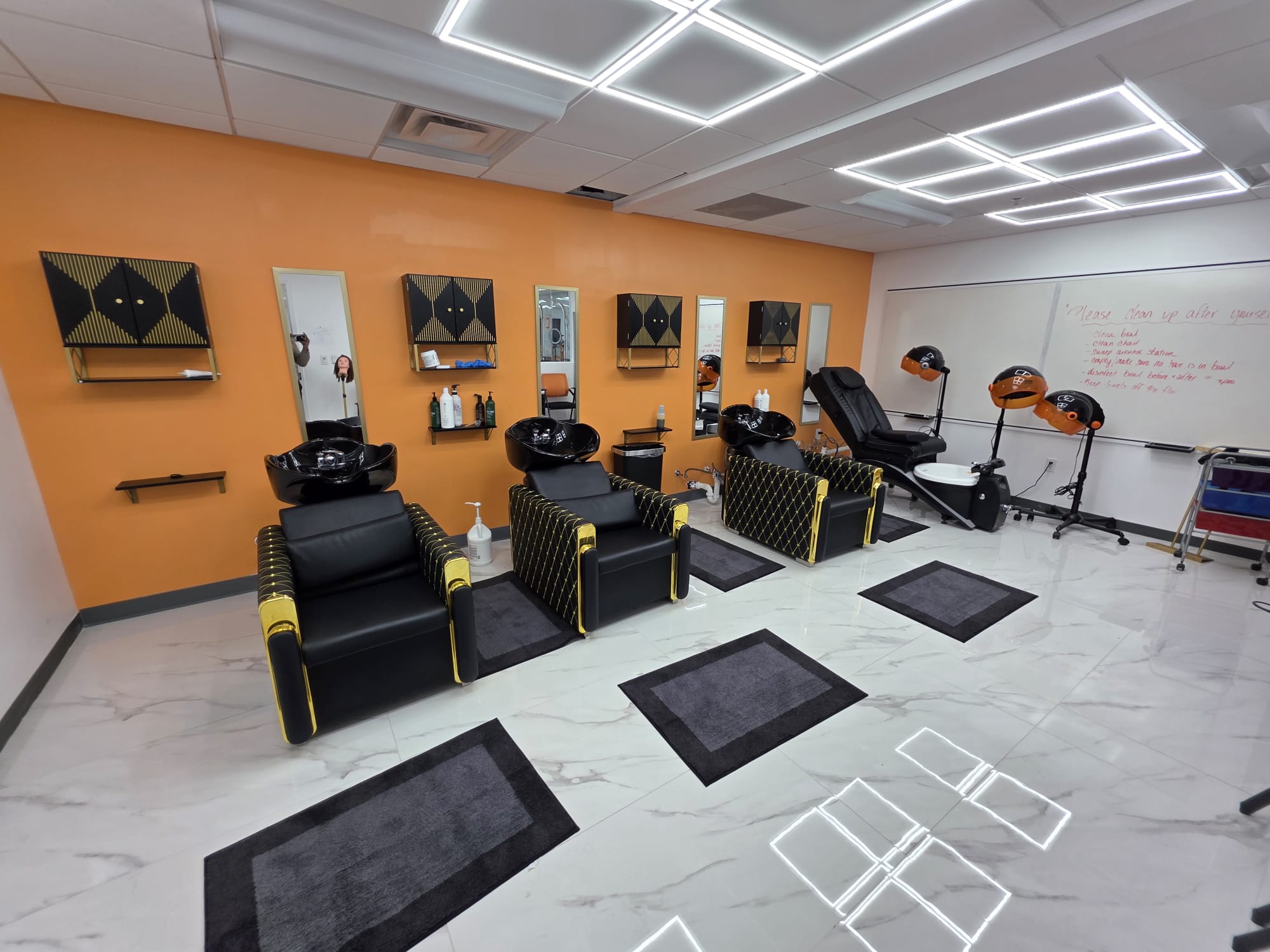
If you’re ready to stop researching and start moving, apply to AVI’s Massage Therapy Program today. You can also call us directly at (703) 943-9841 or visit our campus at 1595 Spring Hill Rd #720, Vienna, VA 22182 to see the program in person.

Your career in massage therapy starts here.

Article details:

Share: