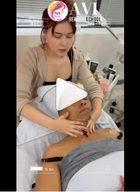
Beauty School for ESL Students in Northern Virginia
AVI Career Training in Vienna, Virginia welcomes ESL students — and you do not need to speak perfect English to earn a Virginia beauty license and build a real career.
This is one of the most common questions we hear from prospective students in Northern Virginia’s diverse, multilingual communities: “Can I do this if English isn’t my first language?” The answer is yes. Thousands of licensed cosmetologists, estheticians, nail technicians, and massage therapists working in Virginia today learned their craft while still building their English skills. This guide explains exactly how the licensing process works, what AVI Career Training offers, and why the beauty industry is one of the most accessible career paths for ESL students anywhere in the country.
Key Takeaways
- Virginia does not require English fluency as a licensing eligibility criterion
- The Virginia State Board practical exam is hands-on and skills-based — technique speaks for itself
- Nail Technology at AVI can be completed in as few as 8 weeks — the fastest path to licensure
- AVI Career Training is COE Accredited and SCHEV Certified, with financial aid available
- The written theory exam is offered in English through PSI Exams — ESL students can prepare with targeted study strategies
You Don’t Need Perfect English to Build a Beauty Career
Let’s be direct: language is a barrier in some careers. Beauty is not one of them.
Cosmetology, esthetics, nail technology, and massage therapy are built on touch, technique, and trust between a practitioner and a client. The skills you develop — shaping a nail, performing a facial, executing a flawless wax — are physical, repeatable, and learnable regardless of your primary language. When a client sits in your chair, they are judging your hands, not your grammar.
This does not mean English doesn’t matter at all. You will study theory, take a written exam, and interact with clients daily. But “fluency” and “enough English to succeed” are two very different things. Many of AVI’s most successful graduates started their programs with limited English skills and built their vocabulary — beauty and professional — right alongside their technical skills.
Northern Virginia is one of the most linguistically diverse regions in the United States. Fairfax County alone is home to speakers of over 100 languages. The beauty industry here reflects that diversity. Salons, spas, and nail studios throughout the DC metro area actively hire multilingual technicians because their clients speak those languages too. Your native language is not a liability — it may be one of your greatest professional assets.
If you are ready to explore your options, apply at AVI Career Training today — or keep reading to understand exactly what the path looks like.
What Virginia Requires for a Cosmetology or Esthetics License
Before you enroll anywhere, you deserve a clear picture of what Virginia actually requires. Here is the straightforward breakdown.
Required Training Hours by Program
The Virginia Department of Professional and Occupational Regulation (DPOR) sets minimum training hours for each license category. You must complete these hours at a state-approved school before you can sit for the licensing exam.
| Program | Required Hours |
|---|---|
| Cosmetology | 1,500 hours |
| Basic Esthetics / Skin Care | 600 hours |
| Nail Technology | 150 hours |
| Massage Therapy | 500 hours |
| Electrolysis | 600 hours |
(Always verify current requirements directly with the Virginia DPOR before enrolling, as regulations can change.)
The Two-Part Licensing Exam
After completing your required training hours, you take the Virginia State Board exam through PSI Exams. The exam has two parts:
Written (Theory) Exam: This is a multiple-choice test covering the science and safety principles behind your craft — sanitation, anatomy, chemical processes, and professional standards. The exam is administered in English. This is the section ESL students most often worry about, and it is the one that requires the most intentional study preparation. Good news: the content is highly specific and technical, which means focused vocabulary study goes a long way.
Practical (Skills) Exam: This is a hands-on demonstration of your technique. You perform procedures on a mannequin or model and are evaluated on execution, safety, and sanitation. There is no language component to the practical exam. A skilled technician with limited English can perform exceptionally well here. This is where training hours and hands-on practice pay off.
Does Virginia Require English Fluency to Get Licensed?
Virginia does not list English language proficiency as an eligibility requirement for a cosmetology, esthetics, nail technology, or massage therapy license. You must pass the required exams, complete your training hours, and meet standard background requirements — but language fluency is not a gatekeeping criterion.
(Verify this directly with DPOR at dpor.virginia.gov or by calling their office before making enrollment decisions, as policies can change.)
What this means practically: your focus should be on mastering the technical vocabulary you will see on the written exam, not on achieving conversational fluency before you start. You can build both simultaneously.
How AVI Career Training Supports ESL Students
AVI Career Training was built for Northern Virginia — which means it was built for one of the most diverse student populations in the country. The school’s approach to instruction naturally aligns with how ESL students learn best.
Hands-On Learning From Day One
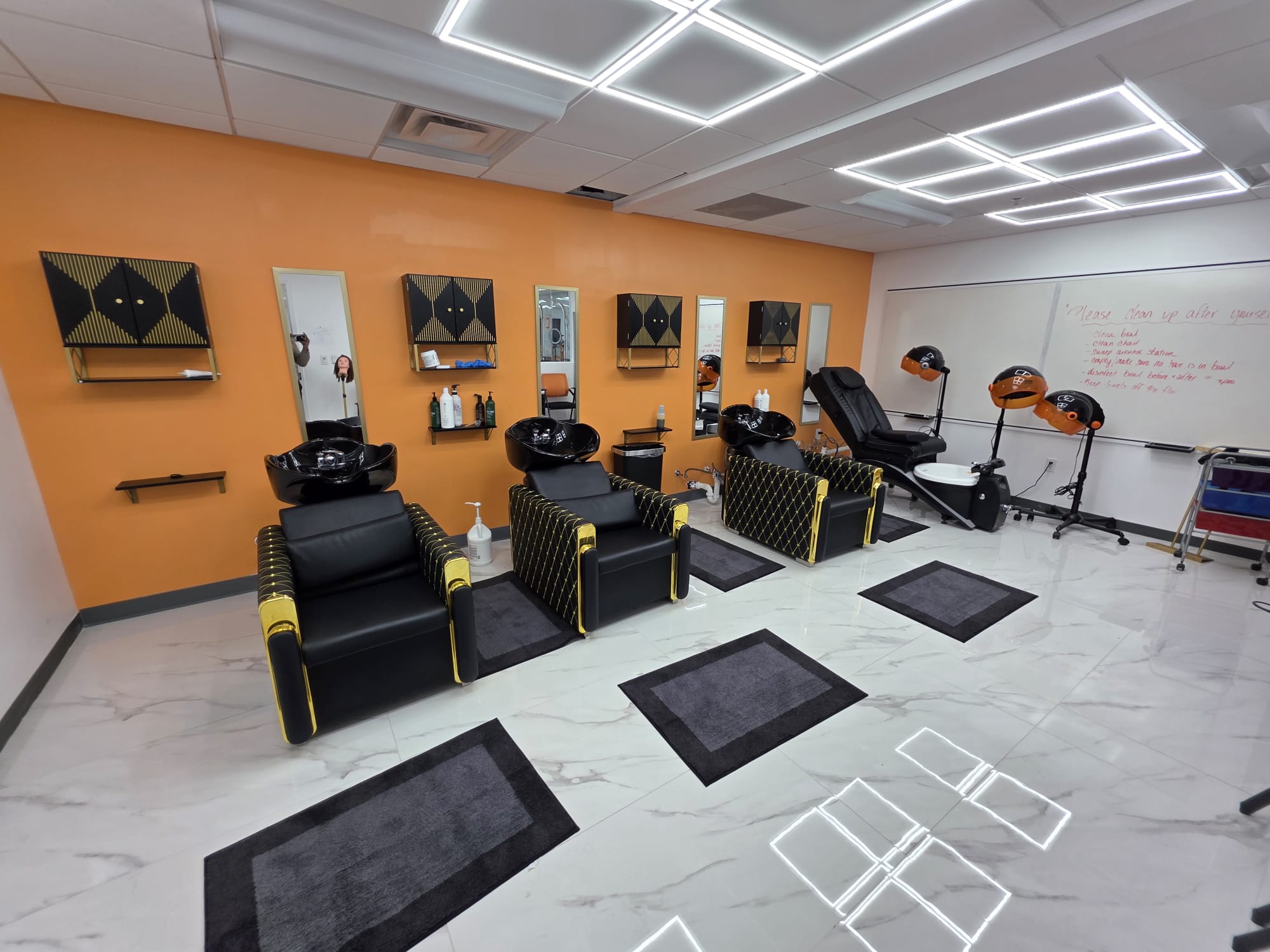
The single biggest advantage AVI offers ESL students is its emphasis on hands-on, practical training. From your first week, you are working with real tools, real products, and real techniques on real people. You are not sitting in a lecture hall absorbing theory for months before touching a mannequin.
This learn-by-doing approach reduces the language barrier significantly. When an instructor demonstrates a technique, you can watch, replicate, and refine — no translation required. Muscle memory and visual learning are universal.
Small Class Environment
AVI is not a large vocational college where you are one of hundreds. The smaller class environment means instructors can give you more direct, one-on-one attention. If you need something explained again, or demonstrated a different way, that is a reasonable and normal request — not an interruption.
A Diverse Student Body
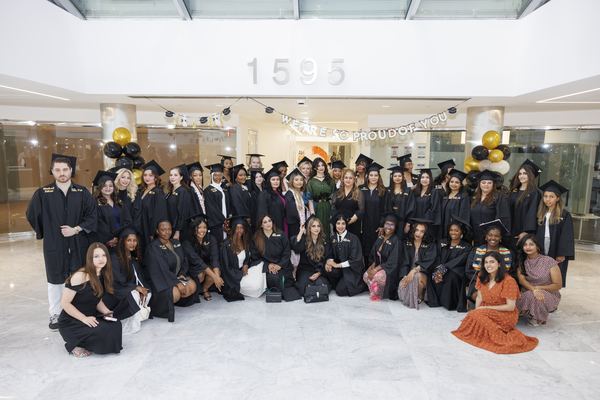
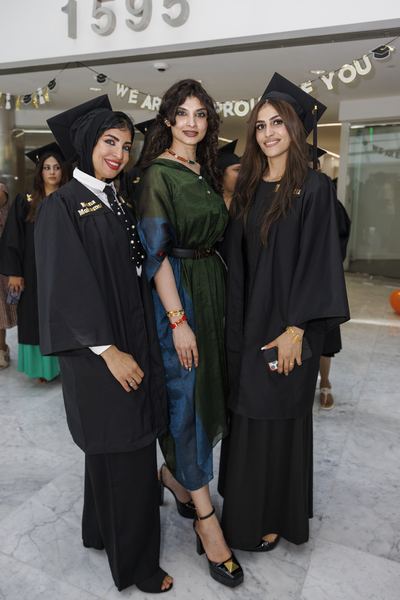
When you walk into AVI, you will be surrounded by students from many different backgrounds, languages, and life experiences. You are not an outlier. You are part of a community that reflects the real Northern Virginia. Students often support each other — including helping translate concepts or practice verbal communication in a safe, low-stakes environment.
Theory Study Support
The written exam is where ESL students need to put in the most preparation. AVI’s curriculum covers the theory content you need to pass. Students who are concerned about the English component of the written exam are encouraged to:
- Use English-language study guides with visual diagrams (many cosmetology textbooks use heavy illustration)
- Practice with flashcards to build technical vocabulary
- Use online translation tools to understand unfamiliar concepts in their native language, then re-learn them in English
- Ask instructors for clarification during theory sessions — that is what they are there for
AVI’s instructors are licensed industry professionals who have helped students with a wide range of backgrounds prepare for and pass the Virginia State Board exam. You will not be the first ESL student to sit in that chair, and you will not be the last.
Mini-Story: From Vietnam to Vienna
Linh arrived in Northern Virginia five years ago, speaking limited English and working long hours in a restaurant kitchen. She had done nails informally for friends and family back home and always wanted to do it professionally. Her biggest fear? The written exam.
She enrolled in AVI’s Nail Technician program and completed her 150 required training hours over eight weeks. Her instructor walked her through the theory content section by section. Linh used flashcards, drew diagrams, and practiced vocabulary every night after class. She failed the written exam the first time — by two questions. She studied for another three weeks and passed on her second attempt.
Today, Linh owns a nail studio in Annandale and employs two other technicians. Her bilingual Vietnamese-English skills made her a go-to technician in her community before she ever finished paying off her tuition.
The practical exam? She passed that on her first try without breaking a sweat.
Which AVI Programs Are the Best Fit for ESL Students?
Every AVI program is open to ESL students. But some programs offer a faster path to licensure and a lower language-learning burden for those just getting started.
Nail Technology — Fastest Path to Licensure
Required Hours: 150 hours
Time to Complete at AVI: As few as 8 weeks
Virginia State Board Exam: Written + Practical (through PSI Exams)
Median Earnings: Nail technicians in Virginia earn approximately $30,000–$38,000 annually, according to Bureau of Labor Statistics data — and experienced nail artists in the DC metro area often earn significantly more through tips and clientele building.
Nail Technology is the most accessible entry point for ESL students. The training hours are the lowest of any licensed beauty profession in Virginia, the program is deeply hands-on, and 8 weeks is a manageable timeline even for someone working another job or managing family responsibilities. Many ESL students use Nail Technician licensure as a first step — earning income while they build their English skills and later returning to pursue Esthetics or Cosmetology.
Basic Esthetics — Skin Care and Facials
Required Hours: 600 hours
Time to Complete at AVI: Approximately 4–5 months
Virginia State Board Exam: Written + Practical
Median Earnings: Estheticians in Virginia earn approximately $35,000–$50,000 annually depending on specialization and clientele, per BLS data.
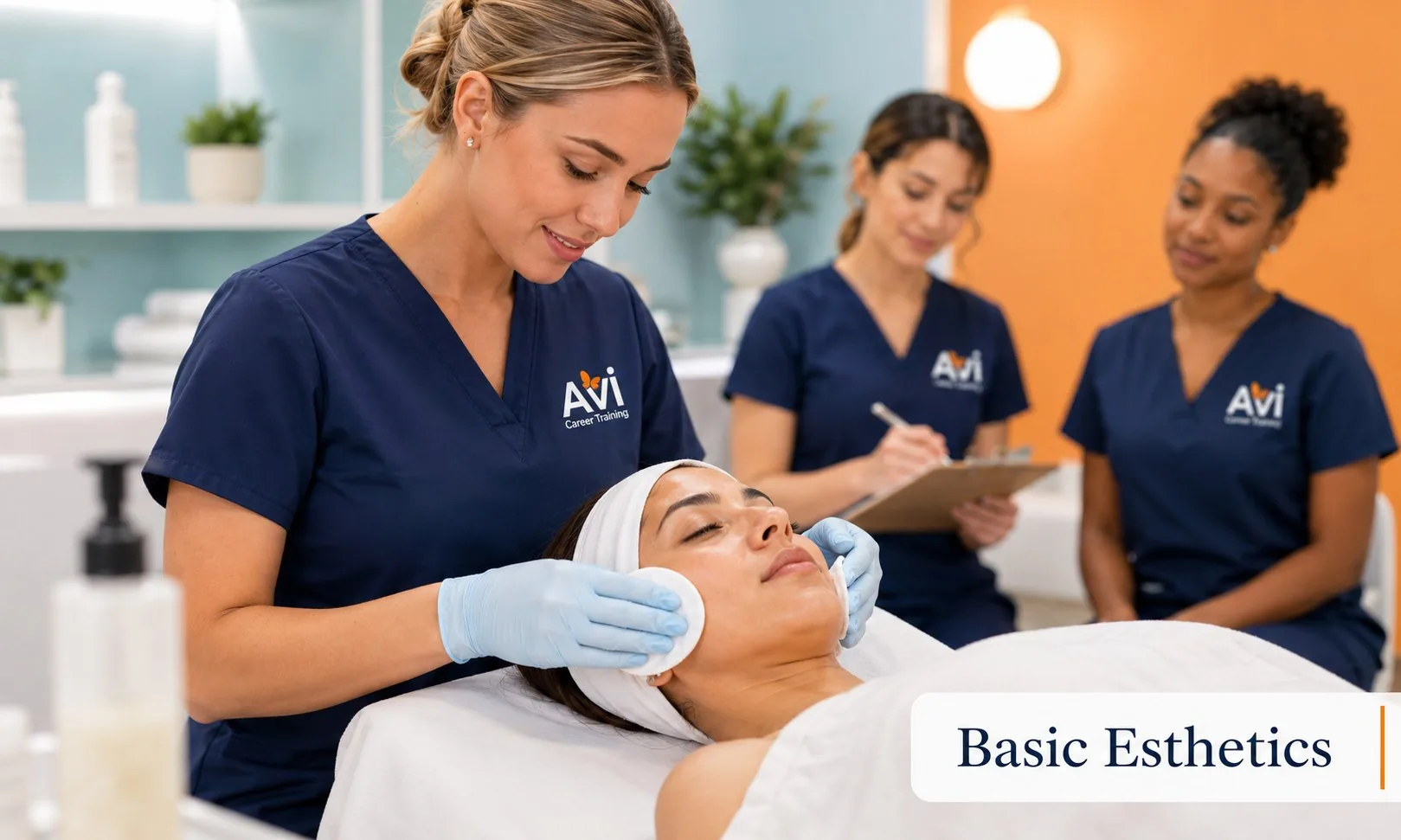
Esthetics is an excellent fit for ESL students who are interested in skin care, facials, waxing, and wellness services. The work is intimate and client-focused, and multilingual estheticians are in high demand at the many diverse spas and med spas throughout Northern Virginia and the DC area. The training is heavily hands-on, and the skills transfer directly into employment or self-employment.
Cosmetology — Full Salon Career
Required Hours: 1,500 hours
Time to Complete at AVI: Approximately 12–14 months
Virginia State Board Exam: Written + Practical
Career Paths: Stylist, colorist, salon owner, educator
Cosmetology is a larger commitment — both in hours and in the breadth of theory content you will study. It is absolutely achievable for ESL students, and many of the most successful cosmetologists in Northern Virginia are immigrants who brought extraordinary skill and community connection with them. This is the right choice if your goal is a full salon career or eventual ownership.
Massage Therapy — Wellness Career Path
Required Hours: 500 hours
Time to Complete at AVI: Approximately 5–6 months
Median Earnings: Massage therapists in Virginia earn approximately $45,000–$55,000 annually per BLS data, with strong demand at spas, clinics, and wellness centers throughout the DC metro area.
Massage Therapy is one of the most hands-on, technique-driven programs available. The work is almost entirely physical, making it highly accessible for ESL students whose strengths lie in touch and client care rather than verbal communication.
Explore all AVI programs and start your application here.
Mini-Story: A Career Change at 38
Maria came to the United States from El Salvador at age 34. After several years working in hotel housekeeping, she decided she wanted more control over her schedule and her income. A coworker mentioned AVI Career Training. Maria’s English was conversational but not strong in technical subjects.
She enrolled in Basic Esthetics, completing her 600 required hours in just over four months. Her instructor encouraged her to draw connections between Spanish-language anatomy terms she already knew and the English vocabulary in her textbooks — an approach that worked remarkably well. She passed both parts of her Virginia State Board exam on her first attempt.
At 39, Maria was working at a medical spa in Tysons Corner, earning more than she had in any previous job. By 41, she had built a loyal client base and was working four days a week on her own schedule.
She now recommends AVI to every woman in her church community who asks about changing careers.
Your Next Step: Enroll at AVI Career Training in Vienna, VA
You have read the information. You know the path is real. The next step is yours to take.
AVI Career Training is located at 1595 Spring Hill Rd #720, Vienna, VA 22182 — easily accessible from throughout Fairfax County and the broader Northern Virginia and DC metro area. We are COE Accredited and SCHEV Certified, and we accept the GI Bill® for qualifying veterans and dependents. Financial aid is available for those who qualify.
No matter where you are starting from — whether English is your second language, your third, or you are still building your confidence — AVI is ready to meet you where you are. Our programs are built around hands-on learning, our instructors are licensed professionals who know how to teach, and our community reflects the full diversity of Northern Virginia.
The beauty industry does not ask where you were born. It asks what you can do. Let AVI help you prove what that is.
Call us at (703) 943-9841 to speak with an admissions team member, or start your application online today. You can also learn more about AVI Career Training — our accreditations, our instructors, and the values that guide everything we do.
Your career in beauty starts here. Take the first step.
Licensing hour requirements and exam formats are set by the Virginia Department of Professional and Occupational Regulation (DPOR). Always verify current requirements at dpor.virginia.gov before enrolling. Salary data sourced from the U.S. Bureau of Labor Statistics (BLS.gov); figures reflect Virginia-specific median estimates and are subject to change.