

AVI Career Training

Massage Therapy School in Northern Virginia

Share:

Massage Therapy School in Northern Virginia

AVI Career Training in Vienna, Virginia is a COE-accredited massage therapy school serving the Northern Virginia and DC metro area — providing the hands-on training, clock hours, and licensing preparation you need to launch a real career in massage therapy.

If you’ve been researching how to become a massage therapist in Virginia, you already know the path requires real training at a state-approved school, a national licensing exam, and a credential from the Virginia Department of Professional and Occupational Regulation (DPOR). What you need now is the right school to get you there — efficiently, affordably, and with instructors who’ve worked in the field themselves.

Ready to take the first step? Start your application at AVI Career Training today.


Key Takeaways

  • Virginia requires 500 clock hours of training from a state-approved program to sit for the massage therapy licensing exam
  • Students must pass the MBLEx (Massage & Bodywork Licensing Examination) to earn a Virginia massage therapy license
  • Licenses are issued through DPOR and renewed every two years
  • The Washington-Arlington-Alexandria metro area consistently posts above-average wages for massage therapists compared to the national median of $49,860 (BLS, 2023)
  • AVI Career Training is COE-accredited, SCHEV-certified, and accepts GI Bill® benefits

What Does It Take to Become a Licensed Massage Therapist in Virginia?

Becoming a licensed massage therapist in Virginia is a straightforward process — but it does have specific requirements you need to meet before you can legally practice.

The Virginia Licensing Requirements

Virginia massage therapy licenses are issued by the Department of Professional and Occupational Regulation (DPOR). To qualify for licensure, you must complete at least 500 clock hours of massage therapy training at a state-approved school. Those hours must cover anatomy and physiology, massage theory and technique, ethics and professional standards, and hands-on clinical practice.

⚠️ Always verify current hour requirements directly at dpor.virginia.gov before enrolling, as requirements can change.

The MBLEx: Your National Licensing Exam

After completing your program, you’ll sit for the MBLEx — the Massage & Bodywork Licensing Examination. This is the national standard exam accepted by Virginia and most other states. It tests your knowledge of anatomy, physiology, kinesiology, pathology, massage applications, and professional ethics.

Passing the MBLEx is required before DPOR will issue your Virginia massage therapy license. Strong programs — like AVI’s — build MBLEx preparation directly into the curriculum so you’re not cramming at the end.

Renewal and Continuing Education

Once licensed, you’ll need to renew your Virginia massage therapy license every two years. Renewal requires completing continuing education hours as specified by DPOR. This keeps licensed therapists current on techniques, ethics, and any regulatory updates.

Why This Matters for Choosing a School

Every hour of training you receive at an unaccredited or non-approved school may not count toward Virginia’s requirements. Accreditation isn’t just a marketing badge — it’s what ensures your investment of time and money actually moves you toward a license. We’ll cover why that matters more in the next section.


What to Look for in a Massage Therapy School (And Why Accreditation Matters)

Not every massage therapy program in Northern Virginia is equal. When you’re evaluating schools, these are the criteria that separate quality programs from ones that waste your time and money.

COE Accreditation: The Gold Standard for Career Schools

Council on Occupational Education (COE) accreditation means a school has passed a rigorous external review of its curriculum, faculty qualifications, student outcomes, and institutional practices. For massage therapy specifically, it means your clock hours come from a program that meets national standards — which matters when you apply for licensure and when you seek financial aid.

AVI Career Training is COE-accredited. That credential is not easy to earn, and it signals to employers, licensing boards, and financial aid agencies that your training is legitimate and thorough.

SCHEV Certification

In Virginia, private career schools must also be certified by the State Council of Higher Education for Virginia (SCHEV). This is a Virginia-specific requirement that ensures schools meet state standards for consumer protection, curriculum quality, and financial stability. AVI is SCHEV-certified — another layer of credibility that protects you as a student.

Hands-On Clinical Hours

Massage therapy is a physical skill. You can’t learn it from a textbook alone. Look for programs that give you real clinic hours — working on actual clients in a supervised setting. This is where technique becomes instinct, and where you build the confidence that carries you into your first professional role.

Instructor Credentials

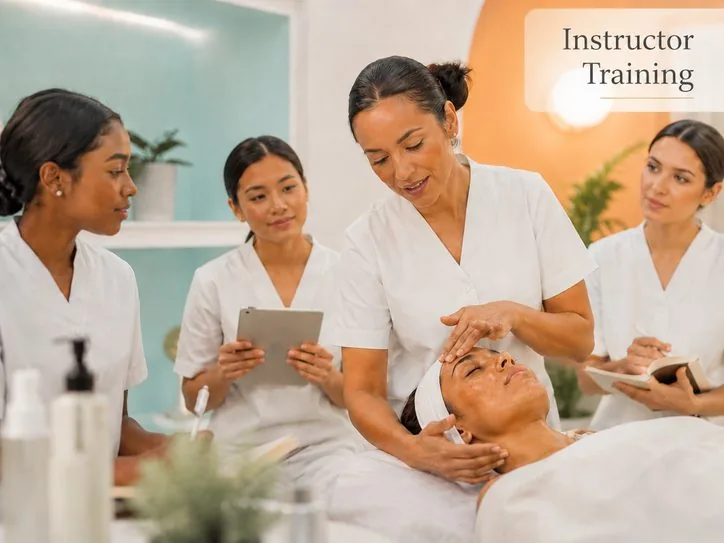
Your instructors should be licensed professionals with real-world experience — not just classroom teachers. At AVI Career Training, instructors bring industry expertise into every session, so you’re learning from people who have done the work you’re training to do.

Financial Aid Availability

Tuition is a real consideration. Look for schools that participate in Title IV federal financial aid programs, accept GI Bill® benefits, and offer clear, honest information about total program costs. We’ll break down AVI’s financial options in the final section.


AVI Career Training’s Massage Therapy Program: What You’ll Learn

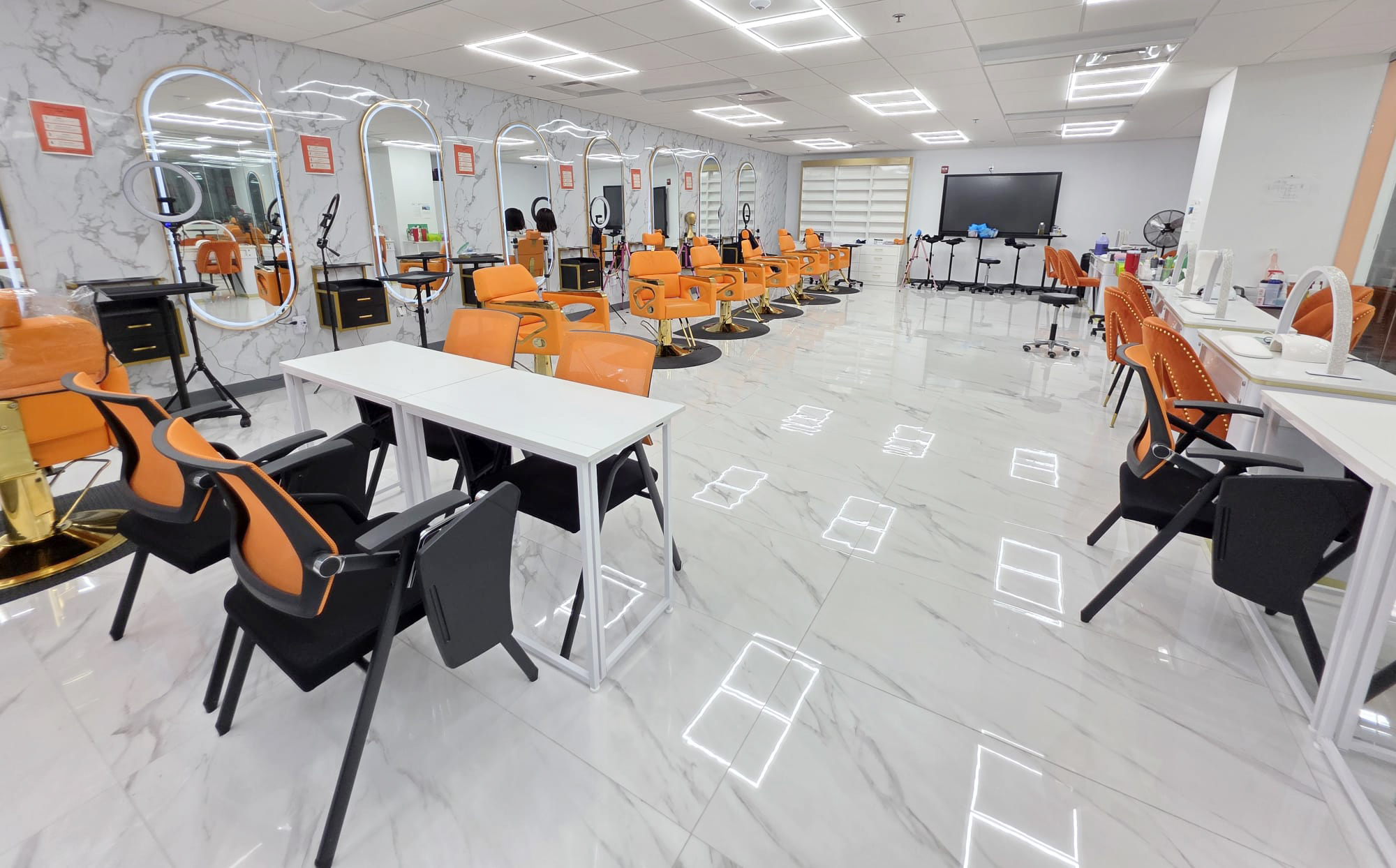
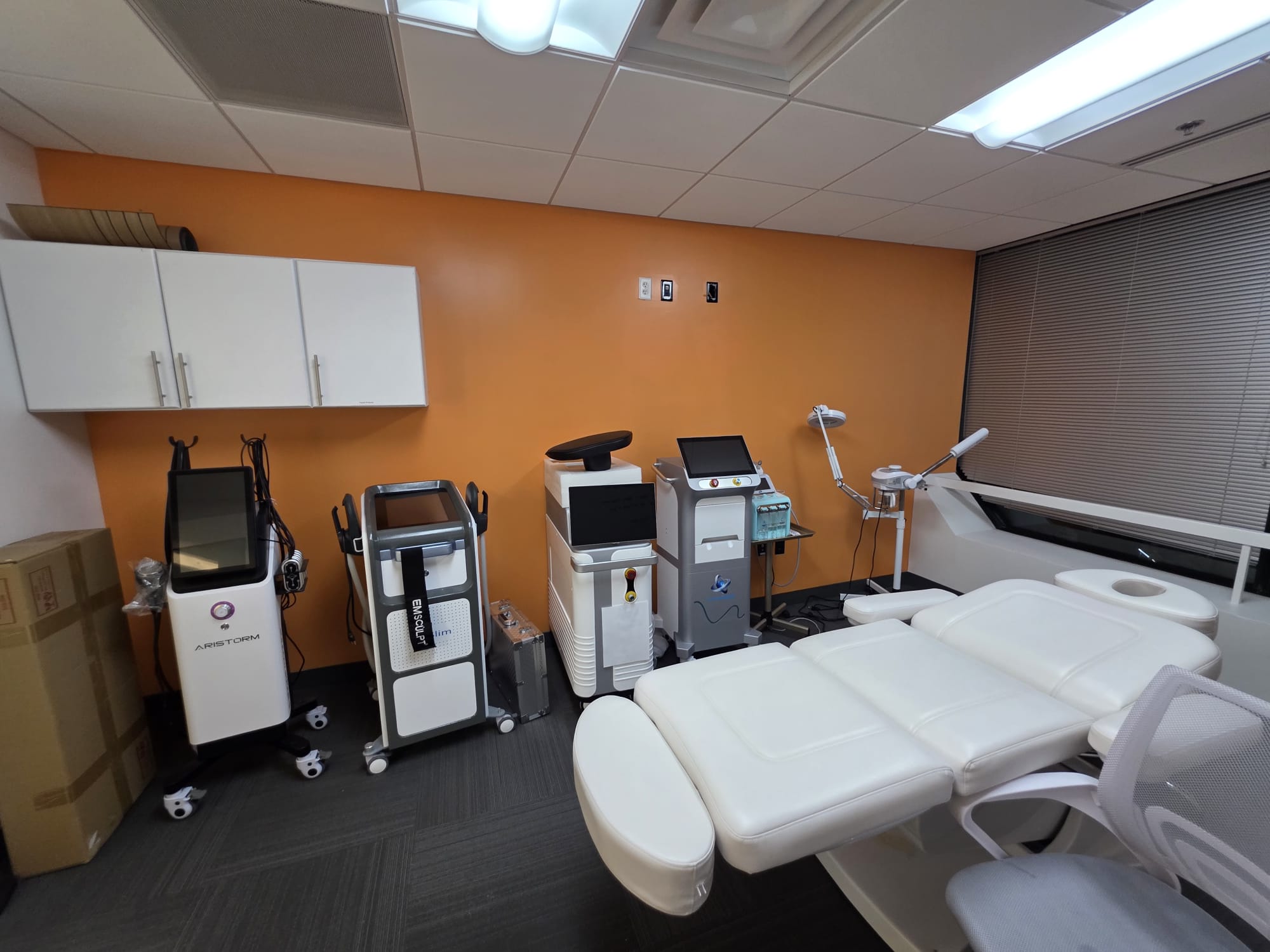
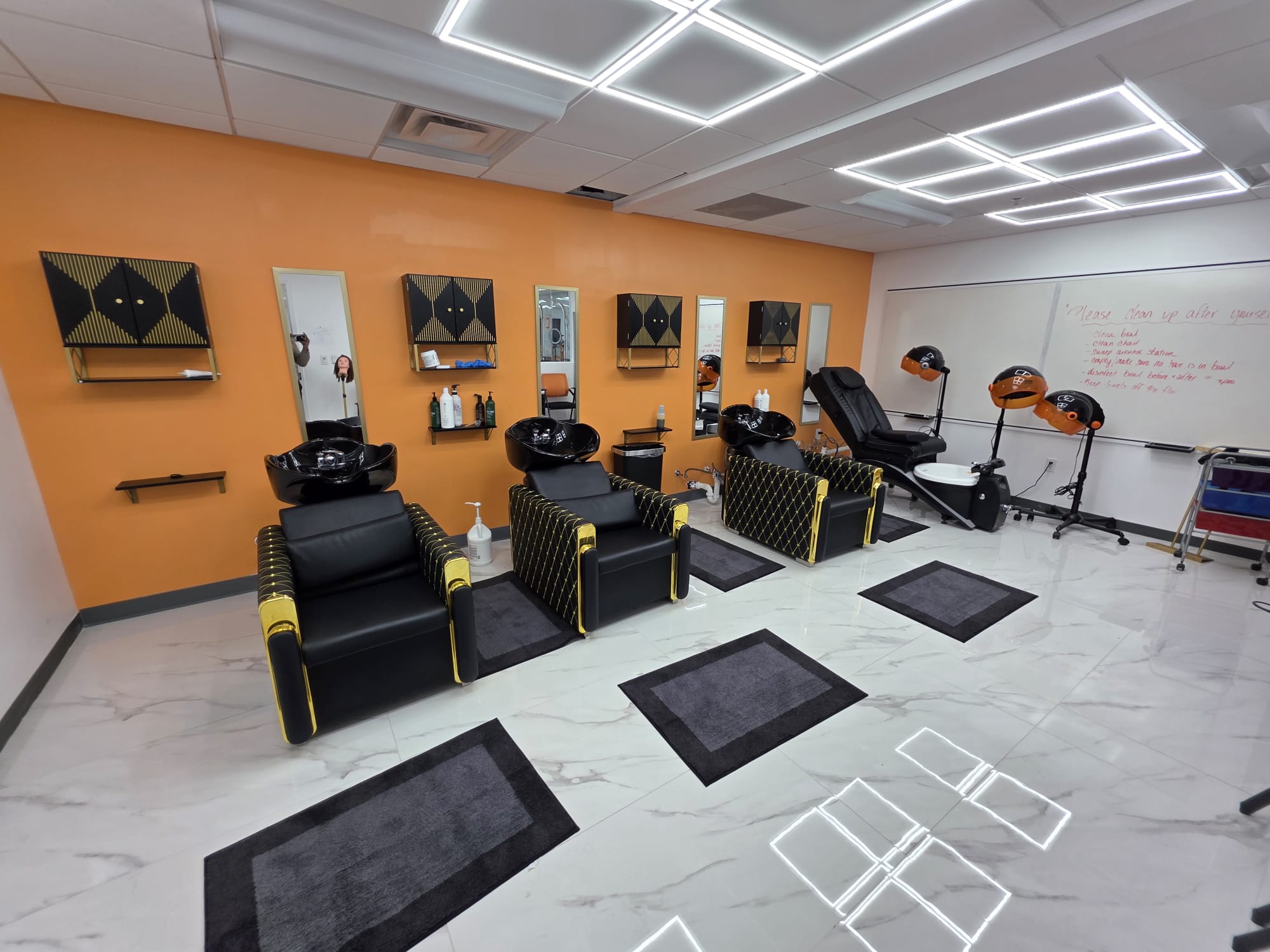
AVI Career Training’s Massage Therapy program is built to meet Virginia’s 500-clock-hour requirement while giving you the practical depth you need to succeed as a working therapist. The program is offered at AVI’s Vienna, VA campus at 1595 Spring Hill Rd #720, Vienna, VA 22182 — centrally located in Fairfax County and easy to reach from across the Northern Virginia metro.

Core Curriculum: The Techniques That Matter

The program covers the essential modalities and foundational knowledge every licensed massage therapist needs:

  • Swedish Massage — the baseline technique for relaxation and circulation
  • Deep Tissue Massage — targeting deeper muscle layers for chronic tension and pain relief
  • Sports Massage — focused on performance, recovery, and injury prevention
  • Anatomy & Physiology — understanding the body you’re working on is non-negotiable
  • Kinesiology — how muscles and joints move, and how manipulation affects them
  • Pathology — knowing when to work and when to refer a client out
  • Ethics & Professional Standards — boundaries, scope of practice, and client communication
  • MBLEx Preparation — integrated throughout the program, not just tacked on at the end

Hands-On Clinic Experience

A significant portion of AVI’s program takes place in hands-on clinical settings. You’ll work with real clients under the supervision of licensed instructors, building the technical skill and interpersonal confidence that textbook study alone can’t give you. By the time you graduate, you won’t just be ready for the MBLEx — you’ll be ready to work.

Who This Program Is For

AVI’s Massage Therapy program attracts a wide range of students: career changers in their 30s and 40s looking for more meaningful work, recent graduates who want a credential without a four-year degree, military veterans transitioning to civilian careers, and people with a genuine passion for health and wellness who are ready to turn that interest into income.


Meet Danielle. She spent eight years as an administrative assistant in a law firm before realizing she wanted a career that involved helping people in a more direct, physical way. She’d always been interested in wellness, but assumed she’d need years of school and student loan debt to make a change. A friend mentioned AVI’s Massage Therapy program. Within months, Danielle had completed her 500 clock hours, passed the MBLEx, and accepted a position at a medical spa in McLean. “I was terrified I was too old to start over,” she says. “But AVI made it feel possible — and fast.”


Learn more about AVI Career Training’s programs and start your application here.


Career Outlook for Massage Therapists in Northern Virginia

The Northern Virginia and DC metro area is one of the strongest markets in the country for massage therapy. High disposable incomes, a dense concentration of health-conscious professionals, a robust medical and wellness sector, and a large active-duty and veteran population all drive consistent demand for licensed massage therapists.

What Massage Therapists Earn in the DC Metro Area

According to the U.S. Bureau of Labor Statistics (Occupational Employment and Wage Statistics, SOC 31-9011, May 2023), the national median annual wage for massage therapists is $49,860. The Washington-Arlington-Alexandria metropolitan area consistently reports wages above the national median — driven by the region’s higher cost of living, employer competition, and concentration of premium wellness and medical facilities. Pull the current metro-specific figure directly from bls.gov/oes at time of publication for the most accurate number.

(U.S. Bureau of Labor Statistics, Occupational Outlook Handbook, 2023–24 edition)

Job Growth: A Field on the Rise

The BLS projects employment of massage therapists to grow approximately 18–19% through 2032 — a rate significantly faster than the average for all occupations. That growth is driven by increasing consumer interest in preventive health care, physical therapy integration, sports recovery, and wellness tourism. The demand for licensed massage therapists isn’t going away. It’s accelerating.

Where Do Licensed Massage Therapists Work?

In Northern Virginia, licensed massage therapists find work across a wide range of settings:

  • Medical spas and wellness centers — increasingly common in Tysons, Reston, and Arlington
  • Chiropractic and physical therapy offices — where massage is an integrated treatment modality
  • Luxury hotels and resorts — strong presence in the DC metro corridor
  • Sports and fitness facilities — including gyms, athletic clubs, and sports medicine clinics
  • Private practice — self-employed therapists who build their own client base

The flexibility of this career is a genuine asset. You can work full-time for an employer with benefits, build a part-time practice around other commitments, or scale into full independent practice over time. That kind of career architecture is rare.

Is Massage Therapy School Worth It?

For most students in Northern Virginia, the answer is yes — and the math supports it. A focused program like AVI’s requires a fraction of the time and cost of a four-year degree. You exit with a portable, state-issued license, a nationally recognized credential (MBLEx), and entry into a field with above-average growth and real earning potential in one of the country’s highest-demand markets.

The question isn’t really whether massage therapy is worth it. The question is whether you’re ready to do the work to get there.


Consider Marcus, a former Army medic who separated from service after 10 years and wasn’t sure what came next. He had hands-on medical training and genuinely cared about people’s physical wellbeing — but he didn’t want to spend years in a traditional college program. A VA benefits advisor pointed him toward AVI’s Massage Therapy program and its GI Bill® acceptance. Marcus enrolled, completed the program, and is now working at a sports medicine clinic in Fairfax — using skills that directly translated from his military training into a civilian career he’s proud of.


Financial Aid, GI Bill®, and How to Apply at AVI

One of the most common barriers people name when considering massage therapy school isn’t the curriculum or the commitment — it’s the cost. AVI Career Training works hard to make sure money isn’t what stands between you and a career you want.

Federal Financial Aid (Title IV)

AVI Career Training participates in Title IV federal financial aid programs. If you qualify, you may be eligible for:

  • Pell Grants — federal grants that don’t need to be repaid, awarded based on financial need
  • Federal student loans — subsidized and unsubsidized options depending on your eligibility
  • Federal Work-Study — in applicable cases

Completing the FAFSA (Free Application for Federal Student Aid) is the starting point for all federal aid. AVI’s admissions team can walk you through the process if it’s unfamiliar territory.

GI Bill® Benefits at AVI

AVI Career Training accepts GI Bill® benefits — including the Post-9/11 GI Bill® — making it one of the few massage therapy schools in Northern Virginia and Fairfax County where veterans can apply their earned education benefits directly. If you’ve served and you’re transitioning to a civilian career, this is a significant funding path worth exploring.

GI Bill® is a registered trademark of the U.S. Department of Veterans Affairs. More information about education benefits is available at va.gov.

Veterans and active-duty service members with questions about benefits eligibility should contact AVI’s admissions team directly at (703) 943-9841.

Additional Payment Options

AVI offers payment plans and additional funding options. The admissions team is transparent about total program costs and will help you build a financial plan that makes training realistic for your situation. There are no surprises in the billing process.

How to Apply

Applying to AVI’s Massage Therapy program is simple. The process starts online, and the admissions team is available to answer questions about program fit, scheduling, financial aid, and next steps.

Here’s how to get started:

  1. Submit your application — it takes just a few minutes
  2. Connect with admissions — discuss program options, costs, and your timeline
  3. Complete your financial aid process — FAFSA, GI Bill®, or payment plan
  4. Start your training — and take the first real step toward licensure

Apply now at AVI Career Training — your massage therapy career starts here.

Or call us directly at (703) 943-9841 to speak with someone on the admissions team.


Your Next Step Starts in Vienna, Virginia

Northern Virginia is one of the best places in the country to build a massage therapy career. The market is strong, the demand is real, and the earning potential is above average. What you need is the right training — accredited, hands-on, and led by instructors who know this field.

AVI Career Training gives you all of that. COE-accredited. SCHEV-certified. GI Bill® accepted. Located in Vienna, VA, in the heart of Fairfax County, and built to take you from first-day student to licensed professional on a timeline that respects your life.

The path to becoming a licensed massage therapist in Virginia is clear. The school is right here.

Start your application today.


Verify current Virginia licensing requirements at dpor.virginia.gov before enrolling. All salary data sourced from the U.S. Bureau of Labor Statistics; verify current figures at bls.gov.

Article details:

Share: