
Laser Technician Career Guide for the DMV Area
A laser technician career in the DMV area offers one of the most competitive compensation packages in the beauty and wellness industry — with experienced technicians in Northern Virginia and DC earning $60,000–$90,000 or more in medical spa and clinical settings. If you’re researching this field as a first career or a professional pivot, you’re looking at a fast-growing, technology-driven path that sits squarely at the intersection of healthcare and beauty.
This guide covers everything you need to know: what the job actually involves, how Virginia regulates laser operators, what the local salary landscape looks like, and exactly how to get started — including where to train right here in Northern Virginia.
Ready to take the first step? Apply to AVI Career Training and speak with an admissions advisor about the best pathway for your background.
Key Takeaways
- Laser technicians in the DC metro area can earn an estimated $50,000–$90,000+, significantly above the national median for skincare specialists.
- Virginia does not issue a standalone laser technician license — laser use is regulated under physician oversight protocols through the Virginia Board of Medicine.
- The BLS projects 17% growth for skincare specialists through 2032 — nearly three times the average for all occupations.
- Many laser roles require or strongly prefer candidates with a background in esthetics — Virginia esthetics licensure requires 1,500 clock hours of approved training.
- AVI Career Training in Vienna, VA offers a Cosmetic Laser Technology program with hands-on training, COE accreditation, and GI Bill® acceptance.
What Does a Laser Technician Actually Do?
Laser technicians use medical-grade laser and light-based devices to treat a wide range of skin and body concerns. This is a clinical, hands-on role that requires technical precision, an understanding of skin physiology, and strong client communication skills.
Common procedures laser technicians perform include:
- Laser hair removal — the most in-demand service, using targeted light energy to reduce or eliminate unwanted hair across all skin tones
- Skin rejuvenation — treating fine lines, texture, and overall skin quality using fractional and non-ablative laser platforms
- Pigmentation treatment — addressing sunspots, melasma, and hyperpigmentation with IPL (intense pulsed light) or specific wavelength lasers
- Tattoo removal — using Q-switched and picosecond lasers to break down ink particles safely
- Acne and vascular treatments — reducing active breakouts, redness, and visible vessels with targeted energy
This is not the same role as a traditional esthetician working with facials and chemical peels. Laser technology is a healthcare-adjacent specialty. Many employers — particularly medical spas and dermatology practices — look for technicians who understand anatomy, tissue response, and contraindications at a clinical level.
That’s what makes this career path both more demanding and more financially rewarding than general esthetics work.
Virginia Licensing Requirements: What You Need to Know Before You Start
This is where many prospective laser technicians get confused — and understandably so. Virginia’s regulatory framework for laser operators is more nuanced than a straightforward state license.
Virginia Does Not Issue a Standalone Laser Technician License
Unlike some states that have a defined “laser technician” credential, Virginia does not issue a standalone laser operator license through the Department of Professional and Occupational Regulation (DPOR). Instead, laser use in Virginia falls under the oversight authority of the Virginia Board of Medicine.
What this means in practice: laser technicians in Virginia typically must operate under a medical director agreement with a licensed physician. The physician takes legal and clinical responsibility for the protocols used in the facility, and the technician performs treatments within those approved parameters.
If you’re planning to work in a medical spa, dermatology clinic, or any setting that uses Class IV (high-powered) laser devices, you will almost certainly need to work under this kind of physician oversight structure.
Class III vs. Class IV Lasers
Not all lasers are created equal — and the distinction matters for your career path.
- Class III lasers (also called Class IIIb) are lower-powered devices used in some light therapy and lower-energy treatments. These may be operated with fewer restrictions in certain settings.
- Class IV lasers are high-powered medical devices used for hair removal, resurfacing, tattoo removal, and other ablative treatments. Operating Class IV equipment in Virginia virtually always requires physician oversight.
Most laser hair removal and skin treatment roles you’ll find in the DMV area involve Class IV equipment. Plan accordingly.
The Role of Esthetics Licensure
While Virginia doesn’t require a specific laser license, the vast majority of employers — and most reputable training programs — require or strongly prefer candidates who hold a Virginia esthetics license.
Esthetics licensure in Virginia requires 1,500 clock hours of approved training through a SCHEV-certified school, followed by passing both a written and practical exam administered through PSI Exams. That foundation in skin physiology, contraindications, and client safety is directly applicable to laser work.
If you don’t yet hold an esthetics license and want to pursue laser technology, getting that credential first is the most practical and marketable path — and AVI offers both programs under one roof.
Ready to explore your options? Apply to AVI Career Training and speak with an admissions advisor about the best pathway for your background.
Laser Technician Salary and Job Outlook in the DC Metro Area
One of the strongest arguments for pursuing a laser technician career in the DMV is the earning potential — especially compared to the national average.
How Laser Technicians Are Classified
The Bureau of Labor Statistics classifies laser technicians under Skincare Specialists (SOC 39-5094). The national median salary for this category is approximately $42,000 per year (BLS, May 2023). But that national number doesn’t tell the full story for the DC metro area.
DMV-Specific Salary Estimates
Wages in Northern Virginia, DC, and Maryland consistently run 15–25% above the national median for skincare and beauty occupations, driven by higher cost of living, strong consumer spending, and dense concentration of medical spas and aesthetic clinics.
Here’s what salary ranges look like across different settings in the DMV:
| Setting | Estimated Salary Range |
|---|---|
| Entry-level (spa/salon) | $42,000 – $55,000 |
| Mid-level (medical spa) | $55,000 – $75,000 |
| Experienced / certified (clinical) | $70,000 – $90,000+ |
Technicians who hold advanced certifications, work in high-volume medical spa environments, or earn commission on services and retail sales can push compensation well above the $90,000 mark. Some practices also offer performance bonuses, tips, and benefits packages.
Real-World Example: A Career Pivot That Pays
Consider someone like Marcus — a 34-year-old who spent a decade working in retail management before enrolling in AVI’s Cosmetic Laser Technology program. He came in with no beauty industry background, completed his foundational esthetics training, and then added laser certification. Within eight months of finishing his training, he landed a position at a medical spa in Tysons Corner performing laser hair removal and IPL treatments. Today, between his hourly rate and commission structure, he earns more than he did managing a retail team — and he no longer works weekends.
That kind of career transition is realistic in the DMV market. The demand is real, the wages are competitive, and the barrier to entry — compared to a four-year degree — is genuinely low.
Job Outlook Through 2032
The BLS projects 17% growth for skincare specialists through 2032. That’s nearly three times the average growth rate projected for all occupations nationally. Consumer demand for non-invasive aesthetic treatments continues to climb, and medical spas are one of the fastest-growing segments of the healthcare service industry.
In the DMV, where disposable income is high and aesthetic clinics are abundant, that growth translates directly into job openings.
How to Become a Laser Technician in Northern Virginia: Step-by-Step
Here’s the clearest roadmap available for someone pursuing a cosmetic laser technician career DMV-area residents can actually follow.
Step 1: Build Your Esthetics Foundation (If You Haven’t Already)
Most laser positions in Virginia require or strongly prefer a licensed esthetician background. If you don’t have one, this is your starting point.
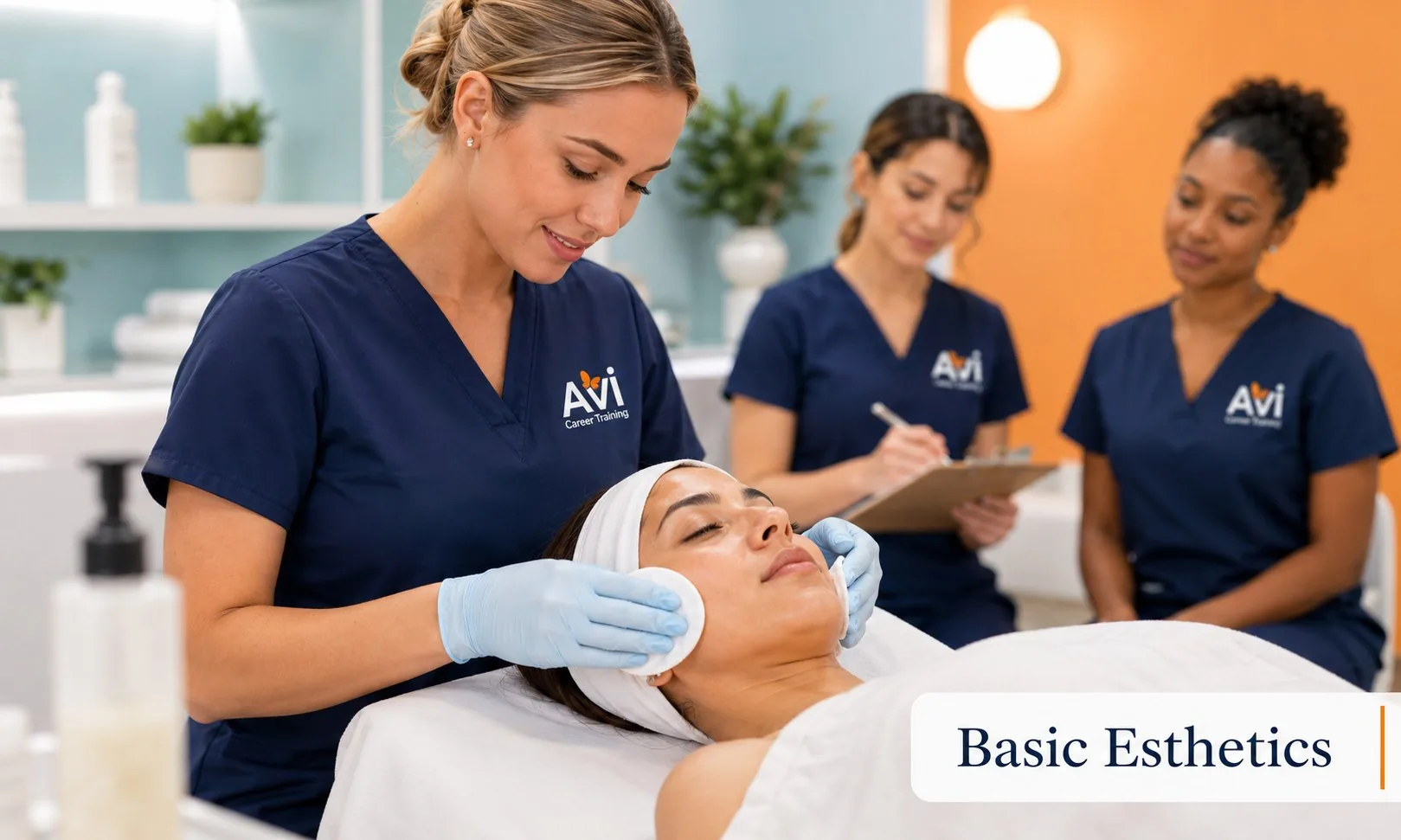
Enroll in a SCHEV-certified esthetics program that meets Virginia’s 1,500-hour requirement. AVI Career Training offers a Basic Esthetics program and a Master Esthetics program at its Vienna, VA campus. Both programs include hands-on clinical training and prepare you to sit for the Virginia State Board written and practical exams through PSI Exams.
If you’re already a licensed esthetician — in Virginia or another state — you may be able to move directly into a laser-specific program depending on reciprocity and employer requirements.
Step 2: Choose a Laser-Specific Training Program
Not all laser training programs are equal. Look for a program that offers:
- Hands-on training with actual laser equipment — not just classroom instruction
- Coverage of multiple modalities — hair removal, IPL, skin rejuvenation, and safety protocols
- Industry-recognized curriculum — aligned with national standards for laser operator training
- Accreditation or certification eligibility — programs that prepare you for credentials like Laser Safety Officer (LSO) certification
AVI Career Training’s Cosmetic Laser Technology program checks all of these boxes. The program is offered at AVI’s Vienna campus and is designed to prepare graduates for employment in medical spas, dermatology clinics, and cosmetic surgery practices across the DMV.
(Contact AVI directly to confirm current program hours, schedule, and tuition — details are updated regularly.)
Step 3: Complete Your Clinical Hours and Hands-On Training
The difference between a good laser technician and a great one is almost always hands-on practice. You need real experience treating real clients on a range of skin tones — including Fitzpatrick skin types IV, V, and VI, which require careful parameter adjustments and technique modifications.
AVI’s curriculum is built around inclusive training. Students practice on a diverse client base, which directly prepares them for the diverse DMV-area market.
This hands-on foundation also protects your clients. Laser energy is powerful, and improper use can cause burns, hyperpigmentation, or scarring. Employers and medical directors know this — they prioritize candidates who trained rigorously.
Step 4: Pursue Industry Certifications
While Virginia doesn’t issue a standalone laser technician license, industry certifications significantly boost your employability and earning potential. Options to explore include:
- Laser Safety Officer (LSO) certification — focused on safe operation, hazard controls, and regulatory compliance
- NCEA (National Coalition of Estheticians Associations) certification — nationally recognized credential for esthetics professionals
- Manufacturer-specific training — many laser device manufacturers (Cutera, Lumenis, Sciton, Syneron-Candela) offer hands-on training and certificates for specific platforms
Employers in clinical settings — especially those operating under medical director supervision — value candidates who demonstrate commitment to safety and continuing education.
Step 5: Understand the Medical Director Requirement Before You Job Search
Before you start applying, understand that most legitimate Class IV laser positions in Virginia require the facility to have a medical director agreement in place. This isn’t a burden on you as the technician — it’s actually a feature. It means you have physician-level oversight for clinical questions, access to standing orders and protocols, and legal clarity on your scope of practice.
When evaluating job offers, ask:
– Does this facility have a medical director agreement?
– What protocols govern the treatments I’ll be performing?
– What ongoing training or certification support does the employer provide?
A reputable medical spa or clinic will have clear answers to all three questions.
Frequently Asked Questions About Laser Technician Careers in Virginia
How Do You Become a Laser Technician in Virginia?
The most common pathway is to first earn a Virginia esthetics license (1,500 hours of approved training + written and practical exams), then complete a laser-specific training program at an accredited school. Most employers also require you to work under a physician medical director agreement once you’re on the job.
How Much Does a Laser Technician Make in the DC Area?
Entry-level positions in spas and salons typically start around $42,000–$55,000 per year. Experienced technicians in medical spa and clinical settings in Northern Virginia and DC can earn $70,000–$90,000 or more, especially with commission structures and advanced certifications.
Do Laser Technicians Need a Medical License in Virginia?
No — laser technicians are not required to hold a medical license. However, in Virginia, practitioners using Class IV medical laser devices typically must work under a licensed physician’s medical director agreement. The physician provides oversight of protocols; the technician performs the treatments.
Is Laser Technician a Good Career in 2025?
Yes — and the data supports it. The BLS projects 17% growth for skincare specialists through 2032, consumer demand for non-surgical aesthetic treatments continues to rise, and DMV-area wages are well above the national average. It’s one of the stronger career options in the beauty and wellness space for someone seeking clinical work without a four-year degree.
What Is the Difference Between a Laser Technician and an Esthetician?
An esthetician provides non-invasive skin treatments — facials, chemical peels, waxing, and similar services. A laser technician uses medical-grade laser and light-based devices for treatments like hair removal, skin resurfacing, and pigmentation correction. The two roles often overlap, and esthetics training is frequently a prerequisite for laser technician positions. Some professionals hold both credentials.
Why Train at AVI Career Training in Vienna, VA
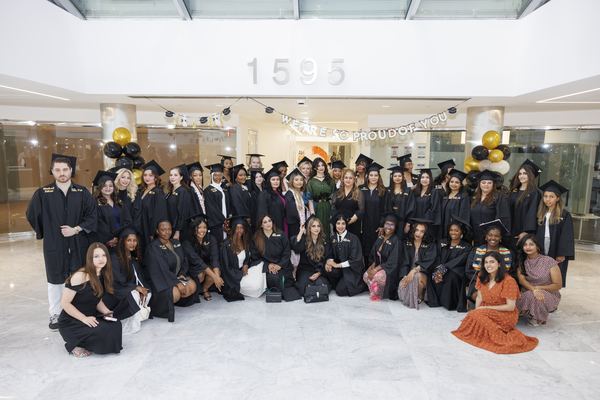
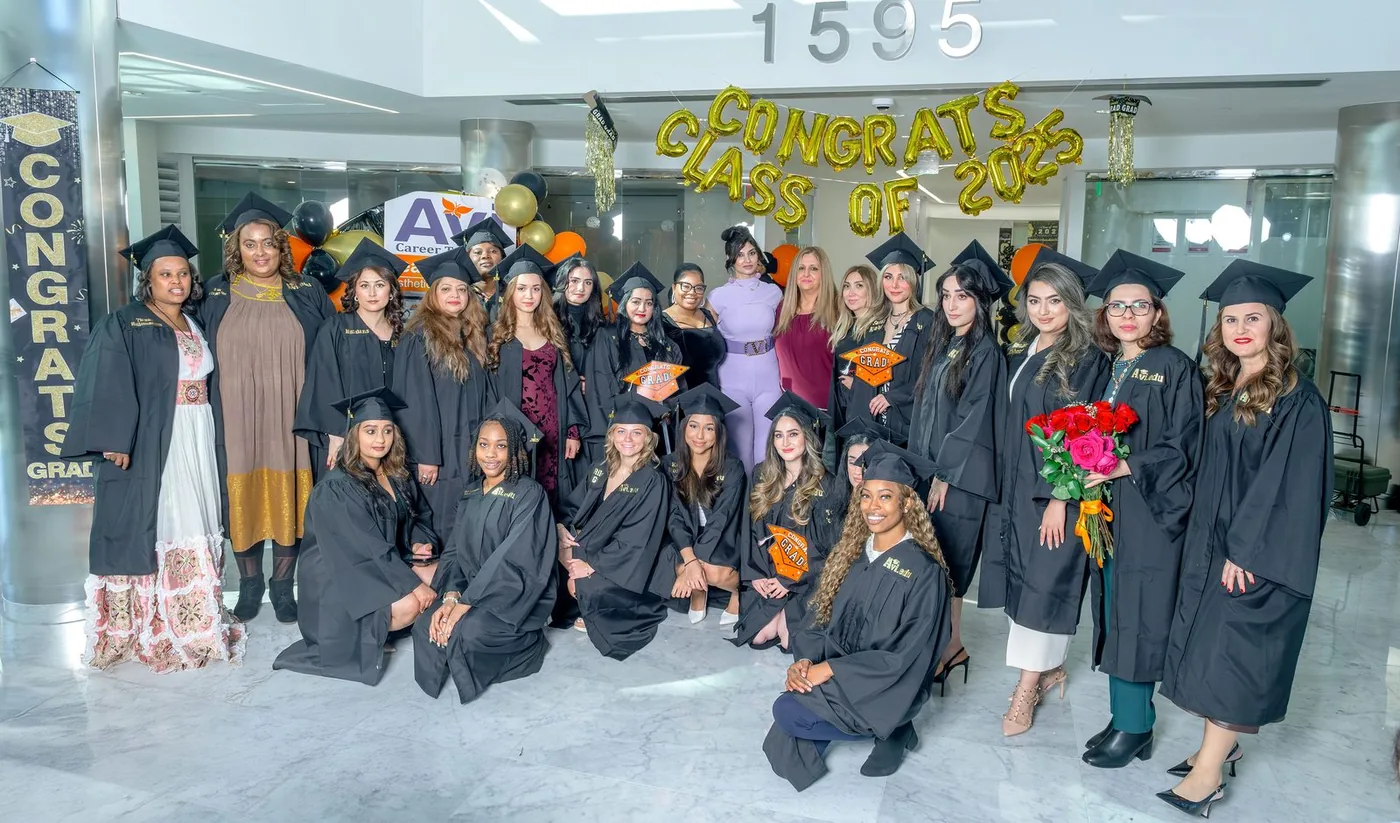
AVI Career Training is a COE-accredited, SCHEV-certified beauty and wellness school located at 1595 Spring Hill Rd #720, Vienna, VA — in the heart of Northern Virginia. For students pursuing a laser technician career in the DMV, AVI offers one of the most accessible and comprehensive training pathways in the region.
Hands-On Training That Prepares You for Real Clinics
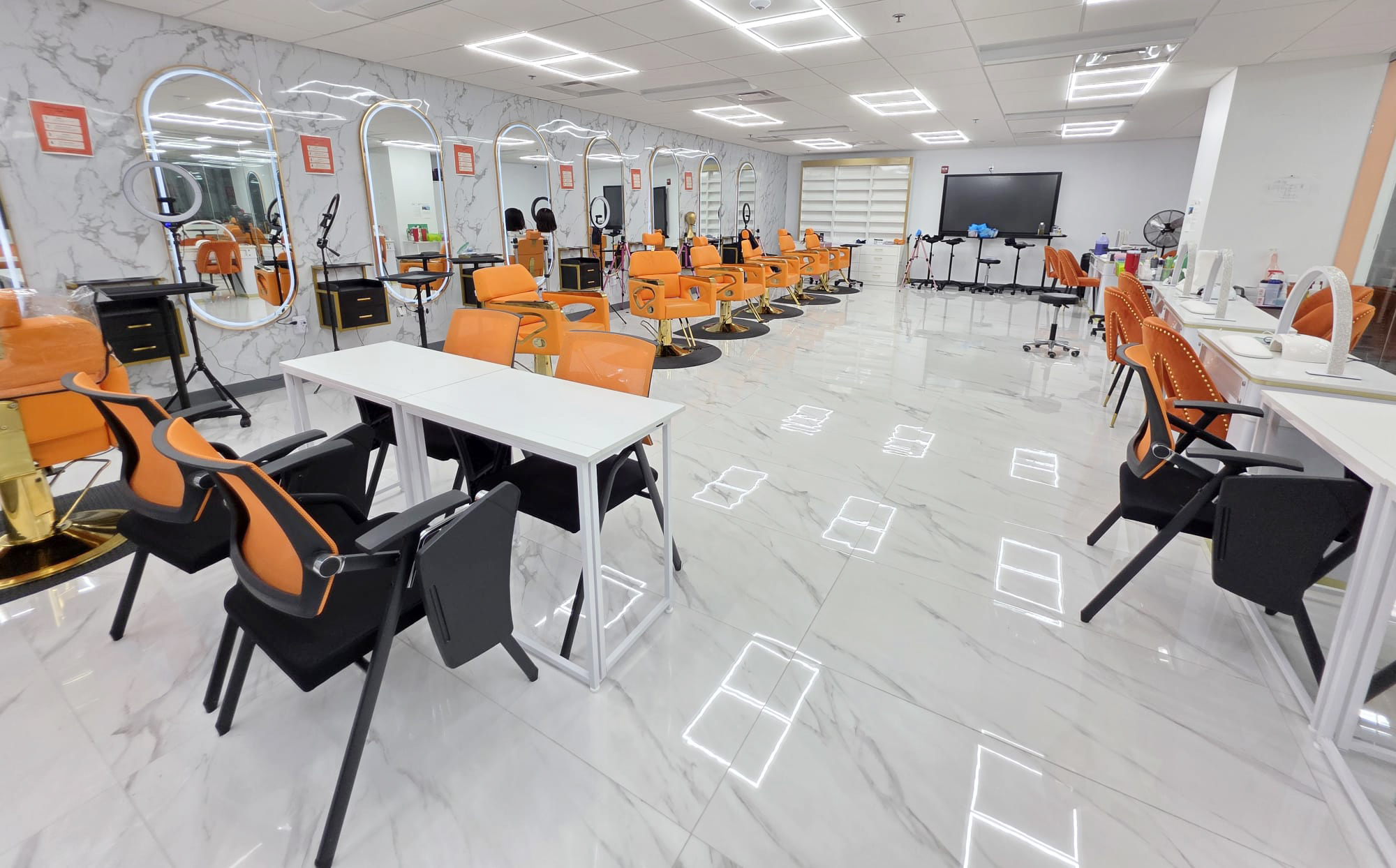
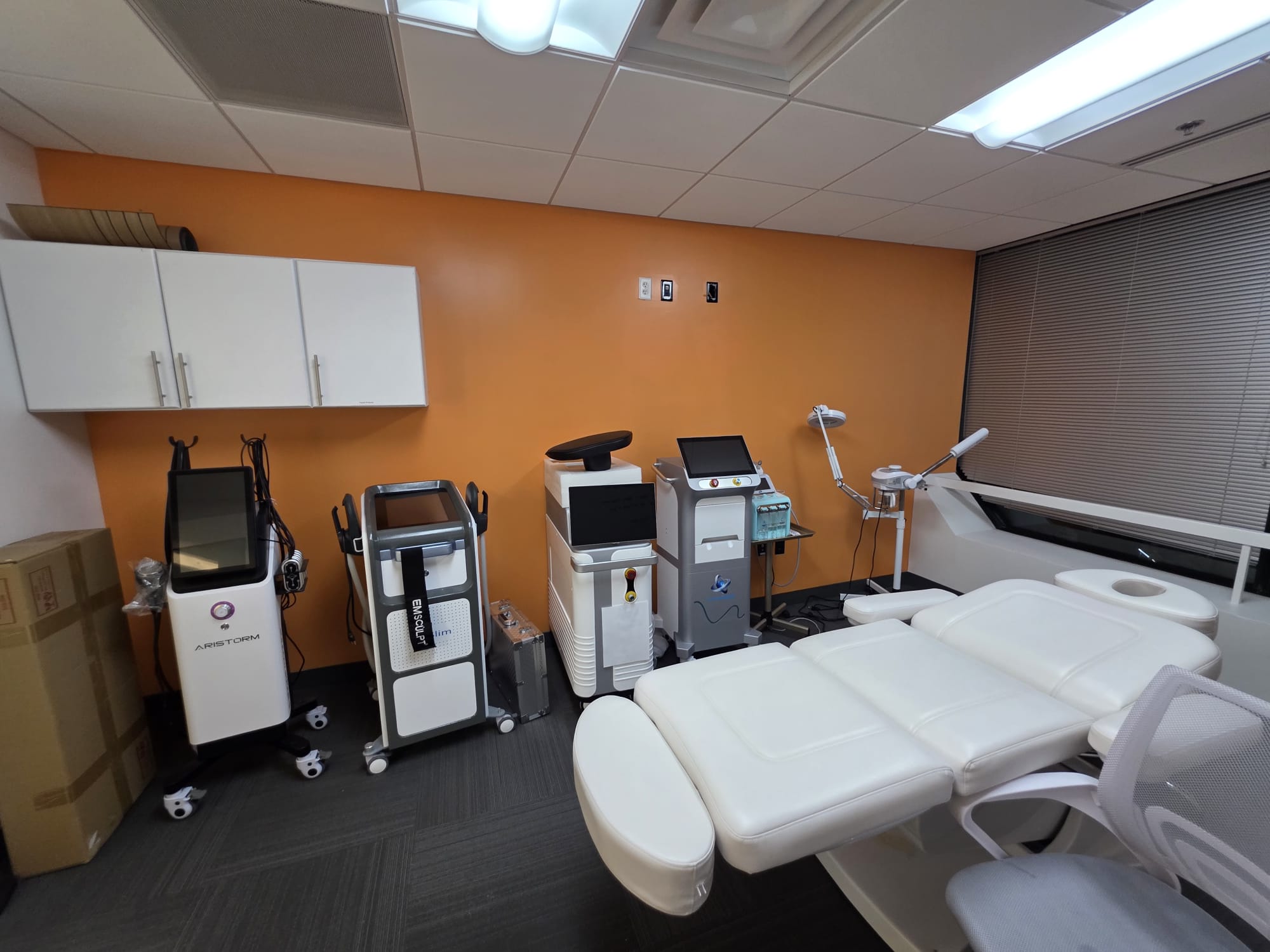
AVI’s Cosmetic Laser Technology program is built around practical skill development. You won’t spend your entire program in a classroom watching demonstrations. You’ll work with actual laser equipment, treat real clients, and build the hands-on competency that medical spa employers look for when they hire.
Inclusive Training for a Diverse Market
AVI is built on the belief that beauty education should serve everyone — and train students to serve everyone. The DMV area is one of the most demographically diverse markets in the country. AVI’s curriculum includes training on all Fitzpatrick skin types, giving you the technical confidence to treat every client safely and effectively. That’s a competitive advantage when you’re sitting across from a hiring manager at a Tysons Corner or Bethesda medical spa.
A Real-World Example of What’s Possible
Take someone like Priya — a 28-year-old nurse’s aide who loved skincare but wanted more control over her schedule and earning potential. She enrolled in AVI’s esthetics program, completed her 1,500 hours of training, passed her Virginia State Board exams, and then added laser technology training. Within six months of finishing, she was working at a dermatology-adjacent medical spa in McLean, earning more than she had in clinical support work — with a schedule she built around her family. Laser training didn’t just change her career. It changed her relationship with work entirely.
COE Accreditation and Financial Aid
AVI is accredited by the Council on Occupational Education (COE) — the accrediting body recognized for vocational and technical career schools. This accreditation matters for two reasons: it signals educational quality to employers, and it makes students eligible for federal financial aid.
Financial aid is available for eligible students. AVI also accepts the GI Bill® — including the Post-9/11 GI Bill — making this an accessible option for veterans and active-duty service members transitioning into civilian careers.
Location and Accessibility
Located in Vienna, VA, AVI is convenient to students throughout the Northern Virginia, DC, and Maryland corridor — including Tysons, McLean, Reston, Arlington, Fairfax, and the broader DMV area. If you’re searching for a cosmetic laser technology school near you in Northern Virginia, AVI is as close as it gets.
Your Next Step
The laser technician career path in the DMV is one of the most financially compelling options in beauty and wellness — with strong wages, fast-growing demand, and a clinical environment that appeals to people who want more than a traditional spa job.
Whether you’re starting from zero or you’re already a licensed esthetician looking to add a powerful specialization, AVI Career Training can help you get there.
Apply to AVI Career Training today and take the first step toward a career in cosmetic laser technology — right here in Vienna, VA.
Questions? Call AVI directly at (703) 943-9841 or reach out online. An admissions advisor will walk you through program options, financial aid eligibility, and next steps.
External resources: Bureau of Labor Statistics — Skincare Specialists | Virginia Board of Medicine