AVI Career Training

Esthetician Treatments: Specializations That Pay

Not all esthetician treatments pay the same. Learn which specializations—from dermaplaning to traveling esthetician services—command premium rates and open doors to six-figure earning potential.

Share:

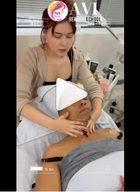
A skincare professional in a white coat, face mask, and hair net performs a facial treatment on a client lying down with eyes closed, surrounded by skincare products.

Summary:

The esthetician field offers far more than basic facials. This guide explores the most lucrative treatment specializations available to licensed estheticians, including mobile esthetician services, dermaplaning certification, and organic skincare paths. You’ll discover which esthetician treatments command the highest rates, what training prepares you for advanced procedures, and how our comprehensive program at AVI Career Training positions graduates for success across multiple high-demand career paths in Fairfax County’s thriving beauty market.

You didn’t get into esthetics to stay stuck doing the same basic facials for the same flat rate. You want options. Growth. The ability to charge what you’re actually worth and build a career that fits your life, not the other way around.

Here’s what most esthetician programs won’t tell you upfront: the treatments you specialize in directly determine your income ceiling and career flexibility. Some estheticians earn $35,000 doing entry-level spa work. Others clear $70,000 to $100,000+ by mastering high-demand specializations like medical esthetics, mobile services, or advanced corrective treatments.

The difference isn’t talent. It’s training and specialization. Let’s talk about the esthetician treatments that actually pay—and how the right education prepares you to offer them confidently.

What Esthetician Treatments Are Most In-Demand Right Now

The beauty industry has evolved. Clients today aren’t looking for relaxation-only experiences. They want results. Measurable improvements in their skin through esthetician treatments that address specific concerns like hyperpigmentation, aging, acne scarring, and texture issues.

This shift has created serious opportunity for estheticians who go beyond the basics. Medical spas and dermatology offices now employ estheticians to perform advanced procedures that were once physician-only territory. High-end spas expect their teams to offer specialized modalities. Even traditional salons are adding advanced esthetician treatments to stay competitive.

The most in-demand services right now include chemical peels, microdermabrasion, LED light therapy, microneedling, and dermaplaning. These procedures require additional training beyond basic licensure, but they also command significantly higher service fees and attract clients willing to invest in their skin health. When you can confidently perform these treatments, you become more valuable to employers and can charge premium rates as an independent practitioner.

Esthetician Dermaplaning: Low Barrier, High Return

Dermaplaning stands out as one of the smartest specializations for estheticians at any career stage. Unlike laser treatments or injectables that require expensive equipment and extensive medical oversight, esthetician dermaplaning certification can be completed in 6-14 hours depending on your state requirements. The startup cost is minimal—you need quality blades, proper technique training, and knowledge of contraindications.

What makes this treatment so profitable is the combination of low overhead and high client demand. Dermaplaning uses a sterile surgical blade to gently exfoliate the epidermis while removing vellus hair, commonly called peach fuzz. Clients see immediate results: smoother texture, brighter tone, better product absorption, and flawless makeup application. That instant gratification translates to strong retention rates and enthusiastic referrals.

The numbers tell the story. A dermaplaning starter kit with supplies for 25 treatments can generate over $3,000 in revenue based on national average pricing. There’s no expensive machinery to purchase or maintain. No complicated protocols that take months to master. Just a precise, methodical technique that becomes second nature with practice.

Dermaplaning also works beautifully as an add-on service. You can incorporate it into existing facials, pair it with chemical peels for enhanced penetration, or offer it as a standalone treatment for clients preparing for special events. This versatility makes it easier to fill your schedule and increase your average ticket price without adding significant treatment time.

Virginia allows licensed estheticians to perform dermaplaning with proper training. At AVI Career Training in Fairfax County, VA, we provide hands-on instruction in advanced facial treatments including dermaplaning techniques, giving our graduates a competitive edge in the area’s premium beauty market where clients actively seek these results-driven esthetician treatments.

An esthetician in Fairfax County, VA, wearing pink gloves, uses an electric nail file on a customer’s fingernails in a salon, with shelves of nail polish bottles visible in the background.

Organic Esthetician: Meeting the Clean Beauty Demand

The clean beauty movement isn’t a passing trend. It’s a fundamental shift in how consumers think about what they put on their skin. Clients are reading ingredient labels, asking questions about formulations, and actively seeking estheticians who understand natural, non-toxic alternatives to conventional treatments.

This creates a distinct career path for the organic esthetician. These professionals specialize in plant-based, chemical-free esthetician treatments that deliver results without harsh synthetic ingredients. They work with brands like Botnia, Dr. Alkaitis, and other organic skincare lines that prioritize botanical ingredients, sustainable sourcing, and minimal processing.

What’s interesting about the organic esthetician specialization is that it’s not about doing less. It’s about doing differently. You’re still performing advanced modalities like LED light therapy, microcurrent, ultrasound, and medical-grade oxygen treatments. You’re just pairing them with clean formulations that appeal to health-conscious, environmentally aware clients who will pay premium prices for treatments aligned with their values.

The organic esthetician path works particularly well in affluent markets like Fairfax County, VA, where clients have both the awareness and the budget to invest in high-quality, sustainable skincare. These aren’t bargain hunters. They’re educated consumers who understand that organic professional products cost more and deliver different—often superior—results compared to conventional alternatives.

Building a practice around organic treatments also gives you a clear differentiation strategy. Instead of competing with every other esthetician offering standard facials, you’re positioning yourself as a specialist in holistic, clean beauty. That makes marketing easier, attracts a specific clientele, and justifies higher service rates.

You don’t need separate licensing to become an organic esthetician, but you do need education. Understanding how botanical ingredients work, which formulations address specific skin concerns, and how to combine organic products with advanced equipment requires training beyond basic esthetics. At AVI Career Training, we incorporate diverse product education—including professional lines like Dermalogica® and IMAGE Skincare®—preparing our students to work confidently with multiple skincare philosophies and meet varied client preferences in Northern Virginia’s competitive market.

Traveling Esthetician: Building a Mobile Business Model

The traveling esthetician model flips the traditional spa employment structure on its head. Instead of renting booth space or working for commission, you bring professional esthetician treatments directly to clients’ homes, offices, hotels, or event venues. No overhead for a physical location. No splitting revenue with a salon owner. Complete control over your schedule, pricing, and service menu.

This isn’t a side hustle. It’s a legitimate business model that experienced estheticians are using to build six-figure incomes. The demand is real and growing. Busy professionals who can’t spare three hours for a spa visit will gladly pay premium rates for a traveling esthetician who comes to them. Brides want their wedding party serviced at the venue. Corporate clients book mobile services for employee wellness events.

The startup costs for a mobile esthetician business typically range from $7,000 to $17,000, covering portable equipment, professional-grade products, liability insurance, business licensing, and transportation setup. That’s significantly less than opening a brick-and-mortar location, and you can start small—renting equipment initially—while building your client base.

What Services Work Best for Mobile Estheticians

Not every spa treatment translates well to mobile delivery. You need to think practically about what you can transport, set up efficiently, and perform to the same quality standards as a traditional treatment room. The most successful traveling estheticians focus on services that don’t require bulky equipment or extensive setup time.

Facials are the foundation of most mobile esthetician businesses. You can perform customized facials using a portable treatment table, professional skincare products, and smaller tools like steamers and magnifying lamps. These esthetician treatments deliver the relaxation and results clients want without requiring complex machinery. Dermaplaning works beautifully in a mobile setting—minimal equipment, dramatic results, and clients love the convenience of getting glowing skin without leaving home.

Waxing services are another mobile-friendly option. Brow shaping, facial waxing, and body waxing require only quality wax, proper technique, and sanitation protocols you can maintain anywhere. Many traveling estheticians build strong recurring revenue from waxing clients who book regular appointments every 4-6 weeks.

Makeup application is perfect for the mobile model, especially for special events. Bridal makeup, prom services, photoshoot preparation, and “girls’ night” makeup parties create opportunities to serve multiple clients at once and charge premium rates for the convenience factor. When you can do a bride and her entire wedding party on-site, you’re providing value that justifies significantly higher pricing than salon rates.

Chemical peels and LED light therapy can work in mobile settings if you have portable equipment and proper training. These advanced esthetician treatments command higher fees and attract clients specifically seeking results-driven services. The key is having reliable, professional-grade portable tools and the confidence to perform treatments outside a traditional spa environment—exactly the kind of comprehensive training we provide at AVI Career Training through hands-on practice with professional equipment.

What you typically can’t offer as a traveling esthetician are services requiring large, expensive equipment like certain laser treatments, advanced microcurrent machines, or procedures needing medical oversight. That’s fine. There’s more than enough demand for the services you can provide to build a thriving mobile business.

A smiling nail technician and her client enjoy a cheerful moment in a well-lit VA salon. The esthetician, wearing black gloves, carefully files nails as the client relaxes on a cushioned pad, reflecting the warmth of an Esthetician Fairfax County professional.

Legal and Practical Considerations for Mobile Esthetician Services

Before launching a traveling esthetician business, you need to understand the legal landscape in your state. Requirements for mobile esthetician services vary significantly across the country. Some states allow complete freedom to operate mobile services with just your standard esthetician license. Others require additional permits, business licenses, or restrict mobile services to specific client populations like homebound or ill individuals. A few states prohibit off-site esthetic services entirely.

Virginia allows licensed estheticians to provide mobile services, but you need to verify current regulations with the Virginia Board for Barbers and Cosmetology and ensure you’re operating within your scope of practice. This isn’t optional research—practicing outside legal boundaries can jeopardize your license and your business.

Insurance is non-negotiable for any traveling esthetician. You need professional liability coverage as a baseline, but mobile services often require additional policies. Your standard esthetician liability insurance might not cover you when working in clients’ homes or traveling between locations. You’ll want coverage for equipment theft, damage during transport, and potential issues arising from providing services in non-traditional settings. These policies exist specifically for mobile beauty professionals, and the investment protects everything you’re building.

The practical side of mobile esthetics requires systems. You need reliable scheduling software that handles online booking, sends automated reminders, and manages your route planning so you’re not wasting time and gas driving inefficiently between appointments. Payment processing has to work seamlessly—mobile card readers, Venmo, PayPal, and the ability to accept deposits when clients book.

Sanitation protocols become more complex when you’re working in different environments daily. You need portable sanitization supplies, disposable materials where appropriate, and clear procedures for cleaning and disinfecting your tools between clients. Professional standards don’t change just because you’re working in someone’s living room instead of a spa treatment room.

Time management makes or breaks mobile esthetician businesses. You have to account for drive time between appointments, setup and breakdown time, and realistic service durations. Overbooking yourself leads to rushed treatments, late arrivals, and unhappy clients. Successful traveling estheticians build buffer time into their schedules and set clear boundaries about service areas to keep travel manageable.

The beauty of the traveling esthetician model is that it gives you options. You can run it as your full-time business, use it to supplement spa employment, or start part-time while building your client base. Many of our graduates at AVI Career Training leverage their comprehensive education in multiple treatment modalities to create diverse mobile service menus that attract different client segments and maximize income potential across Fairfax County, VA’s affluent residential areas.

Which Esthetician Treatment Specialization Is Right for You

The esthetician treatments you choose to specialize in will shape your entire career trajectory. Medical esthetics offers the highest earning potential but requires working in clinical settings under physician oversight. Mobile services provide maximum flexibility and entrepreneurial control. Dermaplaning gives you a high-profit specialty with minimal equipment investment. Organic esthetics positions you in the growing clean beauty market with premium-paying clientele.

None of these paths are wrong. They’re just different. What matters is matching your specialization to your actual goals—not what sounds impressive, but what fits the lifestyle you want and the income you need. The good news is you don’t have to choose just one. Many successful estheticians combine specializations, offering dermaplaning and organic facials in a mobile business model, or working part-time in a medical spa while building an independent practice.

What you do need is proper training. The estheticians commanding $70,000 to $100,000+ aren’t just more talented. They invested in comprehensive education that prepared them for multiple treatment modalities and gave them the confidence to perform advanced procedures independently. If you’re serious about building a career in esthetics—not just getting a license—the quality of your training program matters more than almost any other factor. We’ve spent over 35 years at AVI Career Training preparing estheticians for exactly these opportunities in Fairfax County, VA and beyond.

Article Details:

Article details:

Share: