Summary:
What Makes a Cosmetology Program Relevant in 2026
The beauty industry moves fast. What worked five years ago doesn’t always translate to what clients expect today. Trends shift. Products evolve. Client priorities change from Instagram-worthy styles to wellness-focused, sustainable beauty.
A strong cosmetology program doesn’t just teach you how to cut hair or apply makeup. It prepares you for the version of the industry you’ll actually work in, not the one that existed when your textbook was written. That means understanding healthy-first beauty trends, clean product formulations, digital presence, and the business side of running a chair or booth.
In Northern Virginia, clients have options. They’re informed, they follow trends on social media, and they expect their stylist to know more than they do. Your training at top cosmetology schools needs to reflect that reality.
Why Technical Skills Are the Foundation But Not the Finish Line
Let’s be clear: you absolutely need to master the fundamentals. Precision cutting, color theory, chemical processes, texture work, skin care basics, nail services—these are non-negotiable. Virginia requires 1,500 hours of training for cosmetology licensure, and those hours exist for a reason.
But technical skill is your baseline, not your ceiling. Think of it like learning to drive. Knowing how to operate the car doesn’t make you a great driver. Experience, judgment, and awareness do.
The same applies in cosmetology classes. You’ll spend time on mannequins learning angles, sections, and techniques. You’ll practice foil placement and developer ratios until they’re second nature. You’ll study sanitation protocols and state board requirements. All of that matters deeply.
What separates students who thrive from those who struggle isn’t usually raw talent. It’s how well they develop the skills around the technique. Can you read a client’s hair texture and adjust your approach mid-service? Do you know when to recommend a different service than what they asked for? Can you manage your station efficiently so you’re not running late on every appointment?
The best cosmetology programs in Fairfax County, VA build these layers into their curriculum from day one. They don’t just teach you what to do—they teach you how to think through problems, adapt on the spot, and deliver results that keep clients rebooking. That’s what makes training valuable beyond the certificate on your wall.
How Hands-On Training Prepares You for Real Salon Work
Here’s a reality check: your first day in a professional salon won’t feel anything like school. The pace is different. The expectations are higher. Clients aren’t as forgiving as your instructor, and there’s no grade curve for effort.
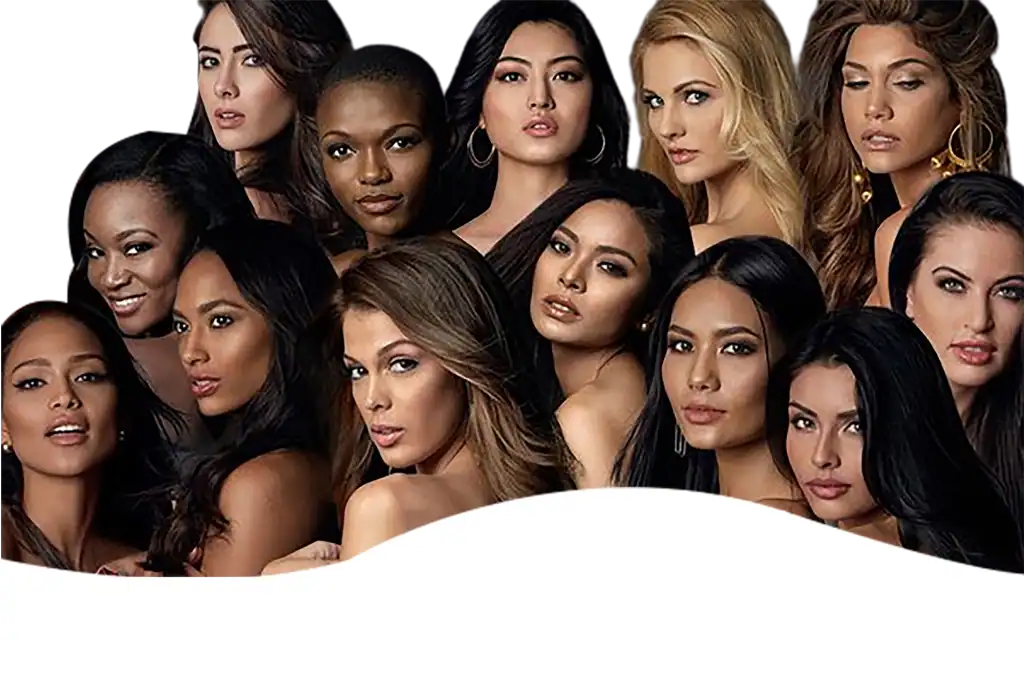
That’s why hands-on experience during your cosmetology program isn’t optional—it’s essential. You need time working on real clients, in a real salon-style environment, before you graduate. Not just once or twice for a final exam. Regularly, consistently, with supervision and feedback.
Quality cosmetology training centers offer student clinics where you practice on actual people who have actual expectations. You learn to handle consultations, manage timing with back-to-back appointments, deal with a client who’s unhappy with their cut, or adjust when someone’s hair doesn’t lift the way you expected based on their previous color history.
This is where you develop real confidence. You start to trust your training. You learn how to recover when something goes wrong without panicking. You get comfortable having honest conversations about what’s realistic versus what a client saw on TikTok from someone with completely different hair.
Local cosmetology schools that do this well also expose you to industry connections during your training. Guest artists from high-end salons. Product educators from professional lines. Salon owners who come in to observe students and recruit talent. Externship opportunities where you work in an actual salon or spa as part of your required hours.
These experiences give you a preview of what your career will actually look like and help you build professional relationships before you even pass your state board exam. If a cosmetology training center can’t show you where their students do hands-on work with real clients or connect you with working salons, that’s a red flag worth noting.
The Seven Essential Skills for Cosmetology Students in 2026
Now let’s get specific. These are the seven skills that separate graduates who build thriving careers from those who struggle to gain traction in competitive markets like Fairfax County, VA. Some are technical. Some are interpersonal. Some are business-focused. All of them matter equally.
Your cosmetology program should be developing these intentionally, not leaving them to chance or assuming you’ll figure them out later. If you’re evaluating top cosmetology schools, ask how they address each of these areas in their curriculum. If you’re already enrolled, use this as a checklist for what to focus on and practice during your remaining training hours.
Skill 1: Advanced Technical Mastery Across Multiple Services
First things first: you need to be legitimately good at the core services. That means more than just passing your practicals. It means being able to execute precision cuts, dimensional color, chemical texture services, skin treatments, and nail care with consistency and confidence.
In 2026, clients expect versatility. They don’t want to go to one person for color and another for cuts. They want a stylist who can do both beautifully. The beauty professionals who can offer multiple services—hair, skin, nails—stand out in the job market and build books faster.
Your cosmetology program should give you depth in each area, not just surface-level exposure. You should leave school knowing how to do a balayage that looks intentional, not accidental. How to cut textured hair, fine hair, and thick hair with different techniques. How to perform a facial that addresses specific skin concerns, not just follows a script.
This also means staying current with techniques. Modern color methods. Trending cut styles. Wellness-focused skin care. Sustainable product knowledge. The industry evolves quickly, and top cosmetology schools update their curriculum to reflect what’s actually being requested in salons right now, not five years ago.
Technical mastery also includes understanding the science behind what you’re doing. Why certain chemicals react the way they do. How hair porosity affects color results. What ingredients in skin care products serve what purpose. When you understand the why, you can troubleshoot problems and customize services instead of just following formulas.
Programs worth considering give you enough hands-on hours to build real muscle memory and confidence. You should graduate feeling ready to take any client, not just the easy ones.
Skill 2: Client Consultation and Communication
This is the skill most cosmetology students underestimate and most salon owners value above almost everything else. You can be the most talented stylist in the room, but if you can’t communicate with clients effectively, you won’t build a loyal book.
Consultation is where everything starts. You need to ask the right questions, listen to what’s said and what’s not said, and translate vague requests into actionable plans. When someone says they want “something different” or shows you a photo of a celebrity with completely different hair texture, you need to guide that conversation without making them feel dismissed or stupid.
Good communication also means managing expectations honestly. If a client wants platinum blonde but their hair is box-dyed black, you need to explain the process, the timeline, the cost, and the maintenance in a way that feels helpful and educational, not condescending or sales-y. If they’re asking for a cut that won’t work with their hair type or lifestyle, you offer alternatives that get them closer to their goal without setting them up for disappointment.
Then there’s the relationship side. Some clients want to chat the whole appointment and treat you like their therapist. Others want silence or to scroll their phone. Some need constant reassurance during a big change. Others just want efficiency and results. Reading the room and adjusting your energy and approach to match theirs is a skill that takes intentional practice.
The best cosmetology programs build this into your training deliberately. We teach you how to conduct consultations, how to handle difficult conversations, and how to create an experience that makes people want to rebook before they leave. We give you real opportunities to practice with actual clients who have real expectations and real budgets, not just classmates who are graded on being supportive.
This is also where you learn product recommendations and retail—not in a pushy commission-chasing way, but in a way that genuinely helps clients maintain their results at home. Recommending the right shampoo, styling product, or at-home treatment isn’t about upselling. It’s about giving them the tools to make your work last until their next appointment.
Skills 3-7: Business, Time Management, Trend Awareness, Digital Presence, and Adaptability
Let’s rapid-fire through the remaining five skills that round out a complete cosmetology education in 2026.
Skill 3: Business and Entrepreneurship Fundamentals. Whether you’re renting a booth, working on commission, or running your own salon, you are running a business. That means understanding pricing structures, managing expenses, tracking income, scheduling efficiently, and building client retention strategies. Quality cosmetology programs teach salon management basics, point-of-sale systems, inventory, and financial planning so you’re not learning these lessons the hard way with your own money on the line.
Skill 4: Time Management and Organization. Salons run on schedules. If you’re consistently running late, you lose clients and income. You need to learn how to accurately estimate service times, set up your station for efficiency, and manage overlapping processes like processing color on one client while consulting with another. This skill gets developed through real clinic floor experience in your cosmetology classes, not from a textbook.
Skill 5: Trend Awareness and Creative Adaptability. Beauty trends change constantly. What’s popular on social media this month might be outdated next season. You need to stay plugged into what’s current—not to chase every trend, but to know what clients are seeing and asking for. Top cosmetology schools expose you to industry events, guest artists, and continuing education opportunities that keep you connected to what’s happening beyond your classroom.
Skill 6: Digital Presence and Portfolio Building. In 2026, your Instagram or TikTok is your resume. Clients find you online before they ever call. You don’t need to be an influencer, but you do need to know how to take quality before-and-after photos, present your work professionally, and maintain a consistent online presence. Some cosmetology training centers now teach basic content creation and social media strategy because it’s that critical to building a career.
Skill 7: Professional Adaptability and Problem-Solving. Things go wrong. Color doesn’t lift. A client’s hair breaks. Someone has an allergic reaction. You double-booked by accident. The ability to stay calm, think clearly, and solve problems without panicking is what separates professionals from students. You develop this through experience, mentorship, and working in environments where mistakes happen and you learn to fix them under supervision.
These seven skills together create a complete foundation for a successful beauty career. Your cosmetology program should be addressing all of them, not just focusing on technical work and hoping you figure out the rest on your own.