Summary:
What Makes an Esthetician Program Stand Out in 2026
Not every esthetician school is built the same. Some teach you just enough to pass your state board exam. Others go deeper, preparing you for the real demands of working in spas, medical offices, or building your own practice.
The difference comes down to curriculum depth, hands-on training hours, and whether the program keeps up with industry shifts. In 2026, clients are more educated than ever—they’ve researched ingredients, watched tutorials, and tried at-home devices. They’re coming to you because they want expertise they can’t get from a product or a video.
That means your training needs to cover more than the basics. You need to understand skin on a deeper level, know how to assess individual needs, and be confident using the tools and techniques that are actually in demand right now.
Advanced Techniques Top Esthetician Schools Are Teaching Today
The best esthetician training programs in Fairfax County, VA and across the country are expanding their curriculum to include techniques that used to be reserved for medical settings or advanced certification courses. These aren’t just nice-to-have skills anymore—they’re what clients are asking for and what employers expect you to know.
Microdermabrasion is one example. This treatment removes dead skin cells and stimulates collagen production, helping with everything from acne scars to fine lines. Programs that include hands-on microdermabrasion training give you a competitive edge because not every graduate knows how to perform it safely and effectively.
Chemical peels are another high-demand service. Understanding the different types of peels—from light glycolic treatments to deeper TCA peels—and knowing which clients are good candidates requires solid training. Top programs teach you the science behind exfoliation, pH levels, and post-treatment care so you can deliver real results without causing harm.
LED light therapy is becoming standard in many treatment rooms. Red light for anti-aging, blue light for acne—these aren’t gimmicks when used correctly. Learning how to incorporate LED into facials, understand contraindications, and explain benefits to clients makes you more valuable to employers and more trusted by clients.
Microneedling, dermaplaning, and advanced facial massage techniques like lymphatic drainage are also showing up in stronger programs. Some schools even introduce students to newer modalities like gua sha, facial cupping, and high-frequency treatments. The more techniques you’re trained in, the more services you can offer and the more confident you’ll feel walking into your first job.
But here’s the thing: it’s not just about learning a long list of treatments. It’s about understanding when to use them, how to combine them, and how to customize your approach based on what each client’s skin actually needs. That’s what separates a good esthetician from someone who just follows a script.
How Esthetician Programs Are Adapting to Skincare Trends in 2026
Skincare trends don’t just influence what products are popular—they shape what clients expect from their esthetician and what skills you need to stay relevant. In 2026, a few major shifts are changing the way top esthetician schools structure their programs.
First, there’s a huge focus on skin barrier health. For years, the industry pushed aggressive exfoliation, strong actives, and “no pain, no gain” approaches. That left a lot of people with damaged, sensitive skin. Now, the pendulum has swung the other way. Clients want treatments that protect and repair their skin barrier, not strip it down. Programs that teach you how to assess barrier function, recommend gentler protocols, and educate clients on over-exfoliation are preparing you for what people actually want right now.
Preventative skincare is another big trend. Younger clients—people in their twenties and early thirties—are booking facials not to fix damage, but to prevent it. They’re thinking long-term, and they want an esthetician who can guide them through building healthy habits early. If your training includes consultation skills, lifestyle factors that affect skin, and how to create personalized maintenance plans, you’ll be able to serve this growing market.
Then there’s the tech side. AI-powered skin analysis tools are becoming more common in spas and clinics. Some programs are starting to introduce students to these diagnostic devices, which use imaging technology to assess hydration, pigmentation, and pore size with precision. Understanding how to interpret this data and translate it into treatment recommendations is a skill that sets you apart.
Wellness integration is another trend that’s not going anywhere. Clients increasingly see their skin as connected to their overall health—sleep, stress, nutrition, hormones. While you’re not a nutritionist or therapist, understanding these connections and being able to have informed conversations makes you a more trusted professional. Programs that weave wellness concepts into their curriculum are training estheticians who can meet clients where they are, not just treat symptoms on the surface.
Finally, there’s a growing emphasis on sustainability and clean beauty. Clients want to know what’s in the products you’re using, where they come from, and whether they align with their values. Schools that partner with professional skincare lines and teach ingredient knowledge, formulation science, and ethical sourcing are giving you the tools to have those conversations confidently.
All of these trends point to one reality: being an esthetician in 2026 requires more than technical skill. It requires adaptability, ongoing learning, and the ability to meet clients’ evolving expectations. The programs that recognize this are the ones preparing you for a sustainable, long-term career.
Choosing the Right Esthetician School in Fairfax County VA
So how do you actually choose a program that’s going to set you up for success? It starts with knowing what to look for and asking the right questions before you enroll.
Accreditation matters. Schools accredited by organizations like the Council of Occupational Education (COE) have met specific standards for curriculum quality, instructor qualifications, and student support. This isn’t just a box to check—it affects your ability to access financial aid and can influence how employers view your education.
Hours of training also make a difference. Virginia requires 600 hours for licensure, but some programs offer more. A 1000-hour program, for example, gives you significantly more hands-on practice and exposure to advanced techniques. More hours often means more confidence when you graduate and better preparation for both your state board exam and your first job.
Hands-on experience is non-negotiable. You can read about facials all day, but until you’ve performed dozens of them on real people, you won’t feel ready. Look for programs that include clinic hours where you work with actual clients under supervision. This is where you build speed, refine your technique, and learn how to handle the unexpected.
What to Expect from Your Esthetician Training Program
If you’ve never been to beauty school before, you might be wondering what the day-to-day experience actually looks like. Esthetician programs typically blend classroom learning with hands-on lab work and eventually clinic practice where you treat real clients.
In the classroom, you’ll study skin anatomy and physiology—understanding the layers of skin, how cells function, and what happens when things go wrong. You’ll learn about different skin types and conditions, from acne and rosacea to hyperpigmentation and aging. This foundational knowledge is what allows you to assess clients accurately and recommend the right treatments.
You’ll also dive into product knowledge. What’s the difference between AHAs and BHAs? How do retinoids work? What makes a good cleanser for oily skin versus dry skin? Understanding ingredients and formulations helps you make smart recommendations and explain to clients why you’re using what you’re using.
Sanitation and safety are huge parts of your training. You’ll learn proper disinfection protocols, how to prevent cross-contamination, and what to do if a client has an adverse reaction. This isn’t glamorous, but it’s essential. Cutting corners on sanitation can harm clients and end your career before it starts.
Then there’s the hands-on work. You’ll practice facials, extractions, masks, exfoliation techniques, and various massage methods. You’ll learn waxing and other hair removal services. Depending on your program, you might also get trained in makeup application, lash extensions, or brow shaping. The more you practice during school, the more confident you’ll be when you’re working on paying clients.
Business and client communication skills are often included too. How do you conduct a consultation? How do you handle a client who’s unhappy? What do you need to know about scheduling, retailing products, and managing your time? These soft skills matter just as much as your technical abilities, especially if you ever want to work for yourself or manage a treatment room.
Most programs also prepare you specifically for the state board exam. In Virginia, you’ll take both a written test and a practical exam where you demonstrate your skills. Good schools build exam prep into the curriculum so you’re not scrambling to study on your own after you finish your hours.
The timeline varies depending on whether you attend full-time or part-time. Full-time students might complete a 600-hour program in about four to six months, while part-time students could take closer to a year. If you’re balancing work or family responsibilities, finding a program with flexible scheduling can make all the difference.
Career Outlook and What You Can Do with an Esthetician License
One of the best things about becoming an esthetician is the variety of career paths available to you. You’re not locked into one type of job or one type of environment. Depending on your interests and strengths, you can take your license in several different directions.
Many estheticians start in day spas or salons. These settings offer a steady flow of clients, opportunities to build your skills, and often a supportive team environment. You’ll perform facials, waxing, and other treatments, and you’ll have the chance to build a loyal client base over time. Spas and salons are great places to learn the business side of esthetics —how to manage a schedule, upsell retail products, and create a relaxing experience that keeps clients coming back.
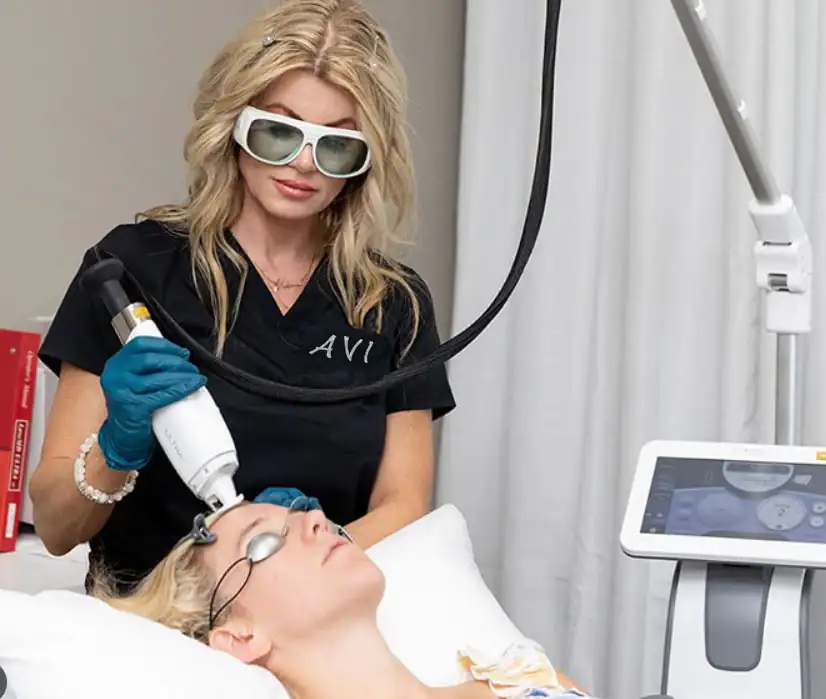
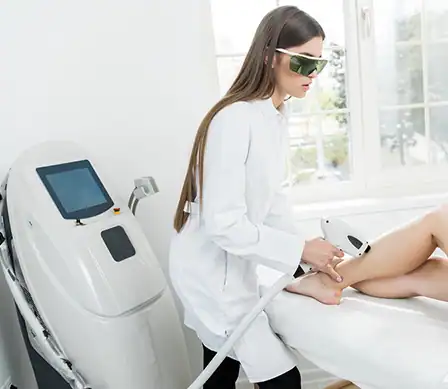
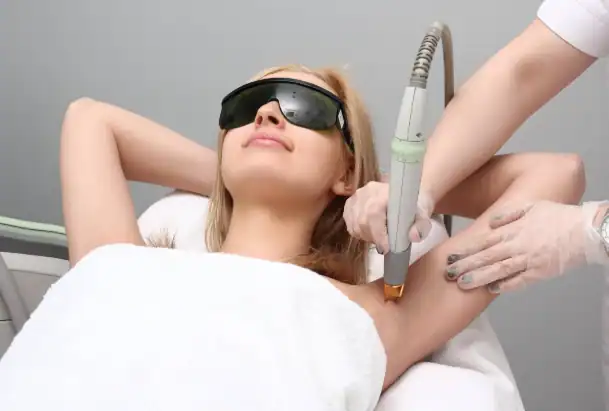
Medical esthetics is another growing field. Working in a dermatology office, plastic surgery practice, or med spa allows you to perform more advanced treatments under medical supervision. You might assist with laser therapy, chemical peels, or pre- and post-operative skincare for surgical patients. Medical estheticians often earn higher salaries and work with clients who have specific skin concerns that require clinical-level care.
Some estheticians choose to go mobile, offering services in clients’ homes or at events like weddings and photoshoots. This path offers flexibility and independence, though it also requires strong business skills and the ability to manage your own schedule, supplies, and marketing.
Retail and product education roles are another option. Skincare brands often hire licensed estheticians to work in department stores, provide training to other professionals, or represent the brand at trade shows and events. If you love products and enjoy teaching others, this can be a rewarding path.
Then there’s entrepreneurship. Many estheticians eventually open their own studios, rent a suite in a salon, or build a private practice. This gives you complete control over your services, pricing, and client experience, but it also means you’re responsible for everything from marketing to bookkeeping. Programs that include business training set you up better for this path.
The job outlook is strong. Employment of skincare specialists is projected to grow 7 percent from 2024 to 2034, which is faster than the average for all occupations. About 14,500 openings are expected each year, driven by demand for professional skincare services, an aging population seeking anti-aging treatments, and younger clients investing in preventative care. The median hourly wage for skincare specialists was $19.98 in May 2024, though earnings vary widely based on location, experience, and whether you work on commission or salary.
In the Fairfax County, VA area specifically, the job market is robust. The DC Metropolitan region has a high concentration of spas, salons, medical practices, and wellness centers. Clients in this area tend to prioritize self-care and have disposable income to spend on professional services. That means more opportunities for licensed estheticians and often higher earning potential than in less affluent areas.
If you’re willing to continue learning after you get your license—taking advanced courses, earning certifications in specialized techniques, or even pursuing a master esthetician license—you can increase your earning potential and open up even more career options. The esthetics field rewards those who stay curious and keep building their skills.
Is an Esthetician Program Right for You
Becoming an esthetician isn’t just about learning how to give a good facial. It’s about understanding skin science, mastering techniques that get results, and building the confidence to guide clients through their skincare journey. The best programs prepare you for all of that—not by teaching you the bare minimum, but by giving you a strong foundation and exposing you to the trends and tools that are shaping the industry right now.
If you’re in Fairfax County, VA and considering this path, take the time to research your options. Look for programs with solid accreditation, experienced instructors, hands-on training, and a curriculum that goes beyond just checking boxes for state requirements. Ask about externship opportunities, career placement support, and whether the school stays current with industry trends.
The future of skincare is exciting, and there’s real demand for skilled professionals who can deliver personalized, results-driven care. If that sounds like the kind of work you want to do, esthetician training could be the right next step. At AVI Career Training, we’ve been preparing students for successful careers in esthetics since 1985, offering comprehensive programs that combine hands-on experience with the latest techniques and industry connections to help you thrive in this growing field.