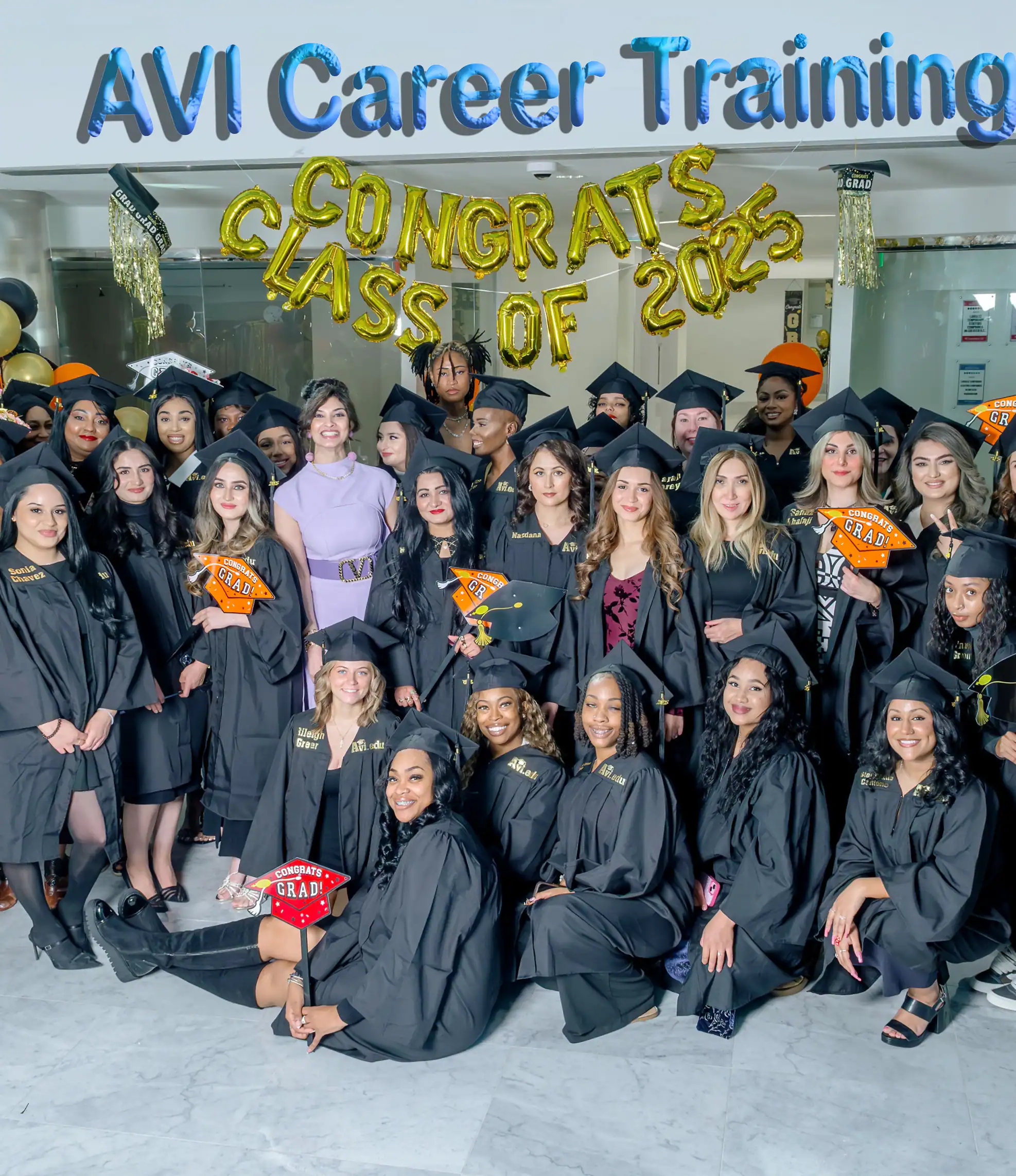
Summary:
What Makes Beauty School Training Actually Effective
Beauty education has reached a crossroads in 2026. You can find hundreds of online programs promising to teach you cosmetology , esthetics, or makeup artistry from your couch. Some of them are legitimate for learning theory. Most of them fall short when it comes to preparing you for the Virginia state board exam or your first day in a real salon.
Effective beauty school training comes down to three non-negotiables: accredited curriculum that meets state requirements, extensive hands-on practice with supervision, and real-world experience working with actual clients. Virginia requires 1,000 hours of training for cosmetology licensure, and those hours need to include specific techniques, safety protocols, and client interaction skills that you simply can’t develop virtually.
The difference shows up immediately when graduates enter the workforce. Students who complete comprehensive, in-person programs walk into salons ready to work. They’ve already handled difficult hair textures, managed client expectations, and learned to troubleshoot when a technique doesn’t go as planned. Online-trained students often struggle with these basics because watching someone perform a service and actually performing it yourself are completely different skill sets.
How Hands-On Beauty Training Develops Real Professional Skills
Learning to cut hair on a mannequin is step one. Learning to cut hair on a nervous client who’s explaining exactly how their last stylist ruined their look—that’s where you become a professional. Hands-on training in a beauty school setting bridges that gap in ways online education never can.
When you’re working in a student salon at a school like ours in Tysons Corner, you’re not just practicing techniques in isolation. You’re learning to read body language, adjust your approach based on different hair types and skin conditions, and manage the time constraints of a real appointment. These are the skills that determine whether you’ll build a loyal client base or struggle to retain customers.
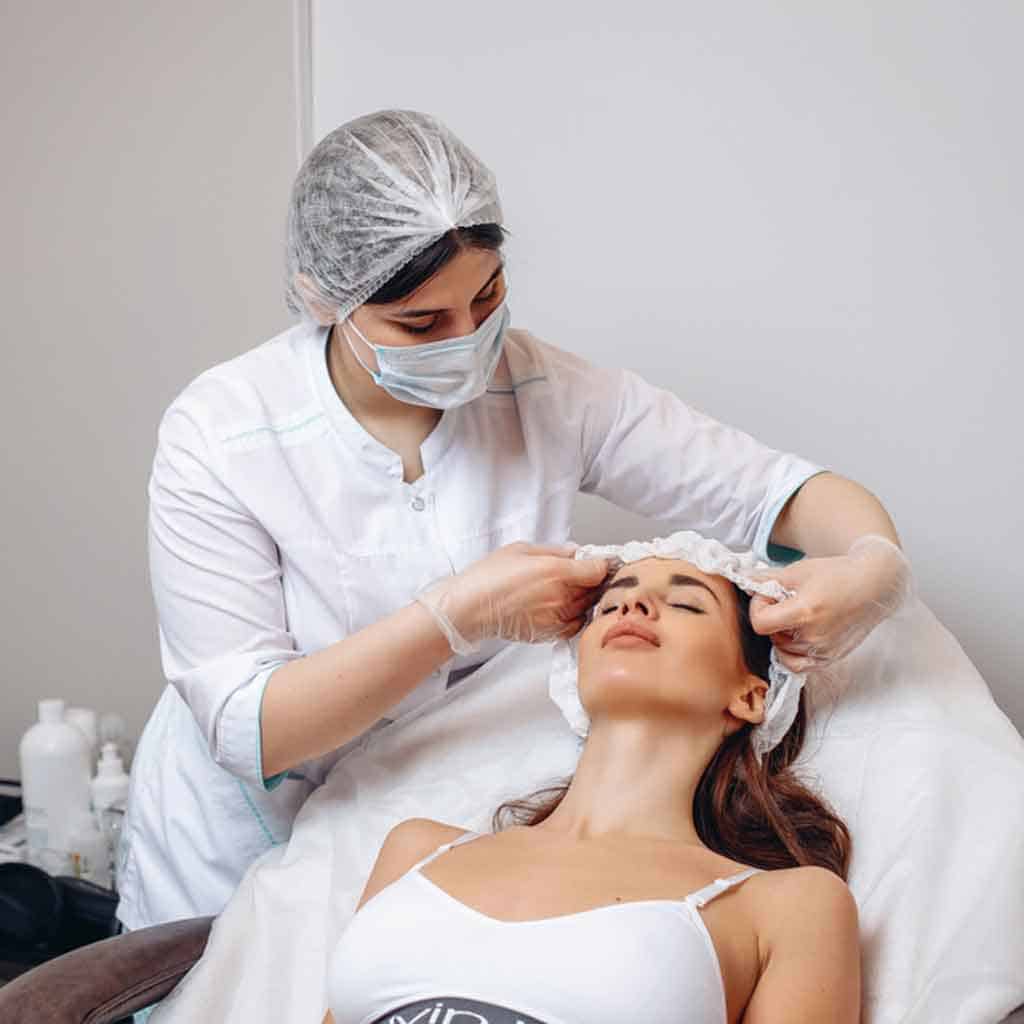
The tactile nature of beauty services requires developing muscle memory and dexterity that only comes through repetition with real people. Applying the right pressure during a facial, sectioning hair properly for color application, or maintaining steady hands during precise nail work—these aren’t skills you can master through video tutorials. Your hands need to learn what “correct” feels like, and that only happens through supervised practice with immediate feedback from experienced instructors.
Industry data supports this reality. Research shows that students who complete hands-on training programs have significantly higher pass rates on state board exams compared to those who rely primarily on online education. The practical exam component, which tests your ability to actually perform services under observation, is where online-trained students often fail. They’ve seen the techniques demonstrated countless times, but their hands haven’t developed the confidence and precision that comes from doing it yourself repeatedly under expert guidance.
Beyond technical skills, hands-on training teaches you the professional behaviors that determine career success. You learn how to set up your station efficiently, maintain sanitation standards instinctively, and communicate with clients professionally even when you’re concentrating on a complex technique. These habits become automatic when you practice them daily in a structured environment. They remain theoretical concepts when you’re learning alone at home.
The beauty industry in 2026 is increasingly focused on professional authority and clinical-level expertise. Clients are gravitating toward providers who demonstrate confidence and competence, not those who seem uncertain or inexperienced. Hands-on training gives you that professional presence because you’ve already worked through the awkward learning curve in a supportive environment rather than on paying clients.
What to Look for in a Beauty School Program in Fairfax County, VA
Not all beauty schools deliver the same value, even when they’re all technically accredited. If you’re investing time and money into your beauty education in Fairfax County, VA, you need to know what separates programs that actually prepare you for success from those that just meet minimum requirements.
Start with accreditation, but don’t stop there. Look for schools approved by both the Council of Occupational Education (COE) and the State Council of Higher Education for Virginia (SCHEV). These accreditations mean the program meets rigorous educational standards and qualifies you to sit for Virginia’s state board exams. More importantly, they make you eligible for federal financial aid, which can significantly reduce your out-of-pocket costs.
The quality of hands-on training varies dramatically between schools. Ask specific questions: How many hours will you spend working with real clients versus mannequins? What’s the student-to-instructor ratio during practical training? Do instructors provide individual feedback on your technique, or are you mostly learning through observation? Schools that prioritize hands-on experience typically have students working in their salon or spa settings early in the program, not just in the final weeks.
Industry partnerships matter more than most prospective students realize. Beauty schools with established relationships with local salons, spas, and product companies can offer you opportunities that isolated programs can’t. At AVI Career Training, we provide professional product training from brands like Dermalogica® and IMAGE Skincare®, plus workshops with celebrity artists and industry experts. These connections don’t just enhance your education—they often lead directly to job opportunities after graduation.
Equipment and facilities tell you a lot about a school’s priorities. Visit the campus and look at what students are actually using. Are they training with professional-grade tools and products that you’ll encounter in real salons? Or are they working with outdated equipment and discount products? The tools you train with shape your technique and your expectations for professional standards.
Financial aid availability and transparency should be non-negotiable. Quality schools help you understand the true cost of your education upfront and connect you with every possible funding source. We’re approved for Title IV funding, which includes Pell Grants and Direct Loans. We also accept GI Bill benefits for veterans and offer support for military spouses. If a school is vague about costs or pushes you toward expensive private loans before exploring federal aid, that’s a red flag.
Career support after graduation separates schools that care about your long-term success from those that just want your tuition. Ask about job placement rates, alumni networks, and whether the school maintains relationships with employers who actively recruit their graduates. Schools with strong industry connections can introduce you to opportunities before you even complete your program. We partner with an approved network of leading spas and salons across Northern Virginia specifically to provide externship and career placement opportunities for our students.
Beauty Industry Careers in 2026: What You Actually Need to Succeed
The beauty industry is evolving faster than ever, and 2026 brings both opportunities and challenges for new professionals. Understanding what employers and clients actually value right now will help you make smarter decisions about your training and career path.
Professional authority has become the dominant trend. Clients are increasingly drawn to beauticians and estheticians who demonstrate clinical expertise and specialized knowledge, not just basic technical skills. This shift means your training needs to go beyond learning how to perform services—you need to understand the science behind them. Why does a certain ingredient work for specific skin types? What’s happening chemically when you process color? How do you adapt techniques for different client needs?
The demand for versatile professionals continues to grow. Employers in Fairfax County, VA and throughout Northern Virginia increasingly prefer candidates who can offer multiple services rather than specialists in just one area. A cosmetologist who can also perform quality facials and nail services has more career options and earning potential than someone with narrower skills. This is why comprehensive beauty school programs that cover multiple disciplines give you a competitive advantage.
Real Career Paths After Beauty School in Northern Virginia
One of the biggest misconceptions about beauty school is that it only prepares you to work in a salon cutting hair. The reality is that beauty education opens doors to diverse career paths, many of which offer better income and lifestyle flexibility than traditional salon positions.
Esthetician roles in medical spas represent one of the fastest-growing segments of the beauty industry. These positions combine skincare expertise with clinical procedures, often working alongside dermatologists and plastic surgeons. Medical estheticians typically earn significantly more than salon-based beauticians because they’re performing advanced treatments like chemical peels, microdermabrasion, and laser services. However, these roles require solid foundational training in skin science and hands-on experience with professional-grade equipment—exactly what quality esthetics programs provide.
Salon ownership or booth rental gives you complete control over your schedule and income potential. Many successful beauty professionals in Fairfax County, VA work as independent contractors, renting space in established salons while building their own client base. This path requires strong business skills in addition to technical expertise. You need to understand marketing, client retention, inventory management, and financial planning. Beauty schools that incorporate business education into their curriculum prepare you for this entrepreneurial route rather than assuming you’ll always work as an employee.
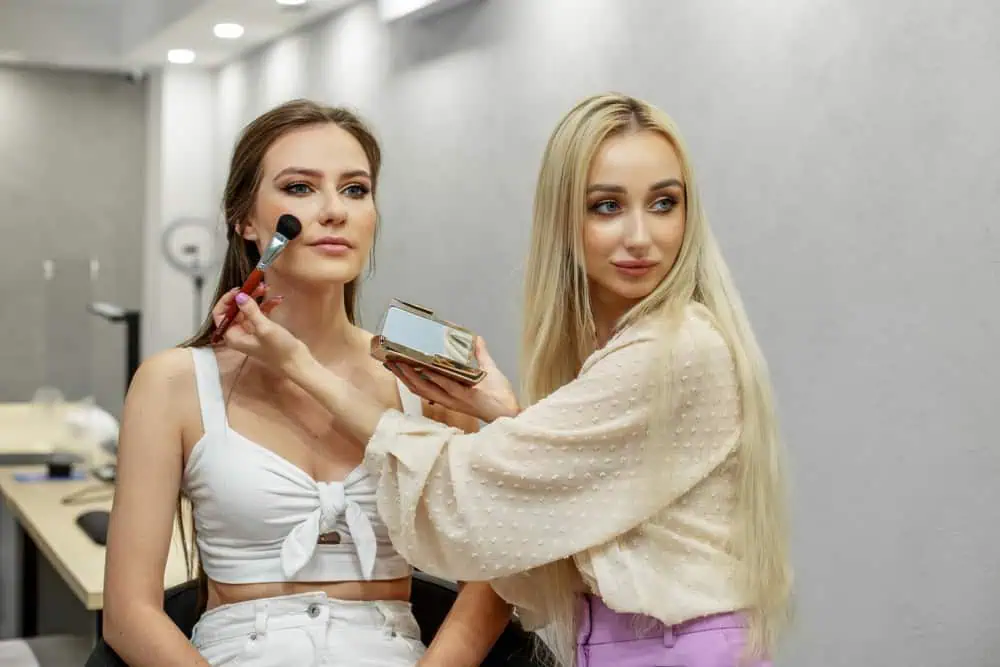
Makeup artistry for events, weddings, or media work appeals to creative professionals who want variety in their daily work. This career path often involves irregular hours and requires building a strong portfolio and network, but it can be extremely rewarding both creatively and financially. The key is developing reliable, repeatable techniques that work under pressure and in various lighting conditions—skills that come from extensive hands-on practice with diverse clients.
Product education and sales roles within the beauty industry offer stable income and benefits that service-provider positions often lack. Beauty brands need educators who can train salon staff on new products and techniques. These positions require deep product knowledge and excellent communication skills, both of which develop through comprehensive beauty education programs. Many of our graduates transition into these roles after gaining salon experience, leveraging their practical expertise into corporate positions.
Educator and instructor positions become available once you’ve established yourself as a licensed professional. Teaching at a beauty school allows you to share your expertise while enjoying more predictable hours than salon work. Virginia requires instructors to hold a valid cosmetology or esthetics license and complete Board-approved instructor training. This career path offers job security and the satisfaction of shaping the next generation of beauty professionals.
The common thread across all these career paths is that they require solid foundational training. You can’t skip the basics and expect to succeed in specialized or advanced roles. Hands-on beauty education gives you the technical skills, professional habits, and industry credibility that every one of these career paths demands.

How to Choose Between Cosmetology and Esthetics Programs
One of the first decisions you’ll face when exploring beauty school is whether to pursue cosmetology or focus specifically on esthetics. Both paths lead to rewarding careers, but they require different commitments and lead to different opportunities.
Cosmetology programs are comprehensive, covering hair, skin, and nails. In Virginia, cosmetology requires 1,000 hours of training and prepares you for the broadest range of career options. You’ll learn cutting, coloring, chemical treatments, styling, basic skincare, makeup application, and nail services. This versatility means you can work in various settings and offer diverse services to clients. The downside is that cosmetology programs require more time and financial investment than specialized programs.
Esthetics programs focus exclusively on skincare, allowing you to develop deeper expertise in this specific area. Basic esthetics in Virginia requires 600 hours of training, making it a faster path to licensure than cosmetology. You’ll study skin analysis, facial treatments, hair removal, makeup application, and product chemistry in much greater depth than cosmetology students. Estheticians often find opportunities in medical spas, dermatology offices, and high-end skincare clinics where specialized knowledge commands premium pricing.
Your decision should consider your interests, career goals, and practical constraints. If you love the artistic aspects of hair and enjoy variety in your daily work, cosmetology might be the better fit. If you’re fascinated by skin science and prefer the clinical, results-focused nature of skincare, esthetics could be your path. If you’re uncertain, we offer multiple programs, allowing you to start with one and potentially add certifications later.
Financial considerations matter too. Esthetics programs typically cost less than cosmetology programs simply because they require fewer training hours. However, cosmetology’s versatility can lead to more immediate job opportunities after graduation, potentially helping you start earning sooner. Consider both the upfront investment and the likely return when making your decision.
The good news is that neither choice locks you into a single career forever. Many beauty professionals start in one area and expand their skills over time. You might complete esthetics training, work in the field for a few years, and then return to school for cosmetology if you want to broaden your services. Or you could start with cosmetology and later pursue master esthetics certification to offer advanced skincare treatments. The beauty industry rewards continuous learning and skill development.
What matters most is choosing a program that provides thorough, hands-on training in your chosen specialty. Whether you’re learning to perform the perfect balayage or mastering advanced facial techniques, the quality of your education will determine your confidence and competence as a professional. Don’t let program length be your only consideration. A shorter program that cuts corners on practical training will leave you unprepared, while a comprehensive program that prioritizes hands-on experience will set you up for long-term success.
Making Your Beauty School Decision in Fairfax County, VA
Choosing where to pursue your beauty education is one of the most important career decisions you’ll make. The school you select will shape not just your technical skills, but your professional network, your confidence, and ultimately your success in this competitive industry.
Hands-on training remains the gold standard in 2026 because the beauty industry fundamentally requires tactile skills, real client interaction, and the kind of professional judgment that only develops through supervised practice. Online programs have their place for learning theory, but they can’t replace the experience of working with diverse clients under the guidance of experienced instructors. When you’re ready to invest in your future, invest in education that actually prepares you for the realities of salon and spa work.
We’ve been preparing beauty professionals in Fairfax County, VA since 1985, combining comprehensive hands-on training with industry partnerships, modern facilities, and genuine support from enrollment through career placement. If you’re ready to start your journey in the beauty industry with training that actually works, reach out to us to learn about our programs and see our facilities firsthand.