AVI Career Training

Master your esthetician program journey in Fairfax County with insider tips on choosing schools, passing exams, and launching your skincare career.

Summary:

Starting an esthetician program in Fairfax County, VA opens doors to a thriving career in the growing beauty and wellness industry. This comprehensive guide reveals what separates successful esthetician students from the rest. You’ll discover how to choose the right esthetician school, navigate Virginia’s licensing requirements, and develop the skills that lead to career success. From hands-on training techniques to state board exam preparation, these insights help you maximize your investment in esthetics education.
You’re considering an esthetician program, but you want more than just a certificate—you want a career that actually pays off. The beauty industry in Fairfax County is competitive, and not every graduate finds the success they’re looking for. The difference between struggling and thriving often comes down to the choices you make before you even step into your first class. From selecting the right program to mastering the skills that employers actually value, your success starts with understanding what really matters in esthetics education.

Choosing the Right Esthetician Program in Fairfax County

Not all esthetician schools deliver the same results. The program you choose shapes everything from your skill level to your job prospects after graduation.

Look for schools with proper accreditation and state approval. In Virginia, your esthetician program must meet specific requirements set by the Board for Barbers and Cosmetology. This isn’t just paperwork—it determines whether you’re eligible to take your licensing exam.

The best programs combine classroom theory with extensive hands-on practice. You need real experience working with clients, not just textbook knowledge about skin anatomy.

What Makes AVI Career Training Stand Out

At AVI Career Training, we bring something different to esthetician education in Fairfax County. We’ve been training beauty professionals since 1984, which means we understand what actually works in the field.

Our program is accredited by the Council of Occupational Education (COE) and approved by the State Council of Higher Education for Virginia (SCHEV). This accreditation matters because it ensures your education meets industry standards and qualifies you for licensing.

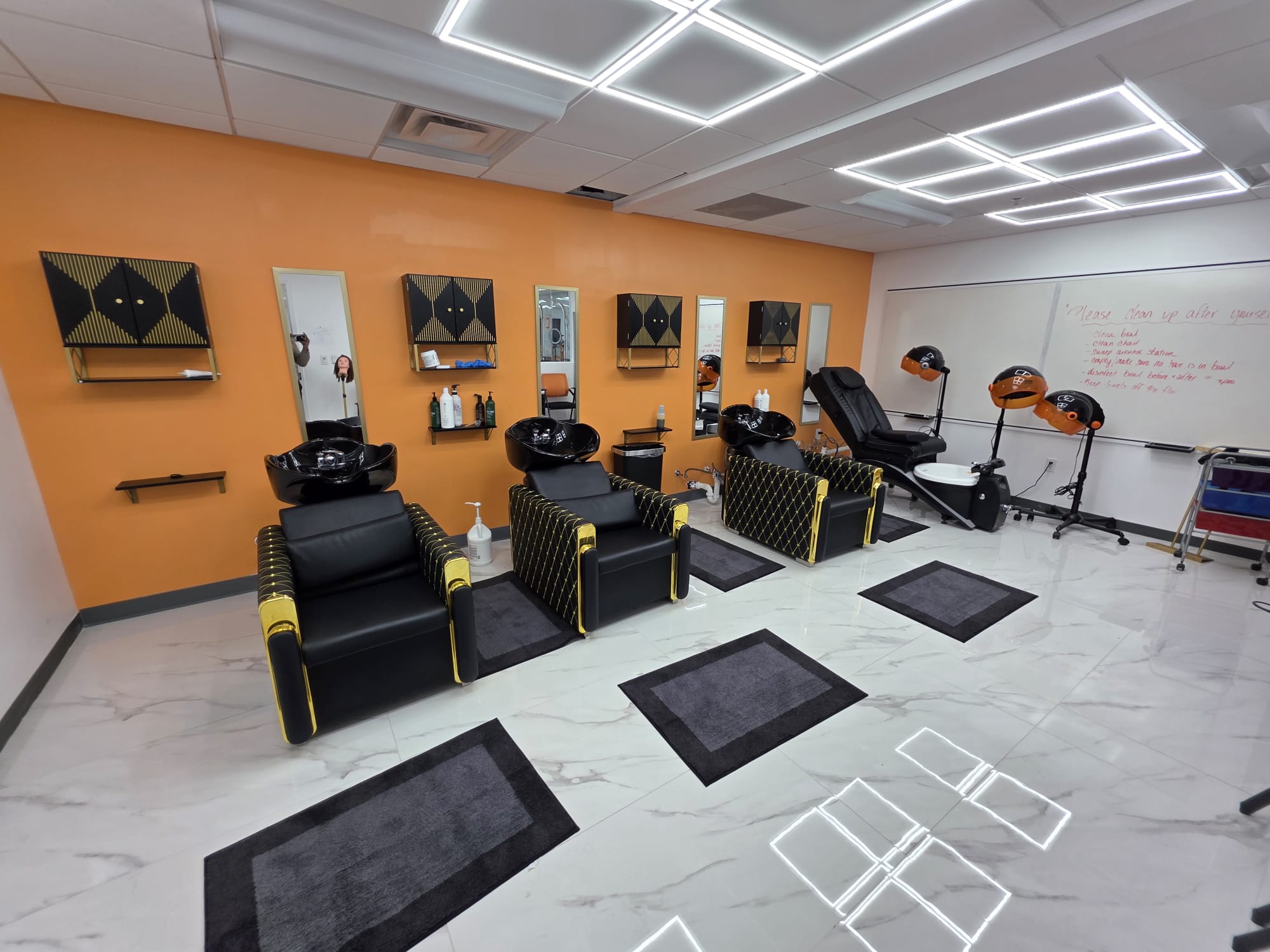
Our location in Tysons Corner puts you right in the heart of Fairfax County’s beauty scene. You’re surrounded by high-end spas, medical practices, and salons where our graduates often find employment. Our faculty includes seasoned professionals who bring years of salon and spa experience directly into the classroom.

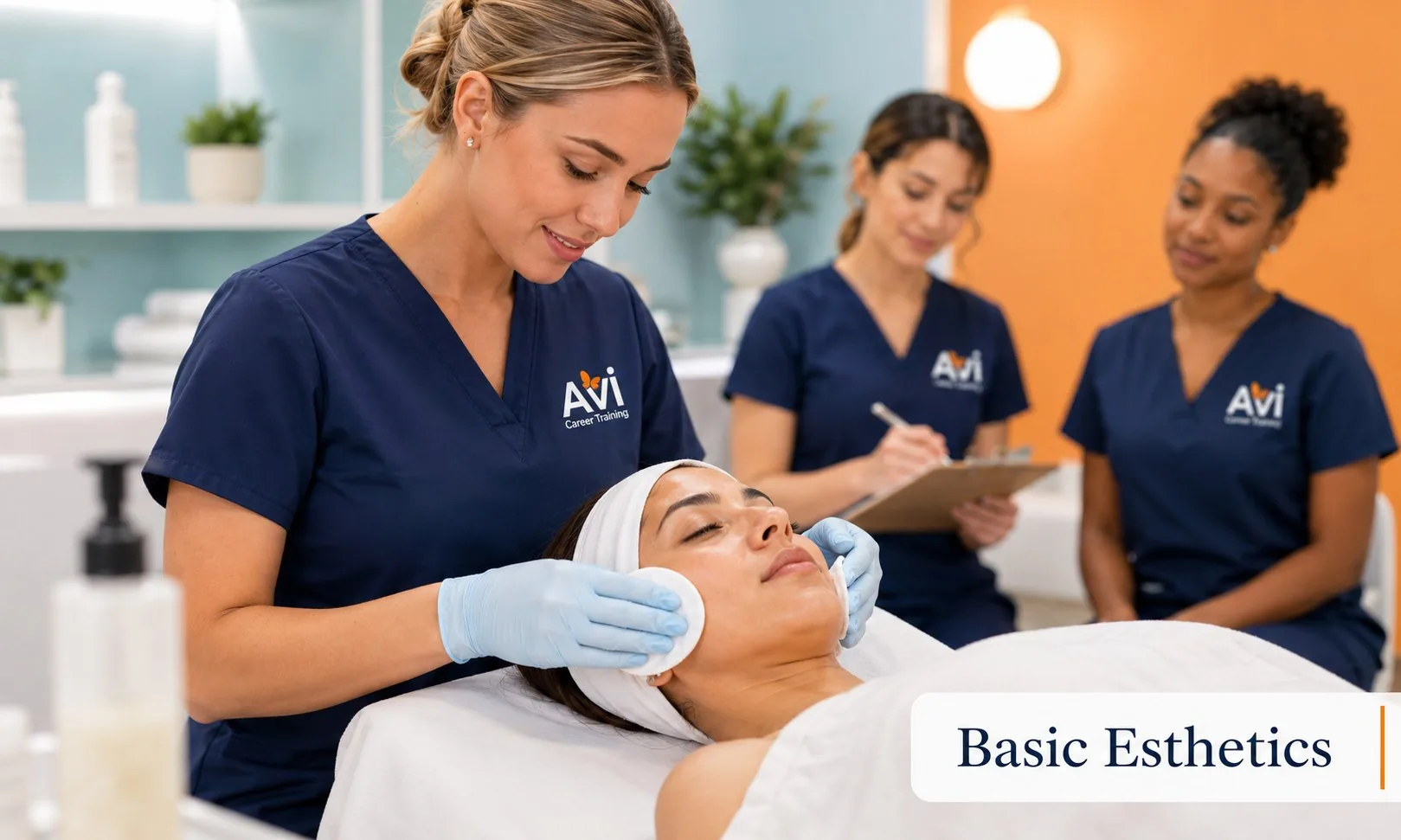
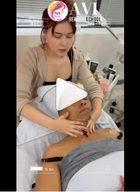
What sets our approach apart is the focus on real-world application. Students work with actual clients under supervision, building confidence and skills simultaneously. Our curriculum covers everything from basic facial treatments to advanced techniques like microdermabrasion and chemical peels.

We also provide job placement assistance, which can be crucial when you’re starting your career. We maintain connections with local employers and help graduates transition from student to professional. This support system continues even after you complete your 600-hour program.

Virginia Licensing Requirements You Need to Know

Virginia requires 600 hours of training at a state-approved esthetician school before you can apply for your licensing exam. This isn’t negotiable—you must complete every hour to be eligible.

Your training must cover specific topics mandated by the state board. These include skin analysis, facial treatments, hair removal, sanitation protocols, and business practices. The curriculum is designed to prepare you for both the written and practical portions of the state exam.

The licensing exam itself consists of two parts: a written theory exam and a hands-on practical demonstration. You need to score at least 75% on each section to pass. The practical exam requires you to bring your own kit and demonstrate various treatments on a live model.

After passing both exams, you can apply for your Virginia esthetician license. The process typically takes a few weeks, and you’ll need to renew your license every two years. Some programs offer exam preparation courses or mock exams to help boost your confidence.

Understanding these requirements upfront helps you choose a program that properly prepares you for success. Schools that cut corners on curriculum or hands-on training often have lower pass rates on state exams.

Building Skills That Lead to Career Success

Technical skills get you licensed, but career success requires more than just knowing how to perform a facial. The estheticians who thrive understand client relations, business basics, and industry trends.

Communication skills often matter more than perfect technique. Clients need to trust you with their skin concerns, and that trust starts with how well you listen and explain treatments. The best esthetician programs teach you how to conduct consultations and build rapport with clients.

Business knowledge separates successful estheticians from those who struggle. Whether you work for someone else or start your own practice, understanding retail sales, appointment scheduling, and client retention makes a significant difference in your earning potential.

Hands-On Training That Actually Prepares You

The quality of your hands-on training directly impacts your confidence and competence as a new esthetician. Programs that provide extensive client work give you a significant advantage over those that rely heavily on student-to-student practice.

Working with real clients exposes you to different skin types, conditions, and concerns you’ll encounter in your career. Each client interaction teaches you something new about consultation techniques, treatment modifications, and professional communication. This experience is invaluable when you start working independently.

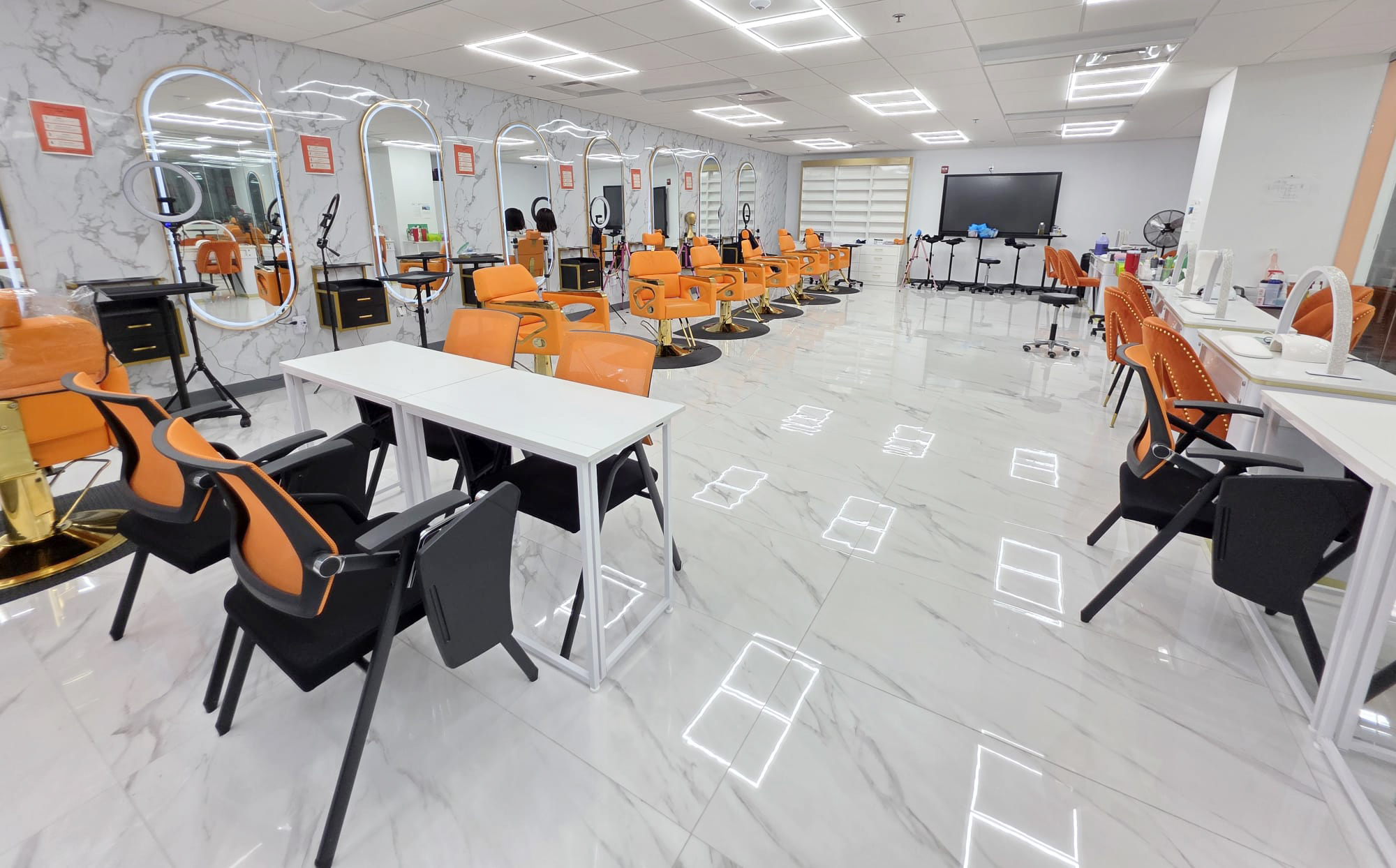
Look for programs that offer clinical hours in a professional spa-like setting. This environment helps you understand the pace and expectations of a real workplace. You learn to manage time effectively, maintain sanitation standards, and handle the pressure of client expectations.

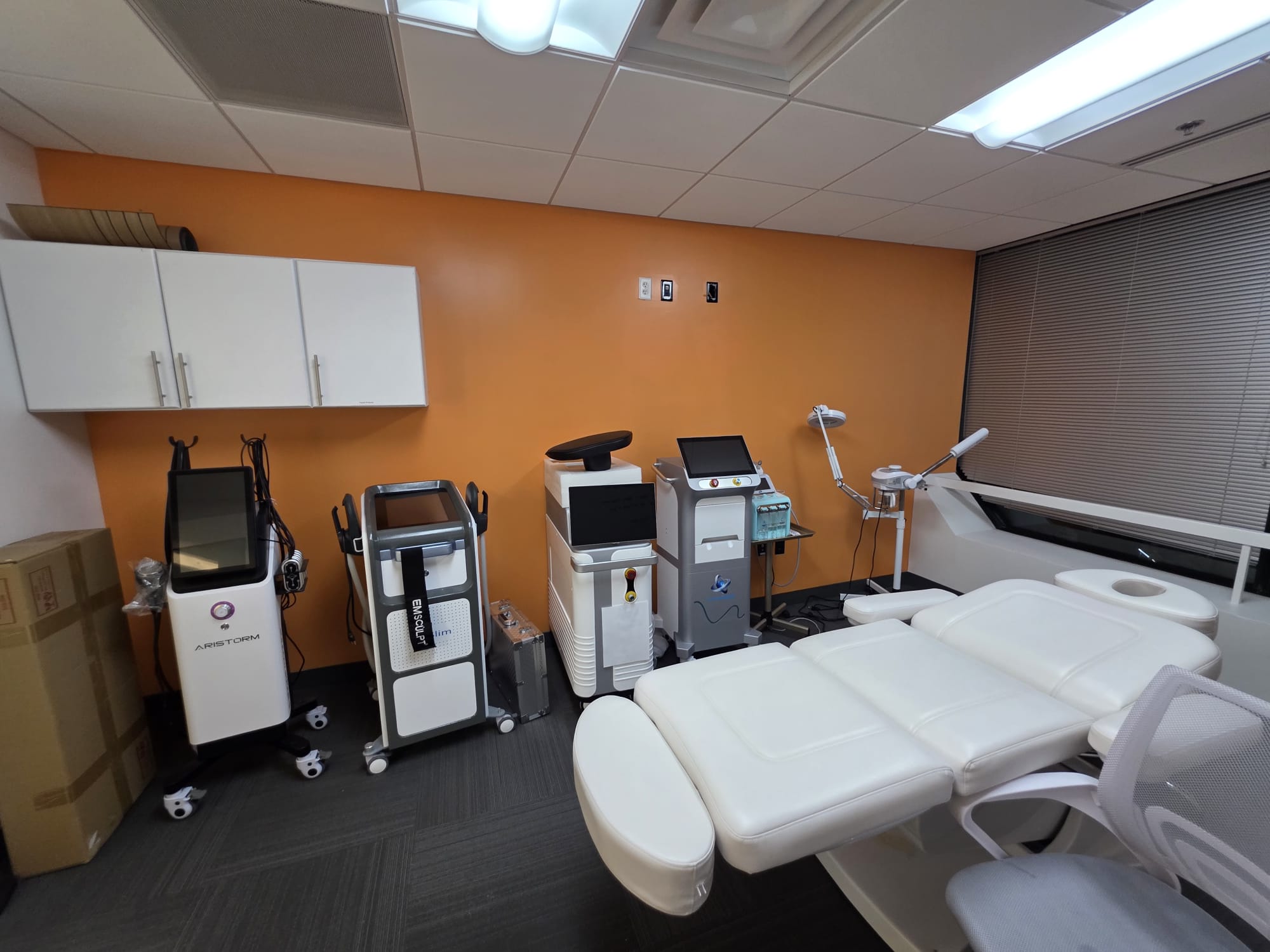
The best programs also expose you to current equipment and products used in the industry. Learning on outdated or basic equipment can leave you unprepared for modern spa environments. Professional-grade tools and product lines give you familiarity with what you’ll use after graduation.

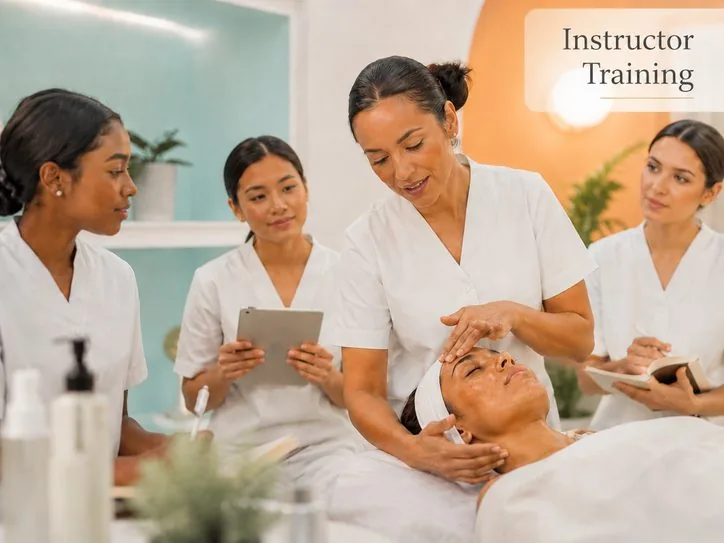
Supervision quality matters too. Instructors should provide constructive feedback and guide your technique development. We catch mistakes before they become habits and help you understand the reasoning behind different treatment approaches.

Career Opportunities in Fairfax County's Beauty Market

Fairfax County offers diverse opportunities for licensed estheticians, from luxury day spas to medical practices. The area’s affluent population supports a robust beauty and wellness industry with higher-than-average wages for skilled professionals.

Day spas and wellness centers represent the largest employment sector for new estheticians. These establishments typically offer facial treatments, body services, and retail sales opportunities. Many provide additional training in specialized treatments and offer advancement paths to senior esthetician or spa coordinator roles.

Medical spas and dermatology practices offer higher earning potential but require additional skills. These environments focus on corrective treatments, advanced chemical peels, and pre- and post-procedure care. The medical spa market continues growing, creating more opportunities for estheticians with proper training.

Salon employment offers another path, often with built-in clientele and established marketing. Many salons provide esthetics services alongside hair and nail care, creating cross-referral opportunities. This environment can be ideal for building experience and developing a client base.

Self-employment becomes viable once you’ve gained experience and built a reputation. Many successful estheticians start in established businesses before opening their own practices. The flexibility of freelance work appeals to many professionals, though it requires strong business skills and self-motivation.

Setting Yourself Up for Long-Term Success

Success in esthetics extends far beyond your initial training. The industry constantly evolves with new treatments, technologies, and client expectations. Continuing education keeps your skills current and your services competitive.

Building a strong professional network starts during your training program. Relationships with classmates, instructors, and industry professionals can lead to job opportunities and referrals throughout your career. Many successful estheticians credit their network for their biggest career breaks.

Your success ultimately depends on choosing a program that prepares you for real-world challenges, not just state board exams. At AVI Career Training, we have spent decades refining our approach to produce graduates who thrive in Fairfax County’s competitive beauty market.

Article Details: