

Summary:
Not all cosmetology programs are created equal. The difference between a mediocre program and one that launches successful careers comes down to a few critical factors.
First, accreditation matters more than most people realize. A program accredited by the Council of Occupational Education (COE) and approved by Virginia’s State Council of Higher Education ensures your training meets industry standards. This isn’t just paperwork—it affects everything from financial aid eligibility to employer recognition.
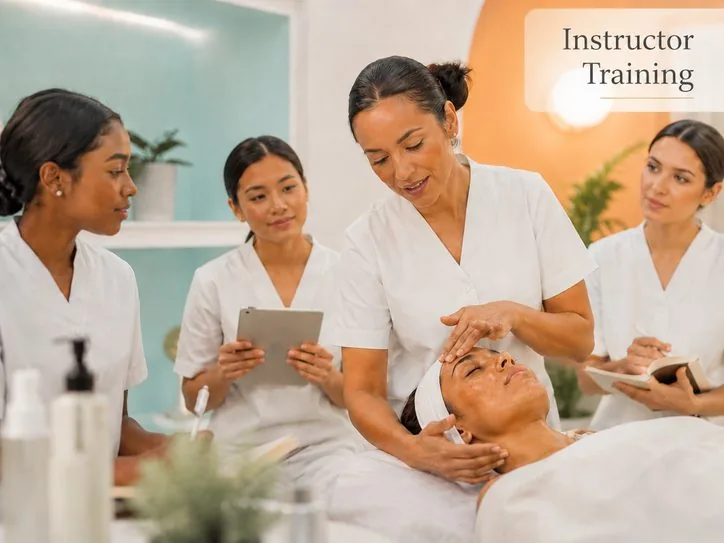
Second, you need instructors who’ve actually worked in the field. Theory is important, but learning from licensed professionals who understand current industry trends and client expectations gives you insights you can’t get from textbooks alone.
Virginia requires 1,000 hours of training for cosmetology licensure—but what does that actually mean for your day-to-day experience? This isn’t arbitrary busy work. Those hours are structured to build your skills progressively, from basic techniques to advanced applications.
The curriculum covers everything from hair cutting and coloring to skin care and nail services. You’ll spend significant time on chemical processes like permanent waving and relaxers, which require both technical knowledge and safety protocols. The state recently updated requirements to include specific focus on textured hair, reflecting the diverse clientele you’ll serve.
But here’s what many programs don’t tell you: how those hours are distributed makes a huge difference. Programs that front-load theory without enough hands-on practice leave students unprepared for real clients. The most effective programs integrate practical application throughout, so you’re building confidence while mastering techniques.
You’ll also need to understand the business side. Virginia’s curriculum includes orientation and business topics because successful cosmetologists need more than technical skills—they need to understand client relations, product knowledge, and basic business operations.
Fairfax County’s proximity to Washington, D.C., creates unique opportunities in the beauty industry. The area’s diverse, professional population means higher demand for skilled cosmetologists and better earning potential than many other regions.
Local salaries reflect this advantage. While the statewide median for cosmetologists is around $30,200 annually, areas like Arlington and Alexandria consistently pay above average. That’s not just because of cost of living—it’s because clients in these areas value quality service and are willing to pay for it.
The key is finding a program with real industry connections. Some schools talk about job placement assistance but don’t have meaningful relationships with local employers. Others, like established programs that have been training professionals for decades, maintain ongoing partnerships with salons and spas.
These connections matter when you’re starting out. A recommendation from a respected instructor can open doors that online applications can’t. When salon owners know a program consistently produces well-trained graduates, they’re more likely to give those graduates a chance to prove themselves.
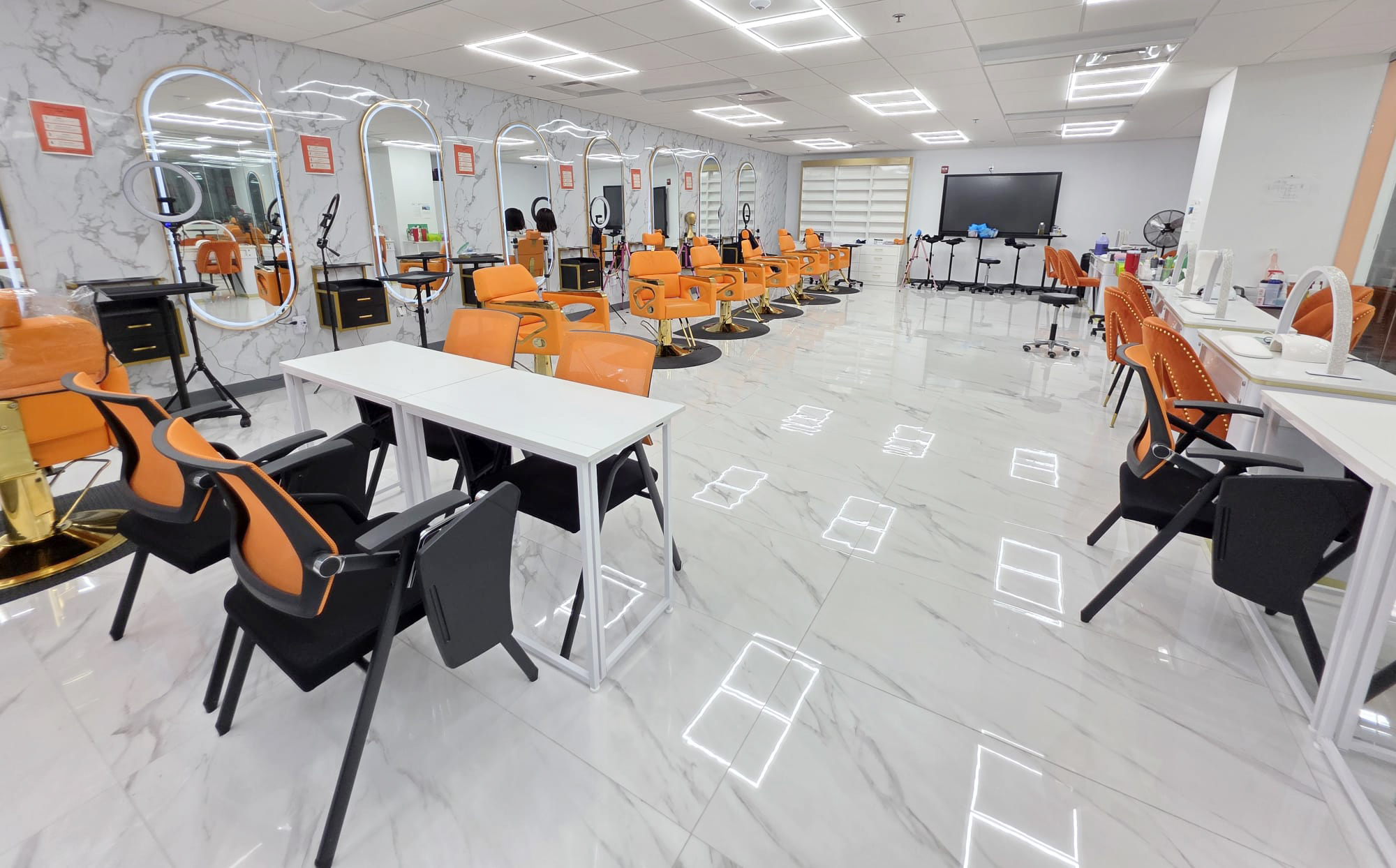
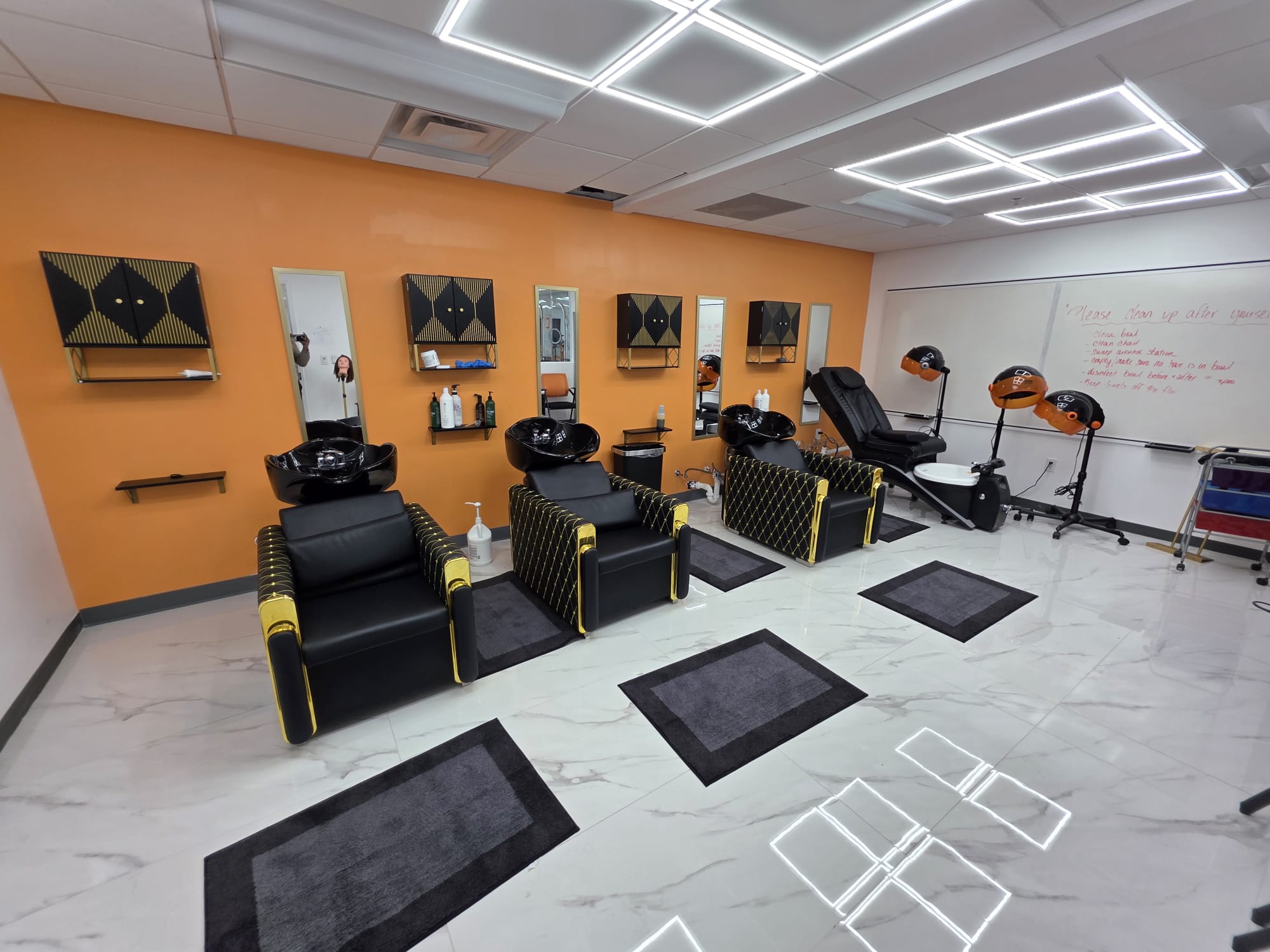
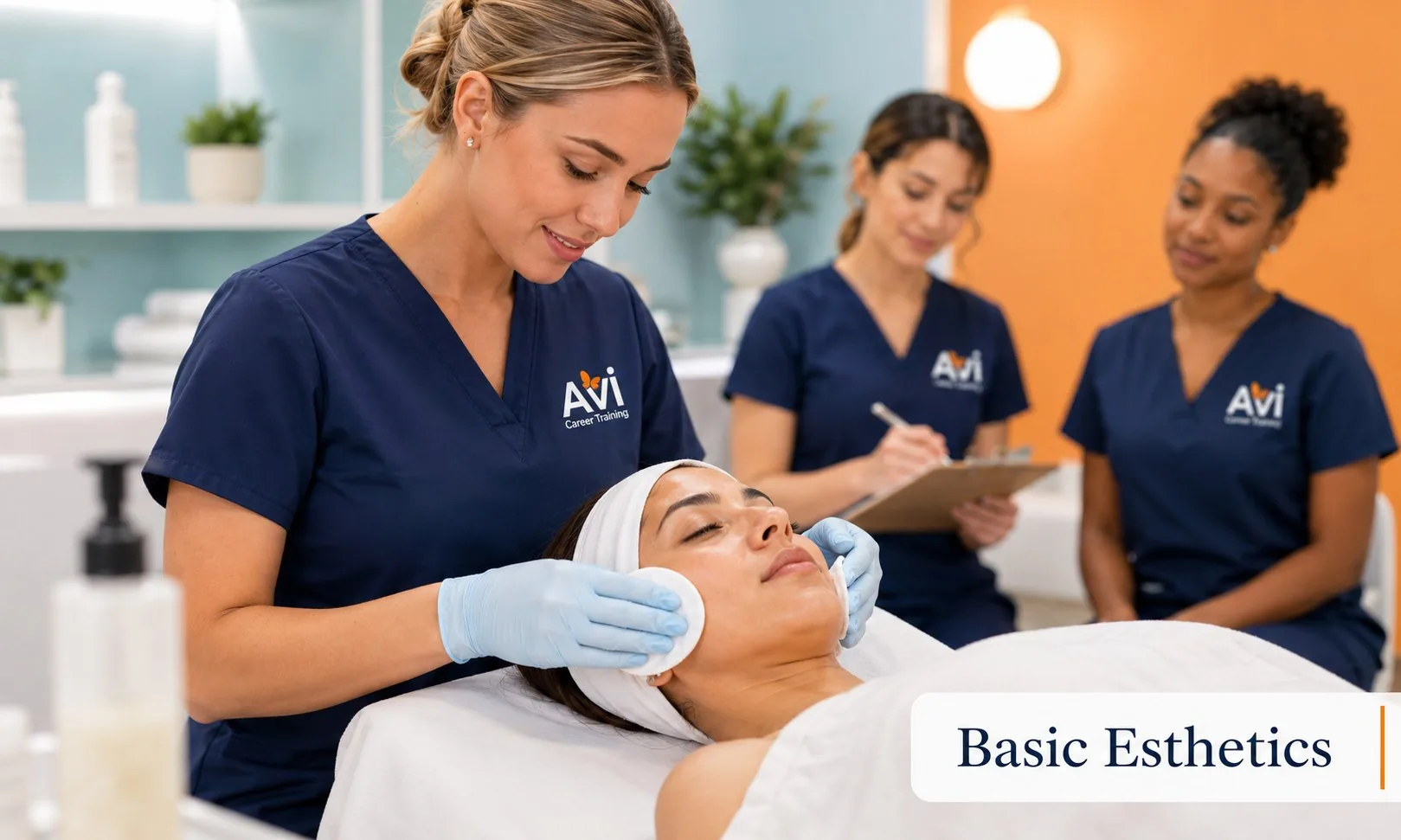
Your training experience should feel like preparation for the real world, not just academic exercise. The best programs create salon-like environments where you practice on actual clients under instructor supervision.
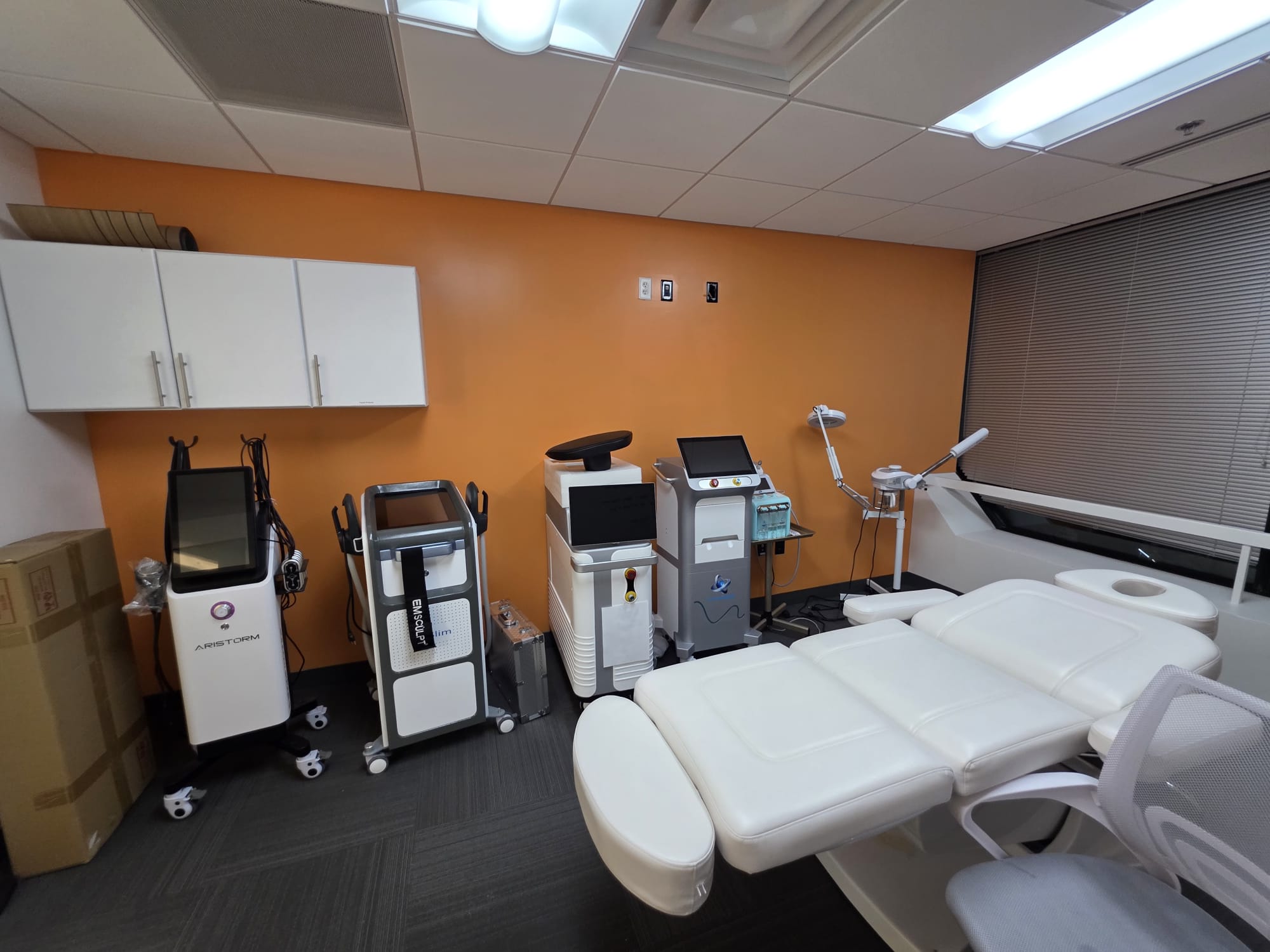
This means working with professional-grade equipment from day one. You should be learning on the same tools you’ll use in your career—professional shears, color processing equipment, and styling tools that salons actually use. Some programs cut costs with outdated or consumer-grade equipment, which doesn’t prepare you for professional expectations.
The progression should feel natural. You start with mannequins to build basic skills, then move to supervised client work as your confidence grows. By the time you graduate, client interaction should feel comfortable, not terrifying.
Virginia’s licensing exam has both written and practical components, and your training should prepare you for both. The written exam covers theory, safety, and regulations—areas where solid classroom instruction is essential. But the practical exam is where hands-on experience becomes critical.
You’ll be evaluated on your ability to perform services safely and effectively under time pressure. This isn’t something you can cram for. It requires muscle memory and confidence that only comes from repetitive practice with real clients.
Programs that emphasize practical training from early in the curriculum give students a significant advantage. When you’ve performed hundreds of services under supervision, the state board exam feels like just another day at school rather than a high-stakes performance.
The exam covers all major service areas: hair services, skin care, and nail care. You need to demonstrate competency across the board, not just in your preferred specialization. This is why comprehensive programs that don’t let you skip areas you find less interesting serve you better in the long run.
Your instructors should also be familiar with current exam formats and requirements. Virginia recently changed exam providers, and programs that stay current with these changes help students avoid unnecessary stress and preparation gaps.
Cosmetology opens doors to more career paths than most people realize. Yes, many graduates work as salon stylists, but that’s just the beginning. You might specialize in color services, work in high-end spas, or eventually open your own business.
The beauty industry in Virginia is projected to grow 17% through 2030, with approximately 2,520 new positions annually. This growth reflects increasing demand for personal care services and the industry’s resilience during economic changes.
Your earning potential depends on several factors: location, specialization, and clientele development. New graduates typically start around $25,000-$30,000 annually, but experienced professionals in prime locations can earn significantly more. Building a loyal client base is key—many successful cosmetologists earn substantial income from tips and repeat business.
Some graduates pursue advanced training in specialized areas like corrective color, extensions, or advanced cutting techniques. Others move into education, becoming instructors themselves. The flexibility of cosmetology licensing means you can adapt your career as your interests and life circumstances change.
Don’t overlook entrepreneurship opportunities. Many cosmetologists eventually open their own salons or work as independent contractors. Your training should include basic business concepts to prepare you for these possibilities.
Your choice of cosmetology program will influence your entire career trajectory. Look for established programs with strong industry connections, comprehensive hands-on training, and instructors who’ve succeeded in the field themselves.
Consider practical factors too: class schedules that work with your life, financial aid options, and job placement support. The right program should feel like an investment in your future, not just a requirement to check off.
The beauty industry rewards skill, creativity, and professionalism. With proper training and dedication, you can build a rewarding career that offers both creative fulfillment and financial stability. If you’re ready to take the next step, we invite you to learn more about our comprehensive cosmetology program and how we can help you achieve your professional goals.