Summary:
Clinical Foundation From Cosmetology Training
Medical aesthetics requires understanding what’s happening beneath the surface of skin—not just what you can see. A comprehensive cosmetology program teaches you skin anatomy, how different layers respond to treatments, and why certain approaches work for specific conditions while others don’t.
This isn’t the superficial beauty knowledge some people assume. You’re learning the same foundational science that medical estheticians use daily. The difference is what you do with that knowledge after you graduate. Some people stop at traditional facials. Others use it as a springboard into clinical skincare, where the work is more intensive and the results more dramatic.
In Fairfax County, where medical spas and dermatology practices are actively hiring, employers value candidates who already speak this language. You’re not starting from zero when you walk into a clinical interview with cosmetology training behind you.
Skin Analysis Skills That Transfer to Clinical Settings
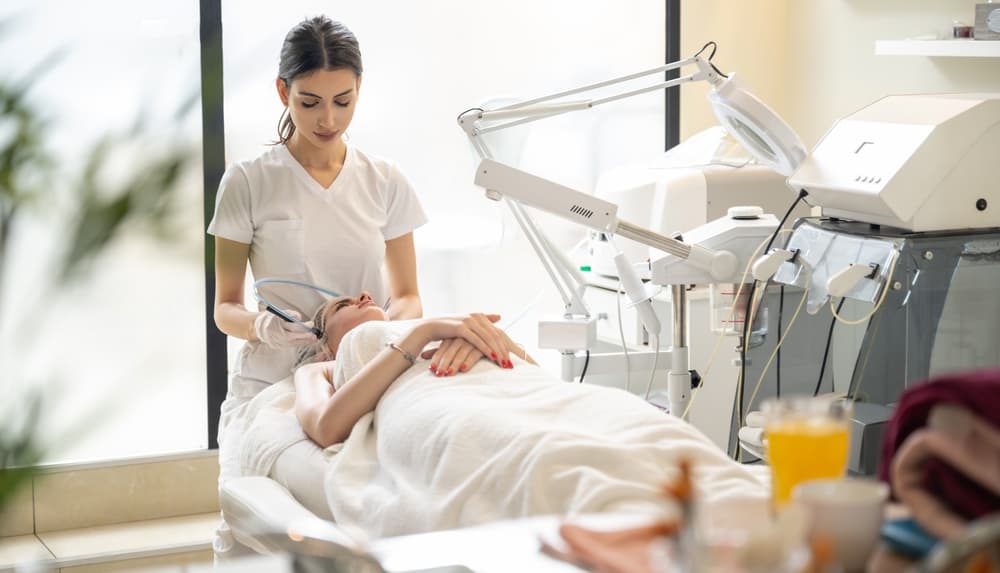
Every facial you perform during cosmetology training teaches you to read skin. You learn to identify dehydration, recognize inflammation, spot congestion before it becomes visible breakouts. You understand how hormones, stress, and lifestyle show up in someone’s complexion.
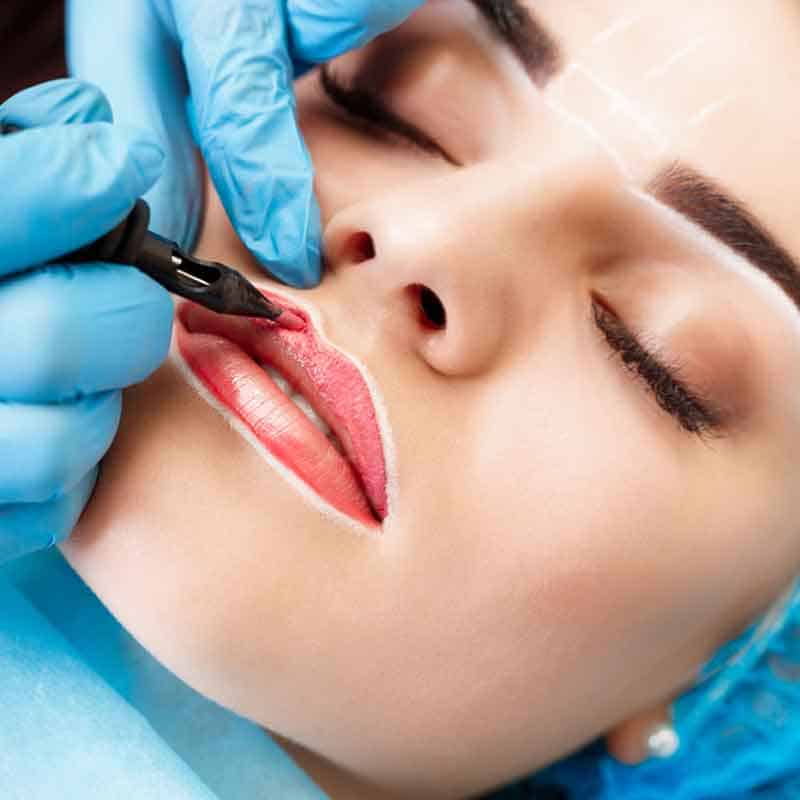
In medical aesthetics, this diagnostic skill becomes your daily work. Clients don’t come to medical spas for relaxation facials—they come with specific problems. Melasma that won’t respond to over-the-counter products. Acne scarring from years of breakouts. Sun damage that’s aging them faster than they’d like. Post-surgical skin that needs careful, knowledgeable treatment.
Your ability to assess these concerns accurately, understand what’s causing them, and recommend appropriate treatments makes you valuable to physicians and nurse practitioners who supervise medical spa treatments. They need team members who can think critically about skin, not just follow protocols.
The hands-on experience you get in cosmetology school matters enormously here. You’re not just memorizing skin types from a textbook—you’re actually working on diverse clients, seeing how different skin responds to various treatments, developing the tactile sense that tells you when something feels off. That sensory education is irreplaceable.
Northern Virginia’s diverse population means you’ll work with every skin type and concern imaginable. The broad exposure you get during cosmetology training prepares you for this diversity better than narrower esthetics-only programs that might focus on limited treatment modalities.
What surprises many graduates is how quickly this knowledge becomes second nature. You stop thinking about each step of analysis and start seeing patterns instinctively. That clinical intuition—knowing when to proceed with a treatment and when to refer to a physician—develops through repeated practice during your training.

Safety Protocols Required in Medical Aesthetics
Medical spas operate under stricter oversight than traditional salons, and for good reason. The treatments are more aggressive, the potential for complications higher, and the legal requirements more demanding. Your cosmetology training introduces you to the safety mindset these environments require.
From day one, you learn proper sanitation, sterilization techniques, and infection control. You understand bloodborne pathogens and cross-contamination risks. You practice equipment cleaning, workspace organization, and the documentation that protects both clients and practitioners. These aren’t optional skills—they’re the foundation of everything you’ll do in clinical skincare.
When Virginia medical spas hire, they’re looking for people who already understand these principles. They don’t want to start with the basics of why single-use items matter or how to properly clean treatment rooms. They need professionals who’ve internalized these protocols and will maintain standards consistently, even during busy shifts.
The attention to detail you develop around safety also prepares you for working under physician supervision, which Virginia law requires for certain treatments like laser hair removal. Physicians trust cosmetology-trained professionals because they know you understand clinical standards, not just beauty techniques.
This foundation also makes pursuing additional certifications more straightforward. When you’re ready to add laser technician training or advanced chemical peel protocols to your resume, you’re building on established safety knowledge rather than learning everything simultaneously. That makes the transition to advanced aesthetics less overwhelming and more achievable.
Think about the liability involved in medical aesthetics. One mistake with laser settings can cause burns. Improper chemical peel application can lead to scarring. Poor sanitation can result in infections. The safety consciousness you develop in cosmetology school isn’t just about following rules—it’s about protecting people and building a career you can sustain long-term without legal or ethical problems.
Client Communication in Medical Spa Environments
Technical skill only gets you halfway in medical aesthetics. The other half is connecting with clients who are often self-conscious, sometimes skeptical, and always hoping you understand what they’re experiencing. Cosmetology training develops these soft skills in ways that purely technical programs don’t.
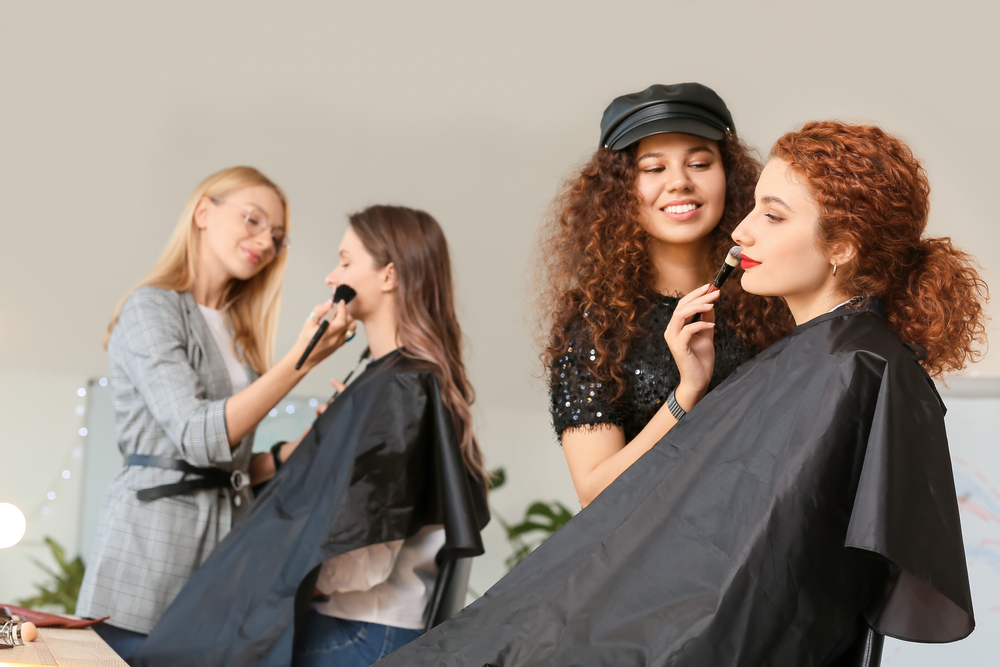
You learn to conduct consultations that actually listen to what clients are saying—and what they’re not saying. You practice explaining treatments without jargon, managing expectations honestly, and building trust through consistent, caring communication. In medical spas, where clients are investing significantly in treatments and sometimes feeling vulnerable about their concerns, these abilities matter enormously.
The consultation skills you practice with every client in beauty school become the foundation for clinical intake processes. You’re already comfortable asking about medical history, medications, lifestyle factors, and specific goals—exactly what medical aesthetics requires.
Managing Expectations for Clinical Skincare Results
Here’s where medical aesthetics gets tricky. Clients see before-and-after photos on social media and expect similar transformations. Your job is guiding them toward realistic outcomes while keeping them motivated and engaged with the process. This requires honesty, empathy, and communication skills that cosmetology training specifically develops.
Every consultation you conduct during beauty school teaches you to balance optimism with realism. You learn to explain what’s achievable, what will take time, and when someone’s expectations might not align with what treatments can deliver. This honest communication builds trust—and in medical aesthetics, trust determines whether clients complete treatment series or give up after one session.
Clinical treatments often require multiple sessions over months. Laser resurfacing doesn’t deliver perfect skin overnight. Chemical peel series work progressively. Clients need to understand the timeline, the healing process, and what realistic improvement looks like for their specific concerns. Your ability to set these expectations clearly prevents disappointment and builds lasting client relationships.
The documentation habits you develop in cosmetology school also prepare you for medical settings. Every treatment requires detailed notes about products used, settings applied, client responses, and any concerns or reactions. This isn’t just good practice—it’s legal protection and medical necessity. You’re already comfortable with this level of record-keeping because it’s been part of your training from the beginning.
You also learn to recognize when a client’s goals aren’t achievable through the treatments you can provide. Sometimes the best service is honest guidance about limitations, or referrals to other providers who can help. That integrity matters in medical aesthetics, where overpromising can lead to dissatisfied clients, negative reviews, and damaged professional reputation.
Fairfax County’s affluent, educated population means you’re working with clients who research extensively and ask detailed questions. Your ability to explain the science behind treatments, discuss why certain approaches work better than others, and provide evidence-based recommendations sets you apart from practitioners who only know how to perform procedures without understanding the why behind them.
Business Skills That Matter in Medical Aesthetics
Medical spas are businesses, and understanding the business side of beauty gives you advantages that purely clinical training doesn’t provide. Cosmetology programs include business education—retail sales, client retention, appointment management, building a book of business. These skills translate directly to medical aesthetics environments.
In medical spas, you’re often recommending retail products, suggesting treatment packages, or helping clients understand the investment required for their desired results. The sales training you receive in cosmetology school prepares you to have these conversations naturally and ethically, based on genuine client needs rather than just pushing high-ticket services.
You understand how to explain value—why medical-grade skincare might cost more but deliver better results than drugstore alternatives. You know how to follow up with clients between appointments, maintain relationships, and build the loyalty that keeps a practice thriving. These relationship management skills often determine whether clients return for additional treatments or disappear after their initial visit.
Many medical aesthetics positions involve more than just treatment rooms. You might schedule appointments, manage client records, coordinate with physicians, handle intake paperwork, or ensure smooth patient flow during busy periods. If you’ve worked in a salon or spa during cosmetology training, you’ve handled similar logistics and understand the rhythm of a busy practice.
The entrepreneurial mindset many cosmetology students develop also serves you well. Whether you’re building your own client base within an established practice, considering opening your own medical spa eventually, or simply taking ownership of your professional development, that business awareness matters. You understand the economics of treatments, what drives profitability, and how to position yourself as a valuable team member.
Northern Virginia’s competitive medical aesthetics market rewards professionals who understand both clinical excellence and business fundamentals. Employers want people who can deliver great results and also contribute to practice growth through client retention, appropriate service recommendations, and positive reviews that attract new business.
Starting Your Medical Aesthetics Career Path
The medical aesthetics industry is growing rapidly, and the pathway from cosmetology training to clinical skincare careers is more direct than most people realize. Your education in skin science, safety protocols, client communication, and business fundamentals creates exactly the foundation medical spas need.
In Fairfax County, where medical aesthetics opportunities are expanding, comprehensive cosmetology training positions you to pursue roles in dermatology offices, plastic surgery practices, medical spas, and laser treatment centers. The key is choosing a program that emphasizes both technical excellence and the clinical mindset these environments require.
We’ve prepared beauty professionals for diverse career paths since 1985, with programs designed to build the versatile skill set medical aesthetics demands. With industry partnerships throughout Northern Virginia, professional product training, and comprehensive education that goes beyond basic beauty school curriculum, we provide the foundation for wherever your interests lead—whether that’s traditional salon work, clinical skincare, or the growing field where beauty and medicine intersect.