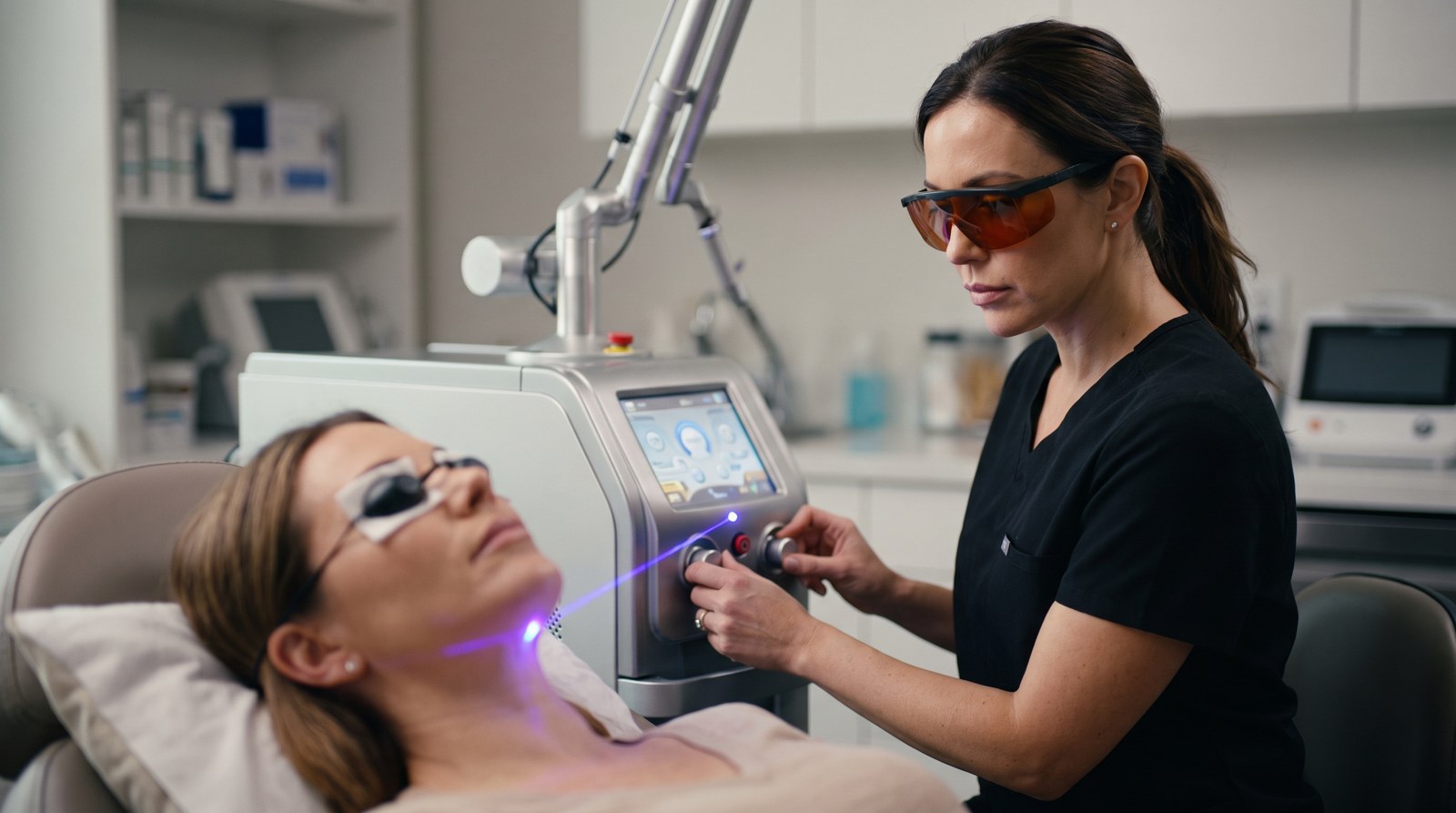
How to Become a Laser Technician (NO FINANCIAL AID FOR THIS PROGRAM) in Virginia
A laser technician career puts you at the intersection of beauty and medical science — performing treatments like laser hair removal, skin rejuvenation, and photofacials for clients who want real, lasting results. In Virginia, getting there requires state-approved training, a licensing exam, and hands-on practice with professional-grade equipment. If you’re considering this path, here’s exactly what the journey looks like — and how to get started in Northern Virginia.
Key Takeaways
– Virginia regulates cosmetic laser technology through the Virginia Board for Barbers and Cosmetology (under DPOR)
– Laser technicians in Virginia earn approximately $38,000–$65,000/year; Northern Virginia/DC metro wages typically run 10–20% above the state average
– Accredited training programs can be completed in months, not years — making this one of the fastest paths into a licensed healthcare-adjacent career
– AVI Career Training’s Cosmetic Laser Technology program is COE-accredited and located in Vienna, VA — the heart of Northern Virginia’s thriving med spa market
– Federal financial aid (FAFSA/Title IV) is NOT available for this program as it does not meet the minimum 600-hour requirement. AVI offers flexible payment plans and private financing options.
What Does a Laser Technician Do?
Laser technicians (NO FINANCIAL AID FOR THIS PROGRAM) use light-based technology to perform a range of cosmetic treatments on the skin. This is a hands-on, client-facing role that blends technical skill with a strong understanding of skin biology, safety protocols, and machine operation.
The most common treatments a laser tech performs include:
- Laser hair removal — the more established service at med spas and standalone laser studios
- Intense Pulsed Light (IPL) photofacials — targeting sun damage, redness, and uneven skin tone
- Skin rejuvenation and resurfacing — using fractional laser technology to improve texture and reduce fine lines
- Tattoo removal — typically performed with Nd:YAG lasers in clinical or specialty settings
- Vascular and pigment treatments — addressing visible vessels, age spots, and hyperpigmentation
It’s worth understanding the distinction between cosmetic laser technology and medical laser work. Cosmetic laser technicians typically work in med spas, esthetics clinics, and dermatology offices performing non-surgical aesthetic services. Medical laser technicians, by contrast, work directly under physician supervision in surgical or clinical settings. In Virginia, the cosmetic side of this career is regulated as a licensed trade — which means there’s a clear, defined pathway to enter it.
This career is a strong fit for people who enjoy working closely with clients, have an interest in skin health, and want a technical skill set that’s established. If that sounds like you, apply to AVI Career Training to learn about upcoming program start dates.
Virginia Licensing Requirements for Laser Technicians (NO FINANCIAL AID FOR THIS PROGRAM)
Virginia is one of the states that takes cosmetic laser regulation seriously — and that’s a good thing for both clients and professionals. The Virginia Department of Professional and Occupational Regulation (DPOR) oversees cosmetic laser technology through the Virginia Board for Barbers and Cosmetology.
To legally perform cosmetic laser treatments in Virginia, you must hold a Laser Technician license issued by the Board. The general licensing pathway looks like this:
Complete an Approved Training Program
Virginia requires candidates to complete a state-approved cosmetology or cosmetic laser technology program from an accredited school. This is not a career you can enter through a weekend workshop or an online-only certification course. The state requires formal clock hours in an approved program — and those hours must be completed at an institution the Board recognizes.
This matters because it protects you and your clients. Laser treatments carry real safety risks — particularly on deeper skin tones — if performed by someone without proper training. A structured, accredited program teaches you not just how to operate equipment, but how to assess skin type, screen clients for contraindications, and respond if something goes wrong.
Pass the Virginia State Board Exam
After completing your program hours, you’ll sit for the Virginia State Board examination. The exam tests your knowledge of laser safety, skin anatomy, equipment operation, and applicable regulations. Your school’s curriculum should prepare you thoroughly for this exam — which is one reason accreditation matters so much when choosing a program.
Supervised Practice Requirements
Virginia’s regulations for laser technicians include supervised practice provisions. Before publishing this article, AVI verifies current DPOR requirements directly — always check Virginia DPOR’s official site for the most current rules, as licensing requirements can be updated by the Board.
Why Accredited Training Is Non-Negotiable
Some students are tempted by short, inexpensive certification courses that promise to teach laser skills in a few days. In Virginia, those courses do not satisfy state licensing requirements. More importantly, they don’t give you the depth of training you need to work safely and confidently across all skin tones and client types. If you want a real laser technician career — not just a certificate on your wall — accredited training is the only path worth taking.
What to Look for in a Laser Technician (NO FINANCIAL AID FOR THIS PROGRAM) Training Program
Not all cosmetic laser technician training programs are created equal. Here’s what to evaluate before you enroll.
Hands-On Clinical Hours
Reading about lase